
Show summary Hide summary
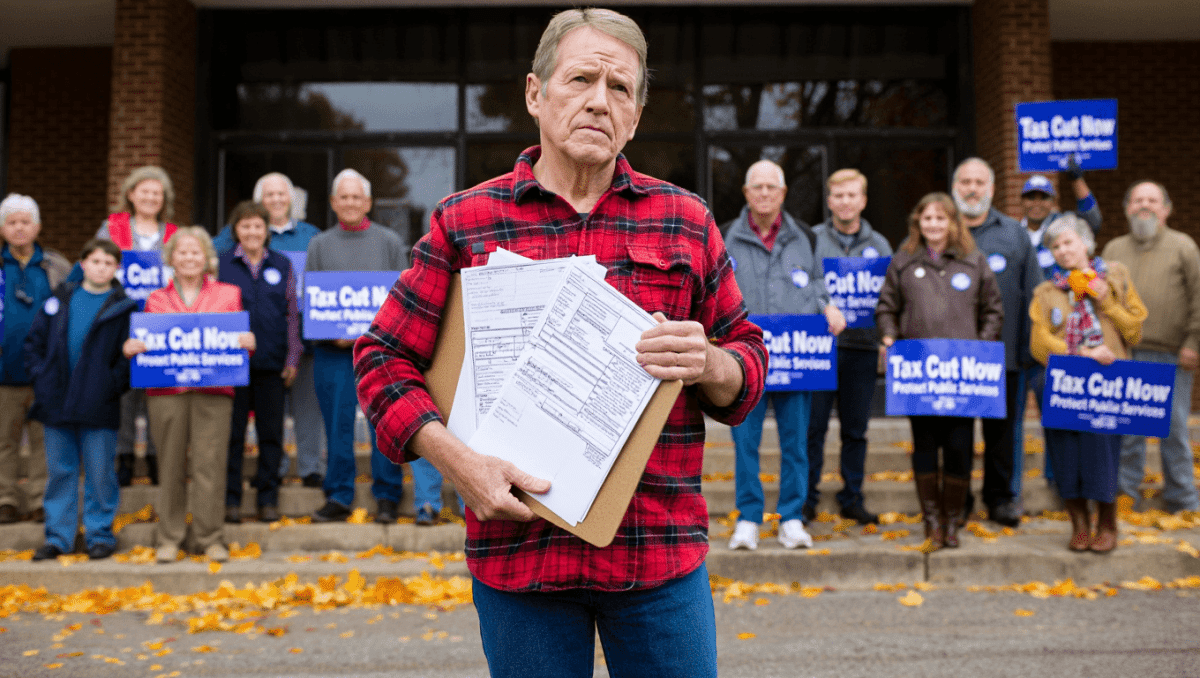
A petition drive to cut Massachusetts’ state income tax has reignited a high-stakes debate over public services, municipal budgets and the state’s fiscal outlook. With organizers pushing to reach the required signature threshold and lawmakers already trading estimates of lost revenue, the proposal’s path to the ballot could reshape the state’s budget conversation before voters reach the polls.
Supporters say the measure would put more money back into residents’ pockets; critics warn it could force spending reductions for schools, public safety and health programs. The next few weeks — when signatures are submitted and reviewed — will determine whether voters get the final say.
What the measure seeks to change
The initiative would modify the way Massachusetts collects income tax, lowering the rate applied to personal income. Proponents argue the change would stimulate consumer spending and ease the tax burden on households and small businesses. Opponents counter that a substantial drop in income-tax receipts would tighten the state’s fiscal room at the same time many public programs face rising costs.
Boxing champions ditch long runs for high-intensity training: new era in fight prep
Czech nationals among victims of Pinedale-area crash: two confirmed dead
- Revenue impact: State and independent budget analysts warn the cut could shrink annual income-tax receipts, creating either immediate budget pressure or a longer-term drain on reserves.
- Services at risk: Education, public safety, health care payments and local aid are frequently cited as programs most exposed to state revenue declines.
- Who benefits: Backers contend all taxpayers would see lower withholding and higher take-home pay; opponents say higher earners would gain disproportionately unless the measure includes targeted offsets.
- Implementation mechanics: The initiative must clear a signature review and legal certification before appearing on a statewide ballot — a process that can take several months.
Fiscal and legal constraints
Massachusetts, like other states, must balance its books each year. That requirement, paired with a constitutionally permitted budget framework and existing reserve funds, shapes how the state could respond if revenues fall.
Possible responses include tapping the rainy-day fund, delaying or scaling back new spending, or shifting costs to cities and towns through changes in local aid. Each choice carries political consequences and operational challenges, and the timing of any shortfall would affect which options are realistic.
How the process unfolds
The initiative route in Massachusetts requires organizers to gather a large number of valid signatures and submit them for verification. Following certification by state officials, the proposal would be assigned to a ballot for the next statewide election unless legal challenges or legislative action intervene.
This period is also when interest groups typically mobilize funding for or against the measure. Expect business associations, municipal leagues and public-sector unions to play prominent roles in shaping public opinion and funding advertising campaigns.
Political implications
Beyond the immediate budget arithmetic, a high-profile tax initiative can influence legislative priorities and election messaging. Lawmakers might preemptively propose alternative tax or spending measures, and gubernatorial and legislative campaigns could make the issue a central theme.
For voters, the debate is more than about rates: it hinges on choices about the size and role of state government, and on whether tax cuts should be pursued now or deferred until the broader economic picture is clearer.
What to watch next
- Whether organizers meet the signature threshold and the results of the state’s verification process.
- Release of independent fiscal estimates detailing projected revenue losses and timing.
- Early endorsements and campaign spending filings from major interest groups and political committees.
- Any legal challenges that could delay or reshape the language before it reaches voters.
As the signature drive advances, the concrete numbers from nonpartisan analysts will be decisive: they will clarify trade-offs for taxpayers, municipalities and the state budget. Until then, the initiative remains both a policy proposal and a political test of how Massachusetts balances tax relief against public services.