Show summary Hide summary
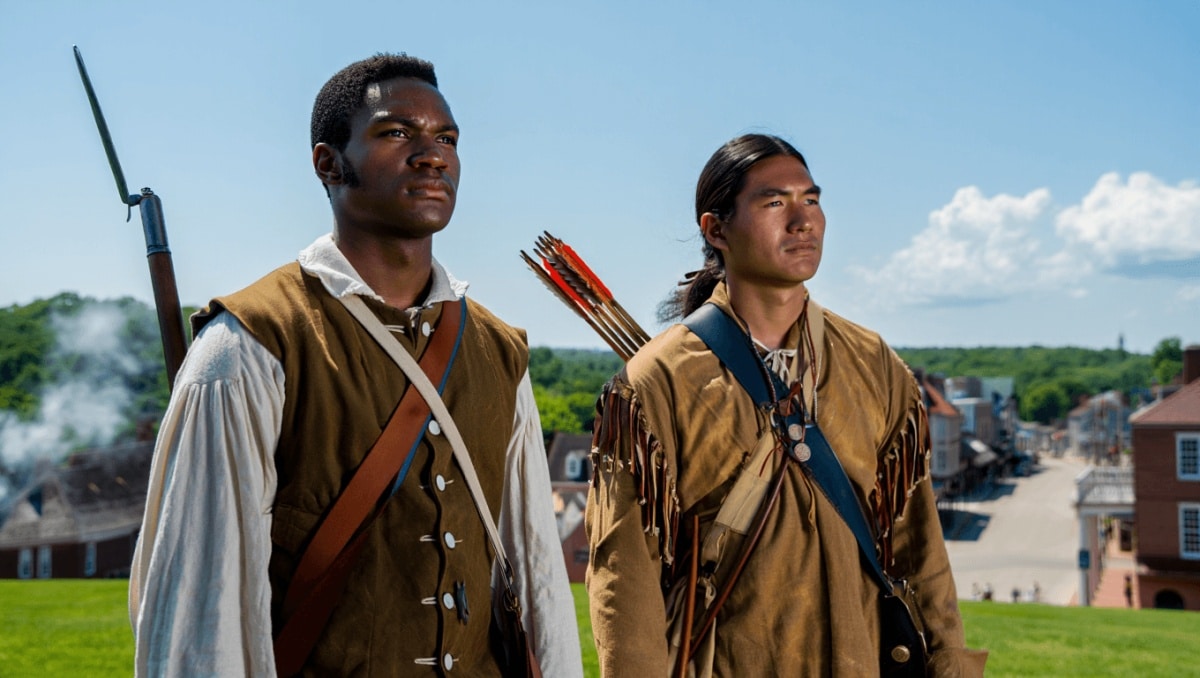
As communities mark the anniversaries of the clashes that launched the American Revolution, a fuller portrait of who fought that spring is emerging — and it matters because it reshapes what we teach about who helped build the nation. New exhibits, grants and local commemorations are bringing attention to Black and Indigenous soldiers whose names were long absent from classroom accounts.
On Lexington Green each April, reenactors and residents gather to remember the first confrontation of April 19, 1775. The crowd’s pageantry now increasingly includes recognition of the diverse men who stood on the colonists’ side — and the complicated stories behind their service.
Expanding the founding narrative
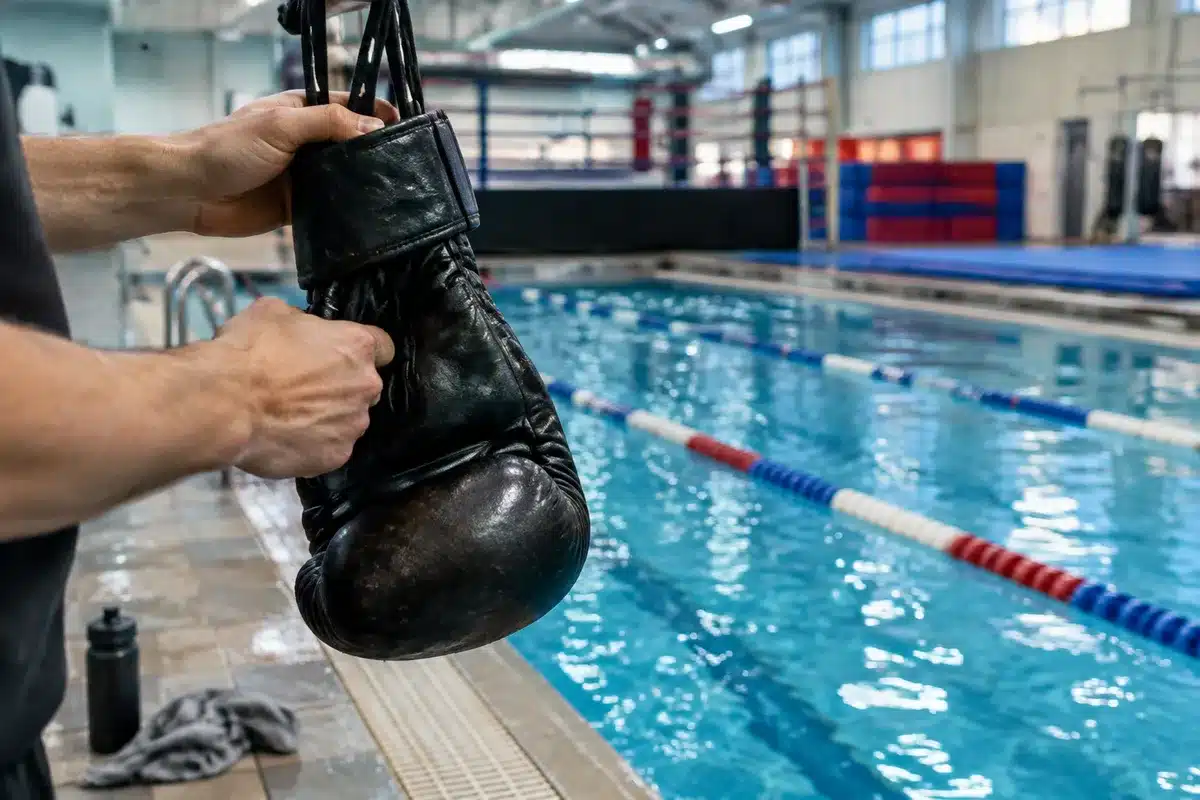
Boxing champions ditch long runs for high-intensity training: new era in fight prep
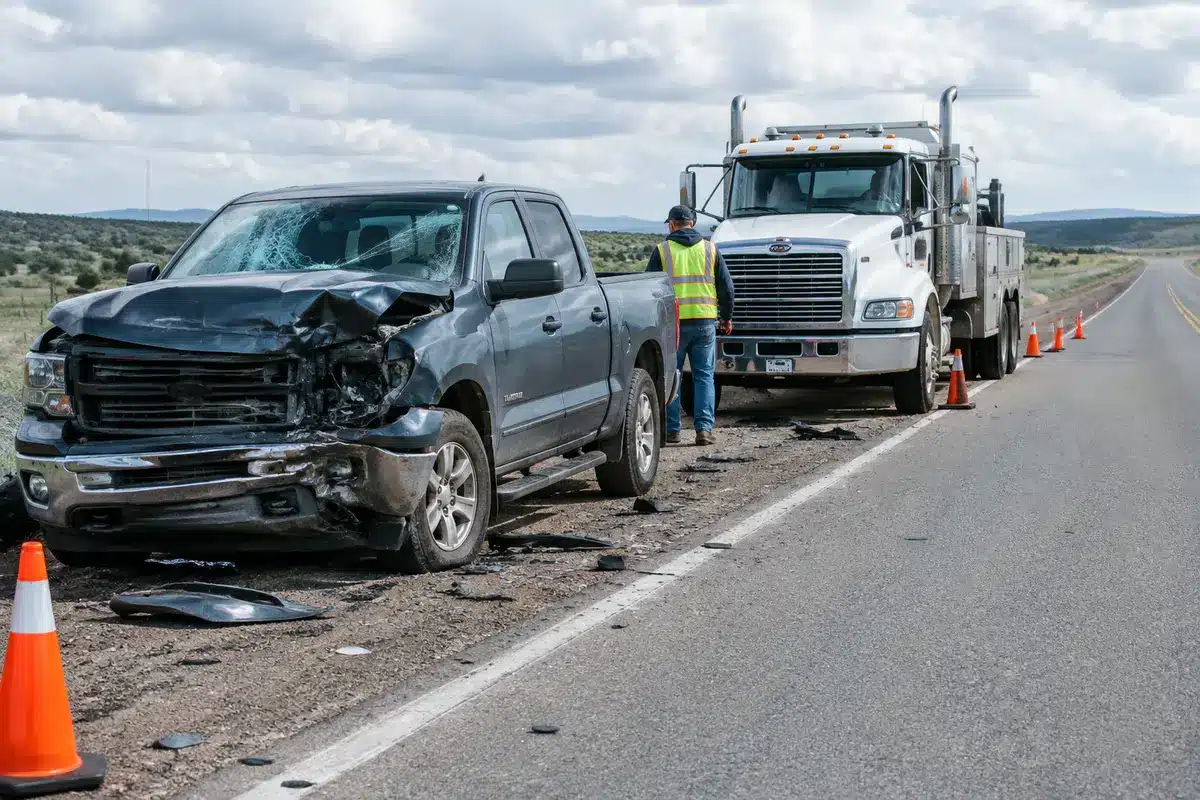
Czech nationals among victims of Pinedale-area crash: two confirmed dead
For generations, museums and textbooks emphasized the familiar faces — Washington, Benjamin Franklin, Paul Revere — leaving many ordinary participants invisible. That is changing as historians and cultural institutions push beyond a simplified origin story to show the wider range of people involved in the Revolution.
Columbia historian Christopher Brown says the older narrative framed the conflict as a tidy moral beginning for the United States. Recent scholarship, he notes, instead highlights a mix of motives and backgrounds: Black and Indigenous soldiers fought in the same battles as white militiamen, and women provided crucial support on the home front.
National Park Service research estimates that by war’s end more than 5,500 patriots of color — Black and Indigenous fighters among them — had served with colonial forces, while many enslaved people escaped and took up arms for the British.
Commemoration on the ground
State and private funding arranged around milestone anniversaries has elevated local projects that tell these overlooked stories. In Massachusetts, grants from the MA250 initiative have supported museum shows and walking trails that foreground the lives of Black residents during the Revolution.
One such project, a new exhibition by American Ancestors in Boston, is due to open this spring and centers on 26 Black and Indigenous individuals who contributed to the revolutionary era. The program highlights lesser-known figures whose actions complicated the lines between freedom, servitude and civic duty.
- Prince Estabrook — An enslaved man wounded at Lexington Green who later served years in the militia and Continental Army.
- Crispus Attucks — A sailor of African and Indigenous descent killed in the 1770 Boston Massacre.
- Salem Poor — Born enslaved, purchased his freedom and fought at Bunker Hill.
- Prince Ames — A Black and Narragansett man from Andover forced to serve in place of his enslaver.
- Paul Cuffe — A Black and Wampanoag merchant who challenged taxation without representation.
What Prince Estabrook’s story tells us
Records on Prince Estabrook are limited, but local and federal archives indicate he was probably born near Lexington around 1740 and came into Benjamin Estabrook’s household as an enslaved person. He served under Colonel John Parker during the confrontation on April 19, when a musket ball struck his left shoulder.
Estabrook recovered, continued to serve in militia duty and the Continental Army for several years, and after the war was recorded in 1790 tax documents as a “non-white freeman” on Benjamin Estabrook’s payroll. Family accounts place his death around 1830 and his burial in Ashby, Massachusetts.
For reenactors such as Charlie Price — a 95-year-old Black veteran who spent decades portraying Estabrook — the goal is simple: keep the memory alive so it does not vanish again.
History under pressure
Efforts to broaden the story of the Revolution have not been without resistance. Federal actions in past years led to the removal or revision of some museum content about slavery, the Civil Rights Movement and the treatment of Indigenous people, prompting renewed debate over how national history is presented.
Scholars caution that excluding the contributions of people of color has present-day consequences. Roger Davidson Jr., a historian at Bowie State University, argues that recognition of historical participation affects whether communities are seen as full partners in the nation’s story — a perception that can influence contemporary social and political inclusion.
Descendants who have traced family ties to Revolutionary fighters express pride in the discoveries. Jason Roomes, who learned in adulthood that three men from his lineage fought for the colonial side, said the revelations affirmed his family’s place in the nation’s founding.
Why this matters now
As institutions stage new exhibits and towns hold commemorations, revisiting these stories reframes what civic memory celebrates. It also broadens who is visible in the narratives taught to new generations — and who is invited into conversations about citizenship and belonging.
Keeping these accounts in public view, advocates say, helps ensure the Revolution’s legacy includes both its ideals and its contradictions.