Show summary Hide summary
Pilates has quietly reshaped itself from a niche rehabilitation method into a cultural shorthand — and that shift is being debated online. What started as a workout conversation has morphed into a gendered stereotype that now affects how people talk about bodies, dating and fitness culture.
The current buzz centers less on the exercises and more on the image tied to them: the so‑called “Pilates” woman. Social posts, reality TV clips and influencers have amplified the idea, turning a centuries‑old discipline into a symbol loaded with social meaning.
How a workout became a social label
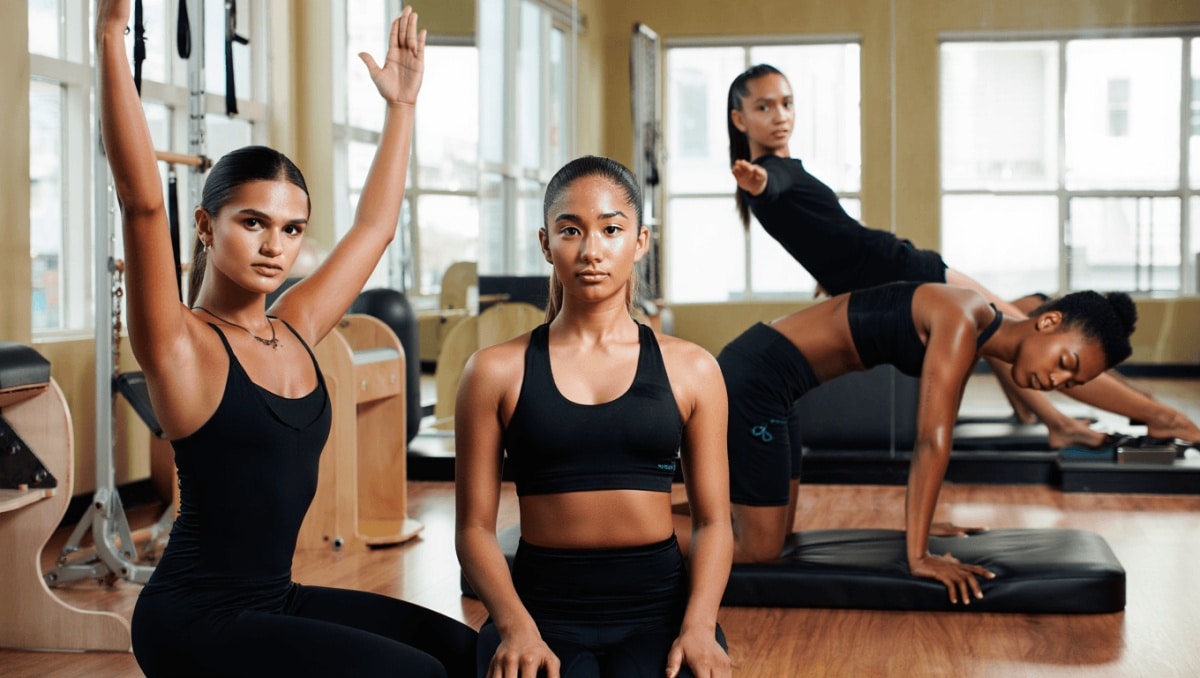
Over the past decade, boutique studios and hybrid classes — some billed as Pilates but borrowing from lagree and body‑sculpt formats — helped push these workouts into mainstream fitness. With branded apparel, early‑morning classes and aspirational imagery, a particular look and lifestyle emerged and began circulating on social platforms.
Boxing champions ditch long runs for high-intensity training: new era in fight prep
Czech nationals among victims of Pinedale-area crash: two confirmed dead
That visual shorthand has been picked up and repurposed across different corners of the internet. Clips from dating shows and viral influencer videos have linked Pilates attendance to desirability, energizing conversations about who fits the mold and why.
Where the stereotype comes from
Researchers who study online masculinities say the label is often rooted in communities that promote narrow ideals of women. Mariel Barnes, a public affairs scholar who has tracked these groups, notes that certain forums have long circulated an “ideal” profile of a partner — slim, low‑drama, and visibly invested in self‑care as curated by social media.
When that profile gets mapped onto a fitness routine, words like Pilates girl act as a shorthand for larger expectations. Barnes adds that the language often starts in niche message boards and then filters into mainstream channels, where its origins go unnoticed by many users.
Studio life tells a different story
Inside studios, the picture is messier and more varied than the stereotype suggests. Jessica Starr, who runs a combined yoga and Pilates studio in Cincinnati, says men attend classes, but women still make up most participants. Yet those women don’t fit a single mold.
“You’ll see a wide range: someone in a full designer set rushing to pick up kids, and next to them a grad student or a trans person wearing simple shorts,” Starr explains. For many instructors, the appeal of Pilates is its adaptability — the same sequence can be scaled for injury recovery, prenatal care or advanced athletic training.
Why this matters now
- Cultural coding: Fitness choices are being used as proxies for personality and moral judgment, which can stigmatize people based on appearance or workout preferences.
- Influence on behavior: Public narratives — from viral clips to podcast episodes — can shape dating expectations and social norms in subtle ways.
- Studio impact: Increased attention may bring more customers, but also more scrutiny and simplified assumptions about who attends classes.
- Public health angle: When fitness is reduced to an aesthetic stereotype, the therapeutic and rehabilitative benefits of the practice risk being overshadowed.
Stereotype versus reality
| Common stereotype | What many instructors and regulars report |
|---|---|
| Practiced exclusively by young, thin women in designer activewear | Participants vary widely in age, body type and clothing — classes are modified for needs and goals |
| Primarily a cosmetic workout focused on being slim | Emphasizes posture, core strength, flexibility and injury prevention as much as aesthetics |
| Signals a particular relationship‑ready personality | Attendance reflects diverse motivations: recovery, sport cross‑training, stress relief, or community |
Longtime teachers point out that the format’s adaptability — from mat work to reformer sessions — is one reason it has persisted and evolved. Some studios that expanded during the boutique boom have since specialized, while others folded when trends shifted.
Voices inside the community
Some Pilates advocates worry that the social narrative distracts from real benefits. “People are quicker to comment on someone’s outfit than on the fact that Pilates helped their posture or eased back pain,” one trainer told researchers. Instructors say they want attention to focus on outcomes rather than aesthetics.
Others see an opportunity: higher visibility can introduce newcomers to a practice that is low‑impact and modifiable. The hope among many teachers is that those who stick with Pilates will be attracted by its substance, not its social cachet.
For readers wondering whether this matters to them: the current conversation about a so‑called “Pilates girl” is less about exercise technique and more about how fitness has become entangled with identity online. That makes it worth watching, whether you teach, practice or simply scroll past a fitness clip on your feed.