Show summary Hide summary
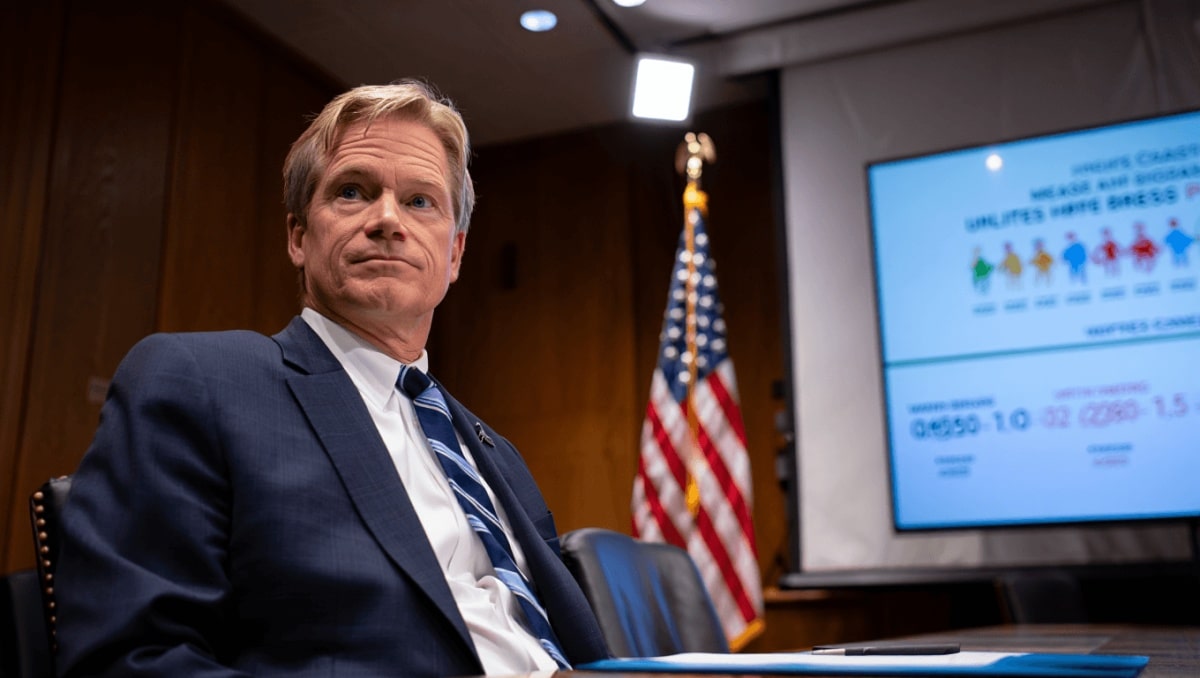
Health Secretary Robert F. Kennedy Jr. told lawmakers that, under his leadership, the United States is limiting the spread of measles more effectively than any other nation. His comments came as he defended a proposed cut of more than 12% to his department’s budget — a claim that clashes with public-health trends showing falling immunization rates and a rise in cases.
Measles is again a growing global problem, and the U.S. is not immune. Federal data show the nation’s coverage with the measles-mumps-rubella (MMR) vaccine has slipped in recent years, while reported infections are climbing — a combination that experts say increases the risk of outbreaks.
How the claim compares with the data
Kennedy’s assertion that the United States is doing better than every other country oversimplifies a shifting picture. Measles outbreaks have been reported across multiple regions worldwide, and some countries have experienced larger surges in recent seasons than the U.S. has.
Boxing champions ditch long runs for high-intensity training: new era in fight prep
Czech nationals among victims of Pinedale-area crash: two confirmed dead
Domestically, the decline in vaccination rates is the clearest signal that control over the virus is weakening. The Centers for Disease Control and Prevention reported MMR coverage among school-aged children fell from about 95.2% in the 2019–20 school year to roughly 92.5% in 2024–25 — below the level public-health authorities generally associate with reliable population protection.
That benchmark, often called herd immunity, is commonly cited at about 95% for measles because the virus spreads extremely easily. When coverage drops below that threshold, outbreaks become more likely and can spread quickly through communities with gaps in protection.
So far in 2026, reported U.S. case counts are tracking higher than last year’s totals, and public-health officials warn the country could lose its long-held elimination status if transmission is sustained over time.
Why this matters to readers now
- Measles is highly contagious and can be severe, especially for infants, pregnant people and immunocompromised individuals.
- Reduced MMR coverage raises the chance of local outbreaks, particularly in places where vaccination rates are below the recommended level.
- Efforts to shrink public-health budgets can affect surveillance, outbreak response and vaccine outreach at a time when cases are rising.
Public-health leaders have also criticized the administration’s public messaging, saying stronger, clearer advocacy for vaccination is necessary. Rather than pushing expanded immunization campaigns, critics note, the response so far has not prioritized rapidly raising community coverage.
For most people, the practical steps remain straightforward: confirm vaccination records, speak with a health provider about catch-up MMR doses if needed, and be alert to local health advisories during outbreaks. Clinics and local health departments can provide the most current guidance for communities experiencing increased transmission.
Bottom line: while measles continues to circulate internationally, the United States’ situation is deteriorating in key ways. Falling vaccine coverage and rising case counts undercut the claim that the country is the global leader in limiting measles — and they increase the stakes of policy choices about funding and public-health messaging now.