Show summary Hide summary
A federal judge in Wisconsin this week handed down a prison term to a former U.S. resident who secretly funneled hundreds of thousands of dollars into American political races after acquiring foreign citizenship. The case highlights how authorities are policing campaign-finance rules that bar non‑U.S. citizens from contributing to U.S. elections.
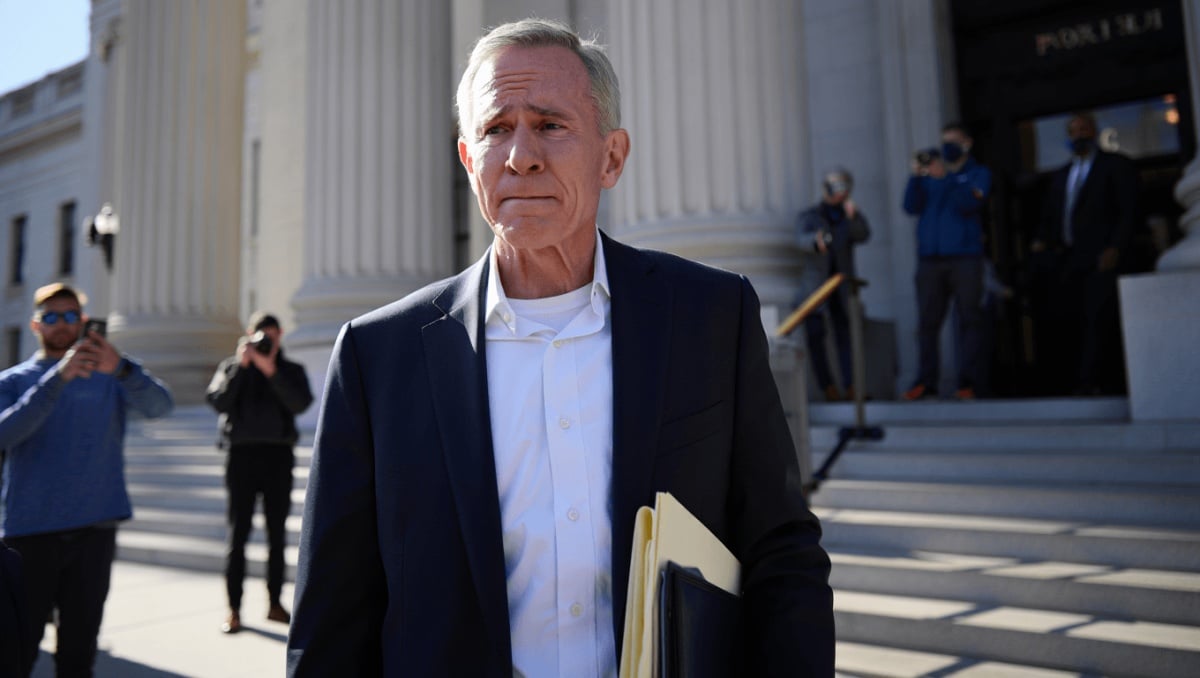
U.S. District Judge James Peterson sentenced 70‑year‑old Roger Hoffman to 20 months behind bars and ordered a $150,000 fine after prosecutors said Hoffman routed large donations through an intermediary to skirt legal limits.
Key facts at a glance
Boxing champions ditch long runs for high-intensity training: new era in fight prep
Czech nationals among victims of Pinedale-area crash: two confirmed dead
- Defendant: Roger Hoffman, a self‑employed investor formerly of Madison, Wisconsin.
- Sentence: 20 months in federal prison and a $150,000 fine.
- Citizenship change: Became a citizen of Saint Kitts and Nevis in January 2009 and renounced U.S. citizenship that July.
- Alleged scheme: More than $400,000 moved into state and federal campaigns over roughly a decade, with prosecutors saying about $345,000 in illegal federal contributions were made between 2010 and 2020.
- Method: Donations were channeled through an assistant identified only as M.W. in court filings.
Court records and the plea agreement show Hoffman admitted to one count of making prohibited campaign contributions, acknowledging that prosecutors could prove the scale of the federal donations. The filings do not list the specific candidates or parties that received the money, and requests for that information were not immediately answered by the U.S. attorney’s office in Madison.
How investigators say the scheme worked
According to the indictment, Hoffman attempted to avoid statutory bans that prevent foreign nationals from giving to U.S. elections by directing funds through a U.S.‑based aide. Prosecutors say most of the disputed sums flowed to federal candidates and committees, although state races also received some transfers.
The judge, presiding at sentencing this week, criticized Hoffman for what the court described as a persistent pattern of deceptive conduct during the investigation and prosecution.
Why this matters
Campaign‑finance statutes prohibit contributions from noncitizens to preserve electoral integrity. Cases like this serve as reminders for campaigns to vet large donations carefully and for donors to understand legal exposure when citizenship changes or residency moves cross borders.
Legal observers say enforcement actions can prompt review of past contributions and increased scrutiny of fundraising practices, especially when intermediaries are used. For political organizations, the fallout can include reputational damage and administrative headaches even when the recipient campaigns did not knowingly accept illegal funds.
Hoffman’s attorney, Mark Maciolek, did not immediately respond to a request for comment. Prosecutors issued a news release summarizing the sentence and the court’s remarks.
With sentencing concluded, court documents indicate the conviction stems from transactions spanning 2010 to 2020; beyond that timeframe the public record does not yet identify recipients or whether any donations will be disgorged or otherwise addressed by authorities.