Show summary Hide summary
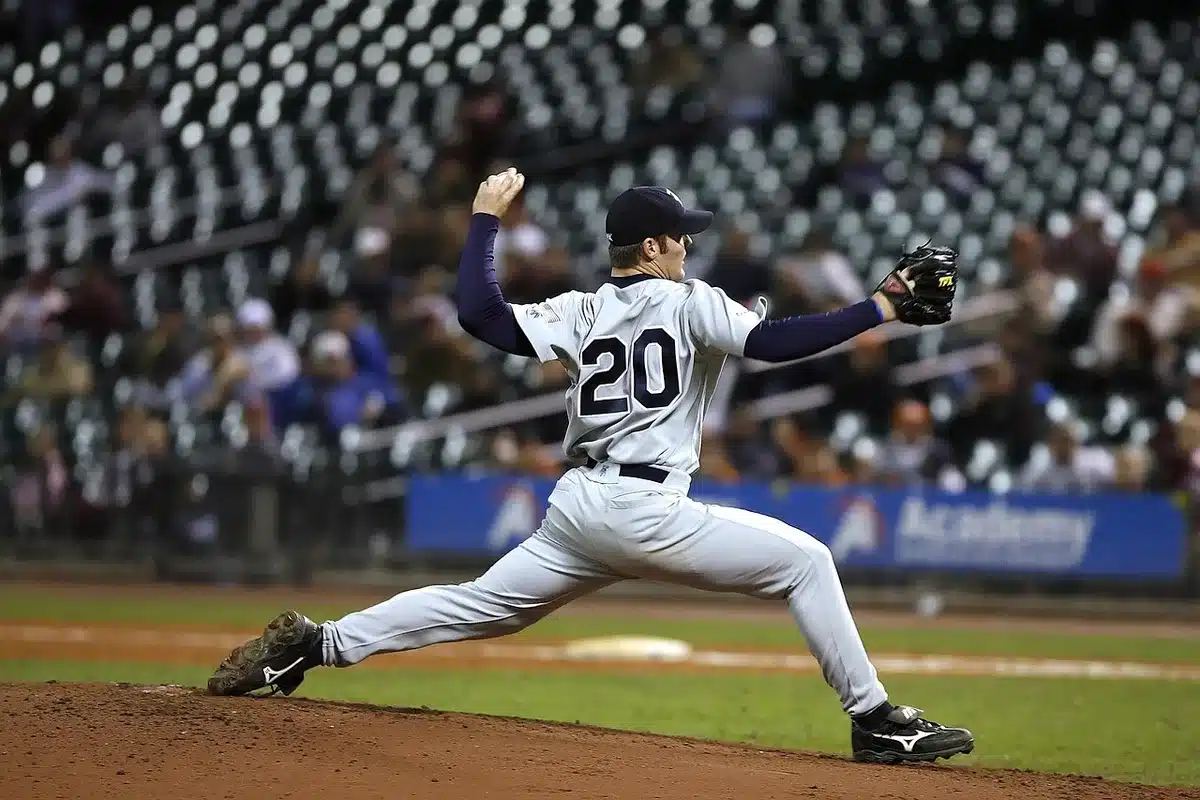
Less than two weeks into the 2026 regular season, four clubs that reached the 2025 playoffs are already occupying the bottom rungs of their divisions — an early stumble that could reshape front-office plans and fan expectations if it persists. With small samples masking longer trends, the immediate worry is whether these slow starts will force roster moves or simply prove temporary.
The most conspicuous case belongs to the American League champion who entered the year with high hopes but now carries a troubling deficit in runs allowed versus runs scored. Injuries and an unsettled pitching staff have combined to turn early optimism into housekeeping headaches.
Blue Jays contend with injuries and a steep run gap
The reigning AL winners are not last in their division but sit with a disconcerting run differential of -22. That gap reflects both offensive droughts and pitching problems made worse by multiple absences from the rotation. Two experienced starters have been unavailable since before Opening Day, while another is progressing through rehab but without a firm timetable for a return.
Boxing champions ditch long runs for high-intensity training: new era in fight prep
Czech nationals among victims of Pinedale-area crash: two confirmed dead
Toronto has also been hit on the position-player side: a catcher suffered a broken thumb on a foul tip, and an outfielder is sidelined with a sprained ankle. Another pitching prospect required knee surgery after a sprain to the ACL. Collectively, those losses have put pressure on the bullpen and forced lineup adjustments earlier than the club likely anticipated.
Who else is underperforming?
Four teams that advanced to last year’s postseason — the Boston Red Sox, Detroit Tigers, Seattle Mariners and Chicago Cubs — find themselves in last place in their respective divisions. The circumstances vary: some clubs are scuffling offensively, others are waiting on injured or underperforming pitchers to regain form.
Because the season has only just begun, standings can reverse quickly. Still, these early holes matter: they can shorten managers’ leashes, accelerate trade-season talk and influence how teams deploy depth pieces in the coming weeks.
| Team | League | 2025 Status | Current trouble spots |
|---|---|---|---|
| Boston Red Sox | AL | 2025 playoff participant | Offensive inconsistency; early losses mounting |
| Detroit Tigers | AL | 2025 playoff participant | Pitching depth concerns |
| Seattle Mariners | AL | 2025 playoff participant | Run production lagging |
| Chicago Cubs | NL | 2025 playoff participant | Slow start on both offense and defense |
| Toronto Blue Jays | AL | 2025 AL champions | -22 run differential; rotation injuries; multiple position players out |
- Rotation returns: Timing of injured starters coming back will be the clearest near-term catalyst for improvement.
- Bullpen usage: Heavy early workloads can create longer-term fatigue — watch relief innings and matchup frequency.
- Offensive bouncebacks: Teams with poor early run totals can recover quickly if key hitters regain form.
- Trade chatter: Front offices may be quicker than usual to consider upgrades if slumps deepen into May.
At this stage, interpreting standings requires caution: sample sizes are tiny and random variance is high. Yet the practical consequence is real — slow starts create pressure. Whether any of these clubs will respond aggressively or ride it out depends on health updates, short-term results and front-office tolerance for risk.