
Show summary Hide summary
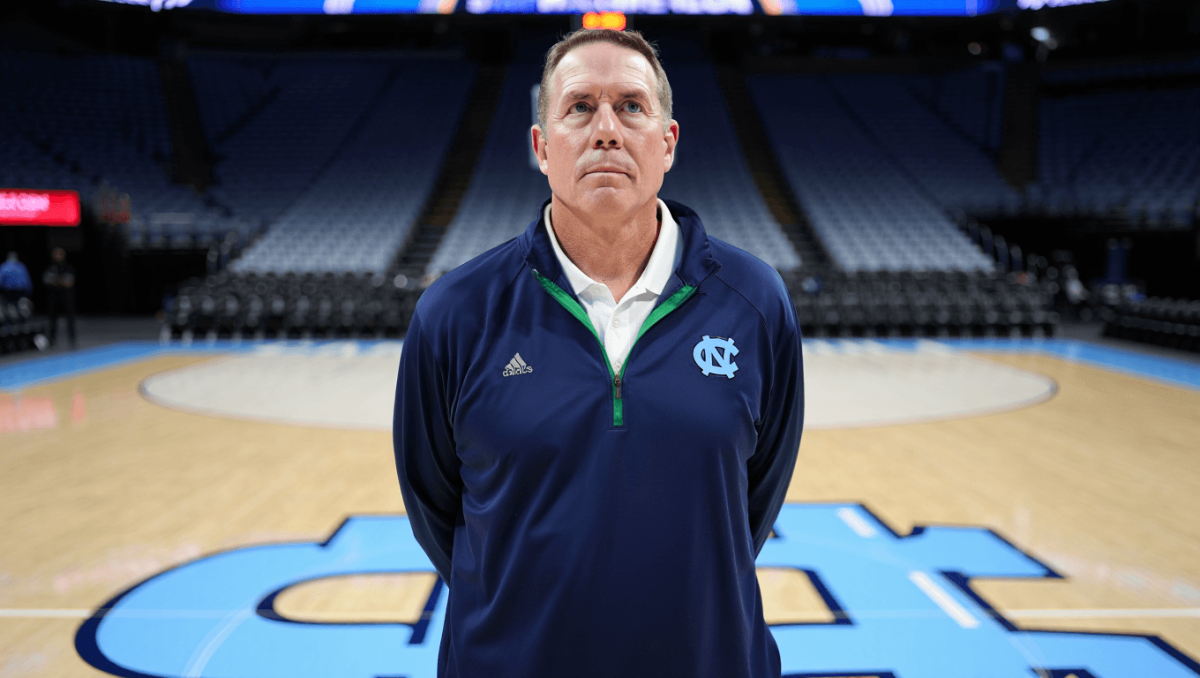
Michael Malone’s arrival at North Carolina is more than a coaching hire — it’s a signal that Chapel Hill has just invested heavily in NBA experience to reset a storied program. The timing matters: with college recruiting and the transfer market moving fast, UNC’s decision could reshape the Tar Heels’ short-term competitiveness and the broader coaching market.
Why Malone landed in Chapel Hill
Malone left the NBA market this offseason with few attractive openings that matched his profile. Rather than take a rebuilding job with long odds, he opted for a high-stakes move back to the college game. North Carolina offered a long-term, lucrative package — estimated at about six years and $50 million — that placed immediate resources behind the hire.
Boxing champions ditch long runs for high-intensity training: new era in fight prep
Czech nationals among victims of Pinedale-area crash: two confirmed dead
This also reflects how other top candidates evaluated their options. Several sought-after coaches decided to remain at their current programs, narrowing UNC’s choices and accelerating the decision to pursue an external, high-profile leader for the first time in more than seven decades.
From NBA title to college campus
Malone arrives with an unusual résumé for a major college hire: more than a decade as an NBA head coach, a championship on his resume, and a reputation for demanding preparation. His last NBA stop ended amid reported friction with front-office leadership, and he spent the most recent season off the bench — a pause that apparently preceded this transition.
That background creates both advantages and questions. On one hand, Malone’s experience running professional-caliber systems and managing elite talent gives him credibility with recruits and staff. On the other, the college environment requires different relationship-building, compliance knowledge and day-to-day recruiting that he hasn’t practiced in two decades.
- Immediate expectations: stabilize the program, compete for top recruits, and restore UNC to national relevance.
- Financial commitment: a top-tier coaching contract that signals institutional urgency.
- Personnel fit: professional-style preparation meets the realities of college player turnover and NIL dynamics.
Coaching style and chemistry
Reports from Malone’s NBA tenure described a meticulous, detail-oriented approach. That intensity can be an asset with college players who respond to structure — but it can also create tension if veteran pros felt constrained. At the collegiate level, the balance shifts: mastering recruiting, navigating the NCAA landscape and building staff alliances may matter more than enforcing NBA-style regimens.
UNC’s athletic department will likely assemble a supporting staff to cover areas where Malone has less recent experience, particularly in-house recruiting networks and compliance. The program’s resources and the transfer portal give him tools, but success hinges on converting those tools into sustained roster quality.
Recruiting, NIL and the Duke factor
For UNC to regain national prominence it must win head-to-head battles for elite prospects — notably against Duke and other blue-blood programs. Malone’s NBA credentials are a recruiting asset: prospects and parents often value a coach who knows how to prepare players for the next level.
NIL realities are central. Malone’s familiarity with paid professional environments may ease conversations with players accustomed to monetization, but college recruiting still calls for different incentives, relationships and timing. How quickly Malone and his staff adapt to those subtleties will shape early results.
Short-term outlook and longer-term questions
Expect intense scrutiny during Malone’s first season. Early performance will be judged on competitiveness, player development and wins in the ACC. By midseason the conversation should shift to tactics and consistency rather than the hire itself — provided the team shows progress.
However, a crucial unknown remains: how long does Malone intend to stay in college basketball? The NBA’s fewer administrative constraints and the lure of a return to the pros are real possibilities a few years down the line. For UNC, that creates both upside and a succession risk: the program gains elite experience now but may face turnover if Malone’s ambitions change.
- What fans should watch this season: early recruiting commitments, transfer portal activity, and how quickly players buy into Malone’s system.
- Benchmarks for success: improved nonconference results, ACC competitiveness, and visible player development toward pro-readiness.
Bringing in a coach with an NBA title and a demanding approach is a clear statement from North Carolina: the program is betting that professional experience can accelerate a return to elite status. Whether that bet pays off will depend on recruitment, staff construction, and whether Malone adapts to the collegiate rhythm — or views Chapel Hill as a stepping stone back to the NBA.