Show summary Hide summary
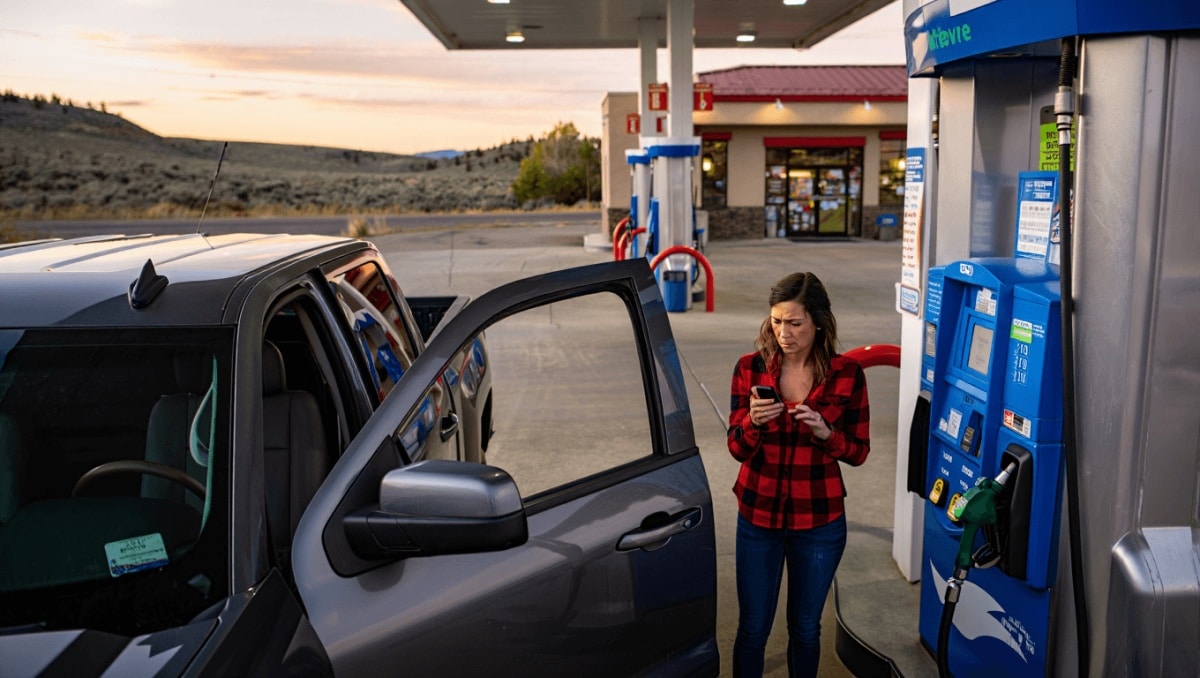
U.S. pump prices slipped back under the $4 mark this week, offering drivers a short-lived reprieve — but growing tensions in the Middle East threaten to push costs higher again. The decline reflects easing supply fears for now, yet traders and analysts warn that recent diplomatic and military developments could quickly reverse the trend.
According to price-tracking firms, the national average for regular gasoline fell to roughly $3.97 per gallon, a drop of about 9.4 cents from last week. Diesel also eased in most markets, but crude oil reacted sharply to new geopolitical headlines, underscoring how exposed fuel costs remain to events overseas.
Where prices stand today
Two major trackers showed slightly different snapshots: GasBuddy reported the national gasoline average below $4, while AAA placed the figure near $4.04. Diesel averaged about $5.50 per gallon according to GasBuddy data, with diesel declines recorded in the majority of states.
Boxing champions ditch long runs for high-intensity training: new era in fight prep
Czech nationals among victims of Pinedale-area crash: two confirmed dead
Local pockets of savings remained visible in Wyoming. Statewide AAA data put Wyoming’s average around $3.84. In Laramie County, the average climbed to $3.72, with the lowest station price at $3.49 at a Pershing Boulevard location and other nearby outlets pricing close behind.
Why prices could jump again
Markets tightened quickly after fresh developments involving Iran and the Strait of Hormuz, a critical chokepoint for global oil shipments. U.S. and Iranian statements, combined with the prospect of military escalation, sent oil futures higher early in the week — a reminder that headlines now move markets more than usual.
Analysts at GasBuddy cautioned that supply risks remain, and prices may rise again if the situation deteriorates. UBS analysts similarly said crude has been largely driven by short-term escalation and de-escalation signals, noting that any collapse in talks or new strikes would push prices back up.
Supply and demand snapshot
The Energy Information Administration’s weekly inventory report showed modest declines in U.S. crude and refined product supplies for the week ending April 10, 2026. Gasoline and distillate stocks fell, refinery utilization dipped, and implied gasoline demand picked up — a mix that can support upward pressure on prices if disruptions persist.
- National gasoline average: about $3.97 per gallon (down ~9.4¢ week-over-week)
- Diesel average: approx. $5.50 per gallon (declines in 46 states)
- Crude oil: WTI landed near $88.83 per barrel after a nearly $5 intraday rise tied to Middle East headlines
- Inventory trends: U.S. crude stocks modestly lower; gasoline and distillates also down versus the prior week
Regional winners and laggards
Price variability across states remains wide. Oklahoma, Kansas and North Dakota rank among the cheapest for gasoline, while California, Hawaii and Washington are the priciest. For diesel, the lowest average costs appear in parts of the Great Plains, while West Coast and island states carry the highest bills.
- Lowest gasoline averages: Oklahoma ~ $3.35, Kansas ~ $3.45, North Dakota ~ $3.54
- Highest gasoline averages: California ~ $5.79, Hawaii ~ $5.64, Washington ~ $5.32
- Notable weekly drops: Texas, Indiana and Ohio saw the biggest declines in pump prices
What drivers should watch this week
Expect volatility. If talks between the U.S. and Iran fail to secure more open shipping lanes through the Strait of Hormuz, energy markets could price in tighter supply quickly. That would lift gasoline and diesel prices in many U.S. regions, particularly where local price cycles amplify national moves.
For now, motorists are seeing some relief at the pump. But the combination of declining inventories, rising demand proxies and political uncertainty means that relief may be temporary — and sensitive to the next round of headlines.