Show summary Hide summary
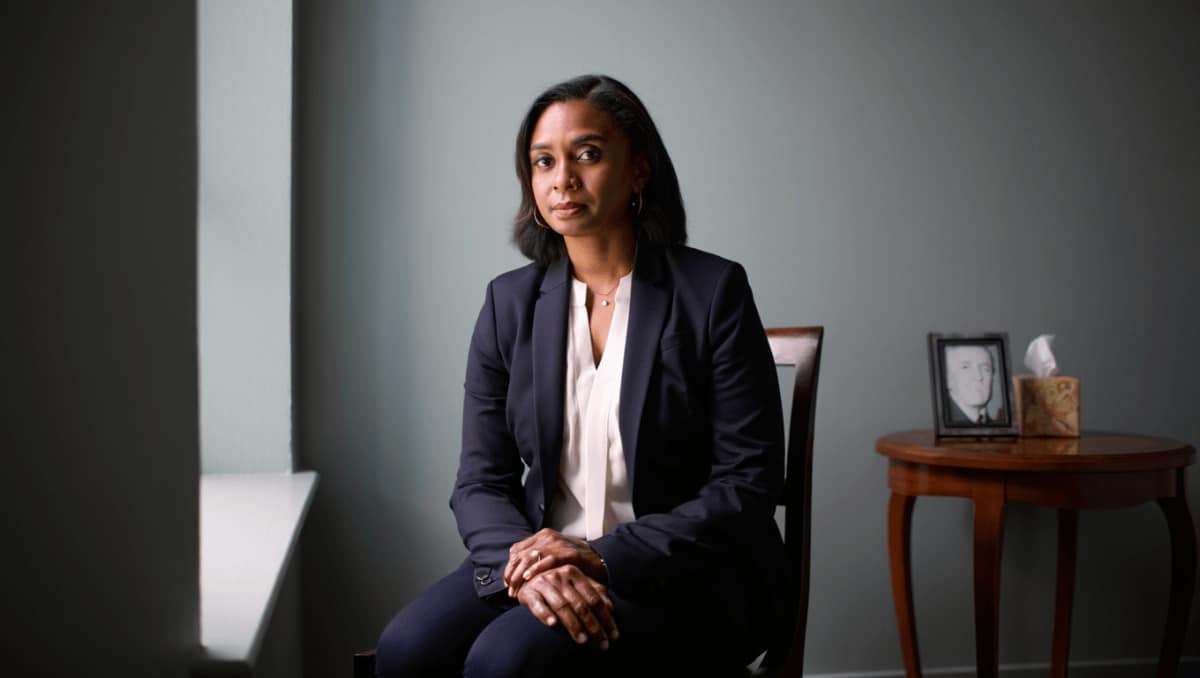
Nearly three years after the implosion of the Titan that killed her husband and son, psychologist Christine Dawood is speaking publicly about how she continues to live with loss. In a new interview she describes the practical rituals, sudden setbacks and private choices that have shaped her grieving process — and why some moments still hit harder than others.
In June 2023, the submersible known as the Titan imploded during an expedition to the Titanic wreck, killing five people, including Dawood’s husband, Shahzada, and their 19‑year‑old son, Suleman. Dawood says the first hours after the vessel vanished felt like an unavoidable, crushing force — a shock she likened to being struck while standing on a precipice.
As a trained psychologist and author of a memoir about the tragedy, Dawood has tried to combine professional knowledge with private coping strategies. She tells of intense panic attacks and long stretches of therapy, but also of small rituals that let her encounter pain on her own terms.
Boxing champions ditch long runs for high-intensity training: new era in fight prep
Czech nationals among victims of Pinedale-area crash: two confirmed dead
“I had to choose how to respond,” she explained. “I couldn’t let the moment swallow me, so I found ways to step aside in my mind — and that saved me.” The comment reflects a practical approach: allow the grief in controlled moments, then put it aside to function each day.
Keeping memory as routine
Dawood keeps both the physical and emotional traces of her family intact. She leaves her son’s room and her husband’s study largely unchanged, saying those preserved spaces help her return to grief when she needs to and to set it aside when she does not.
One of the most visible reminders in her home is the 9,090‑piece LEGO model of the Titanic that Suleman built. Rather than dismantle it, Dawood displays it — a deliberate choice to honour the hours he devoted to the project and the interest that first sparked in childhood.
- Designated moments: Dawood sits in Suleman’s room when she feels overwhelmed, allowing emotions to surface without forcing them.
- Preserved spaces: Leaving personal rooms as they were maintains a physical connection to the lost loved ones.
- Public privacy: She selectively answers routine questions about family to protect herself from repeated pain.
- Therapy and professional help: Intensive psychological support and panic‑attack management have been key parts of her recovery.
Some social interactions still catch her off guard. Simple questions such as “Do you have children?” now require careful wording. Dawood says she often replies, “I have a daughter,” because it reflects her reality while reducing the moment’s emotional weight.
She also described how the knowledge that Shahzada and Suleman’s deaths were sudden and instantaneous has provided a form of comfort. “Knowing they didn’t suffer matters,” she told the interviewer. That detail, she said, has helped make the loss bearable in a way that might otherwise have been impossible.
Different losses, different timelines
Dawood stresses that grief does not move in a single direction. She has found herself mourning her son more openly for longer, while processing the loss of her husband has come in a different rhythm. Public appearances and private sorrow coexist — but they do not follow the same pattern.
Professionals who work with bereaved families say this variability is common: grief is a process, not a fixed schedule, and it can resurface in new forms years after a loss. That ongoing nature is part of why Dawood has focused on structures that let her live and remember at once.
Her account also highlights how sudden, highly public tragedies complicate mourning. The attention that follows such events can force private rhythms into the open, requiring deliberate choices about what to reveal and when to step back.
For readers seeking practical takeaways, Dawood’s approach centers on setting boundaries, creating rituals of remembrance, and prioritizing mental‑health care — a blend of preservation and small, repeatable acts that make day‑to‑day life possible again.
“There is no timetable,” she said of bereavement. “It continues for as long as it needs to.” Her story is a reminder that recovery after a public catastrophe can be both intensely private and slow, shaped by routine, memory and the decisions each person makes about how to carry what they’ve lost.