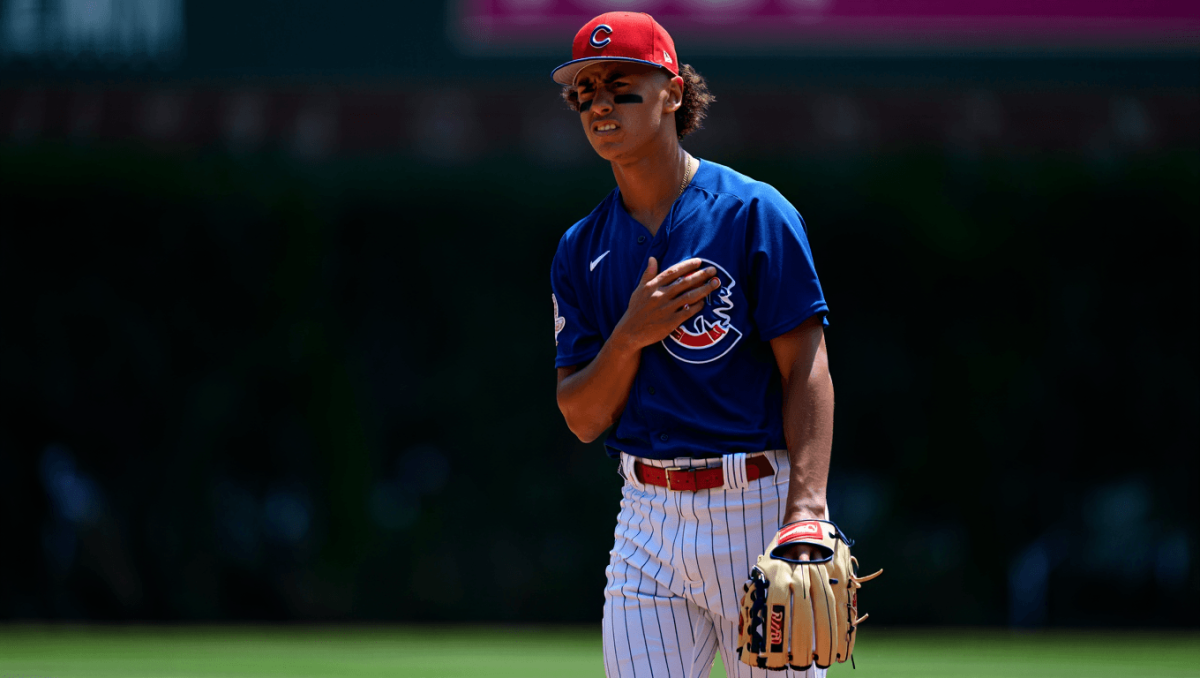
After a breakthrough 2025, the Chicago Cubs have stumbled out of the gate in 2026, with mounting injuries and a sudden offensive slide raising fresh questions about their ability to compete in a crowded National League Central. What looked like a continuation of last year’s momentum now puts immediate pressure on the lineup to deliver while the rotation recovers.
The pitching staff, once a strength, has been hit hard by injuries. Right-hander Jason Steele remains sidelined following Tommy John surgery, and Cade Horton is expected to miss the remainder of the season after undergoing the same procedure. Veteran Matthew Boyd is on the injured list with a biceps strain; the club expects him back soon but is cautious given his injury history.
Despite the setbacks, the rotation still shows depth on paper. Younger arms and the bullpen have been called on more frequently, and the organization appears to have the pieces to avoid a complete collapse. Still, with two season-ending elbow surgeries already confirmed, the margin for error has narrowed considerably.
Boxing champions ditch long runs for high-intensity training: new era in fight prep
Czech nationals among victims of Pinedale-area crash: two confirmed dead
Offense is the bigger concern
More alarming than the health of the rotation is the decline in run production. The Cubs’ offense has slipped from one of baseball’s better performing lineups last year into the middle of the pack early in 2026, a slide that could determine whether they stay in the playoff mix.
The spotlight has turned to center fielder Pete Crow-Armstrong, who signed a six-year, $115 million contract this offseason. His defensive range remains a clear asset, but his bat has cooled significantly since last summer’s All-Star break. Pitching scouts and analysts point to a spike in empty swings and poor contact quality as culprits.
Key metrics paint a worrying picture: a high chase rate outside the strike zone, elevated whiff and strikeout percentages, and a sharp decline in balls hit hard. Through the early stretch of 2026, Crow-Armstrong’s slugging percentage sits well below his breakout numbers, and his underlying expected-contact metrics lag actual performance—suggesting the production on the scoreboard may be overstating his true output.
- Health: Multiple pitchers lost for extended periods to elbow surgeries compresses the margin for error.
- Offensive decline: The lineup’s OPS has fallen compared with last season, reducing run support for a rotation under strain.
- Player-specific risk: Investing significant dollars in an elite defender raises expectations for consistent offensive contribution.
- Short-term relief: Seiya Suzuki’s return from injury could restore some balance in the outfield and lineup.
What makes the situation particularly urgent is the mismatch between surface stats and underlying performance. When a hitter’s expected metrics trail actual results by a wide margin, it often signals unsustainable production rather than a new baseline. That gap increases pressure on the front office to consider roster moves before the trade deadline if the offense does not rebound.
From a team-construction standpoint, Chicago still has reasons for cautious optimism: strong defense in the outfield, a pitching staff with promising arms beyond the injured duo, and returning contributors who have performed at a high level in recent seasons. But the next few weeks will be important for setting expectations. If the offensive slide continues and the rotation loses more time, the Cubs could find themselves forced into reactive transactions rather than executing a planned push.
For fans and analysts, the central question is now clear: can the lineup — and notably its most expensive young player — regain form before the standings harden? The answer will determine whether the early struggles are a blip or a sign of deeper roster imbalance heading into a competitive NL Central race.