Show summary Hide summary
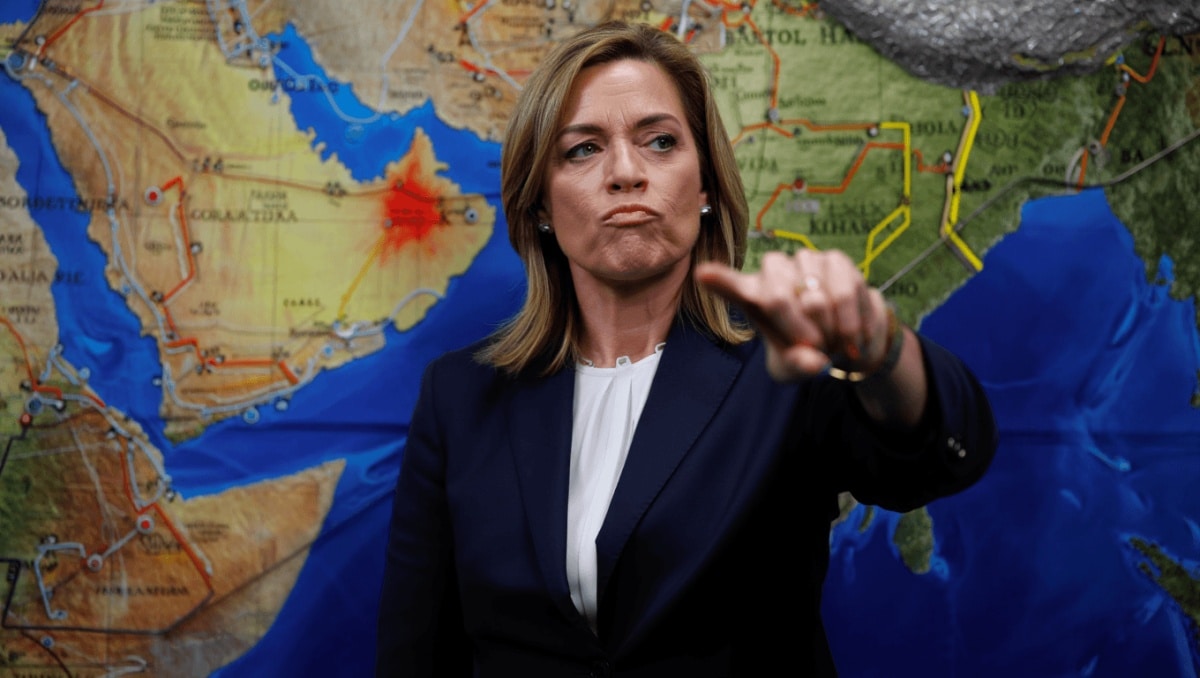
As global energy markets wobble amid conflict in the Middle East, Colombia is pressing the case that crises should hasten the move off oil and gas rather than delay it. Environment Minister Irene Vélez Torres says next month’s international meeting in Santa Marta offers a timely stage to broaden debate on replacing fossil fuels with solar, wind and geothermal power.
Vélez frames the gathering as a forum to explore pathways away from carbon-intensive energy, not as a venue for binding pacts. With supply shocks and price volatility front of mind, the minister argues momentum for a faster transition is now a political and economic imperative.
What the Santa Marta meeting will do — and what it won’t
Boxing champions ditch long runs for high-intensity training: new era in fight prep
Czech nationals among victims of Pinedale-area crash: two confirmed dead
The weeklong conference, co-hosted by Colombia and the Netherlands from April 24–29 in the Caribbean city of Santa Marta, is designed to shift the international conversation about fossil fuel phaseout. Organizers say the event is intended to catalyze discussion and share options, rather than to extract formal commitments from participating governments.
That distinction matters because formal U.N. climate negotiations have historically struggled to agree on explicit language about cutting fossil fuel production. Colombia’s initiative aims to fill that gap by creating political space where producers, consumers and other stakeholders can confront the practical and diplomatic challenges of a production-side transition.
Colombia’s tightrope: revenues and rainforest
Colombia sits at an awkward crossroads: it is a significant oil exporter and relies on hydrocarbon sales for a sizeable portion of state revenue, yet much of its territory is covered by the Amazon rainforest, a critical carbon sink. The government under President Gustavo Petro has moved to curb new oil exploration contracts and has pushed internationally for a faster phaseout of fossil fuels.
Within the electricity mix, Colombia has increased the share of non-large-hydro renewables — primarily **solar** and **wind** — from roughly 1% to about 16% during the current administration, Vélez says. Still, coal and oil remain pillars of the economy, financing public spending and social programs.
How current geopolitics are reshaping energy choices
Unrest in the Middle East, including tensions linked to Iran, has disrupted shipping through the Strait of Hormuz and contributed to higher oil prices. Those market pressures have prompted some governments to consider temporarily expanding fossil fuel output to secure supplies, even as they profess long-term decarbonization goals.
The global picture is uneven: some nations are accelerating renewables, while others are prioritizing immediate energy security and production. High-level diplomatic frictions — for example between Colombia and the United States over trade and counternarcotics policy — mirror deeper policy contrasts on the energy transition.
- Energy prices: Supply shocks tend to raise costs for consumers and businesses, increasing short-term pressure to tap more fossil fuel production.
- Investment flow: Uncertainty can slow clean-energy investment but also spur policymakers to create incentives that attract capital for renewables.
- Jobs and local economies: A managed phaseout could require retraining and transition funding for communities dependent on oil and coal.
- Geopolitics: Exporting countries face domestic fiscal trade-offs when considering production limits.
- Climate risk: Delaying the transition increases the likelihood of more extreme weather and higher adaptation costs.
Who’s in the room — and who is not
Not all major producers are expected to attend. Saudi Arabia, a leading oil exporter, is not taking part; Colombian officials describe Riyadh as having entrenched interests in fossil fuels and little appetite for phasing them out. The meeting’s organizers say findings from Santa Marta will be shared with negotiators preparing for COP31 in Turkey later this year, but any formal inclusion in U.N. outcomes will depend on subsequent diplomatic discussions.
Within that mix, voices differ on pace and fairness: some countries stress the need to protect vulnerable workers and economies, while others press for rapid production-side measures to keep warming below agreed limits. Colombia’s hosting role positions it as an advocate for confronting production explicitly — a shift from many climate talks that focus mainly on cutting emissions at the point of consumption.
As governments weigh short-term security against long-term climate risk, the Santa Marta meeting will test whether political momentum can be built outside the formal U.N. framework to tackle the practical challenge of moving beyond fossil fuels. For citizens, businesses and policymakers, the outcome could influence energy bills, investment decisions and the timeline for adopting cleaner technologies.