Show summary Hide summary
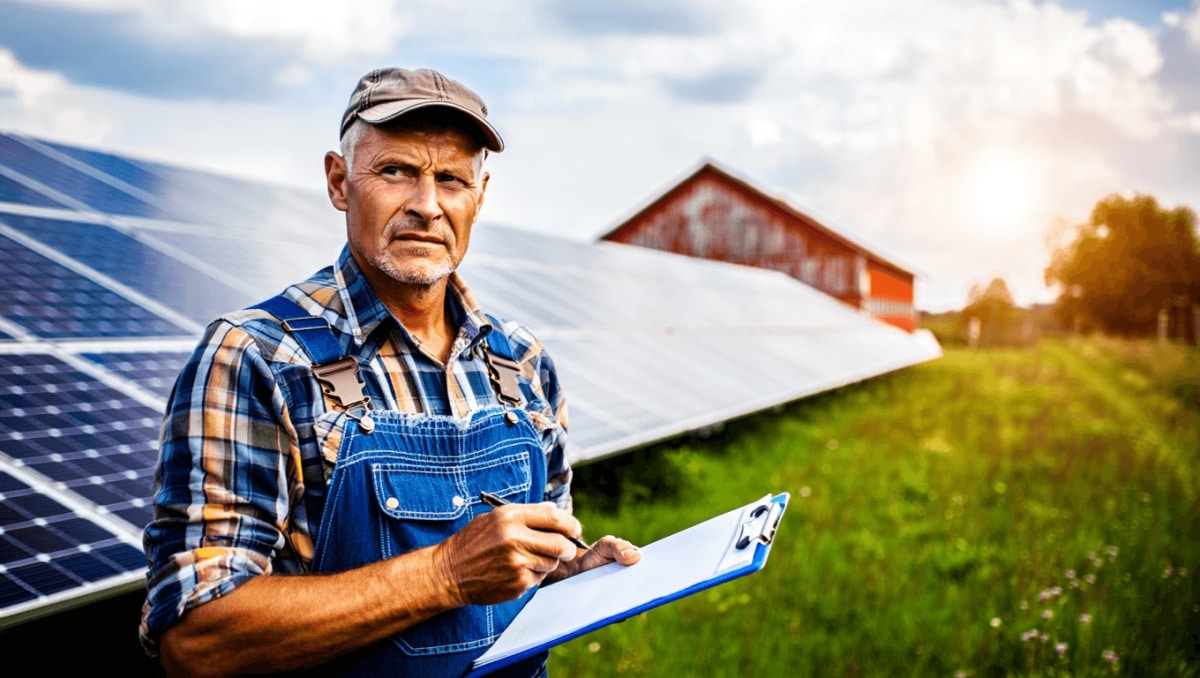
For many U.S. farmers, lower-cost electricity from solar and other renewables has become a practical way to cut operating expenses — but recent federal policy moves have made that path harder to follow. Since President Trump returned to the White House, key programs that helped rural producers adopt clean energy have been scaled back or paused, leaving projects in limbo and growers weighing whether renewable investments still make sense.
Rural energy aid stalled after policy change
The U.S. Department of Agriculture’s signature rural clean-energy initiative, REAP (Rural Energy for America Program), has traditionally provided grants and loan guarantees to farms, ranches and small rural businesses looking to install on-site generation or improve efficiency. Over nearly 20 years it supported hundreds of projects with more than $1.8 billion in grants, and the program received a fresh infusion of funding from the Inflation Reduction Act in 2022.
Boxing champions ditch long runs for high-intensity training: new era in fight prep
Czech nationals among victims of Pinedale-area crash: two confirmed dead
But an analysis by The Associated Press and Grist of USDA data shows the program has not committed any new funds for renewable energy projects since September, and the agency has not reopened REAP’s grant application cycle despite earlier indications it would. The USDA’s loan guarantee option — aimed at larger installations — remains technically available but has produced no new awards in the current fiscal year, which began Oct. 1.
On March 31 the agency announced a temporary halt to all REAP grant awards while it updates regulations to follow a July executive order from the White House. A USDA spokesperson described the suspension as temporary but gave no timetable for when grants will resume.
Investment tax credit deadlines moved forward
The federal investment tax credit that helped scale commercial solar began in 2005 and has been renewed several times. Under the 2022 climate package it was extended to support clean-energy growth through the decade. But a tax measure passed by Congress last year under the current administration accelerated the deadlines for eligibility.
Under the new schedule, commercial solar developments must be under construction by July 2026 or in service by the end of 2027 to qualify for the credit. That tightened timeline has put pressure on projects that are still awaiting permits or regulatory review.
The AP–Grist review identified at least 126 proposed solar installations on or near farmland that have been filed since 2024 and are now awaiting approvals. Together they would add roughly 20 gigawatts of capacity — roughly enough to serve 4.5 million homes — but several developers say the compressed deadlines make proceeding impossible for projects that can’t move quickly.
- Immediate impacts: stalled financing, cancelled installations, and shrinking appetite for new rural clean-energy investments.
- Scale at risk: hundreds of megawatts of proposed capacity tied to farmland face delay or abandonment.
- Local effects: fewer opportunities for lease income, on-farm savings and services such as solar grazing.
On the ground: farmers and advocates respond
For individual producers the consequences are tangible. Daniel Bell, a sheep farmer in Kentucky, supplements his income by allowing a commercial solar company to graze sheep beneath its panels. Planning for a new barn, he hoped to add rooftop solar to power operations, but the pause in USDA grant awards has effectively shut that option down for now.
“It’s about having the flexibility to spend less on energy and reinvest on the farm,” Bell said.
Robert Bonnie, who oversaw farm production and conservation at USDA under the previous administration, warned that scaling back rural clean-energy support affects both household budgets and broader rural economies. “In states from Iowa to Texas, renewables are about more than just clean power — they affect farmers’ bottom lines,” Bonnie said. “Pulling back federal backing is going to be deeply felt.”
What to watch next
Key developments that will determine whether stalled projects move forward include:
- Whether USDA sets a clear timeline to reopen REAP grant competitions and finalizes the rule changes tied to the recent executive order;
- How regulators interpret “under construction” for the investment tax credit and whether permit and interconnection delays receive any relief;
- Decisions by developers about whether to compress schedules, seek alternative financing, or abandon proposals.
For farmers weighing onsite solar or efficiency upgrades, the near-term picture is uncertain: federal support that once made projects financially viable has been reduced or delayed, and looming tax-credit deadlines are forcing quick choices.
This report draws on analysis by The Associated Press and Grist. Correction: new commercial solar projects can qualify for the investment tax credit if they are under construction by July 2026 or in service by the end of 2027, not necessarily meeting both conditions.