Show summary Hide summary
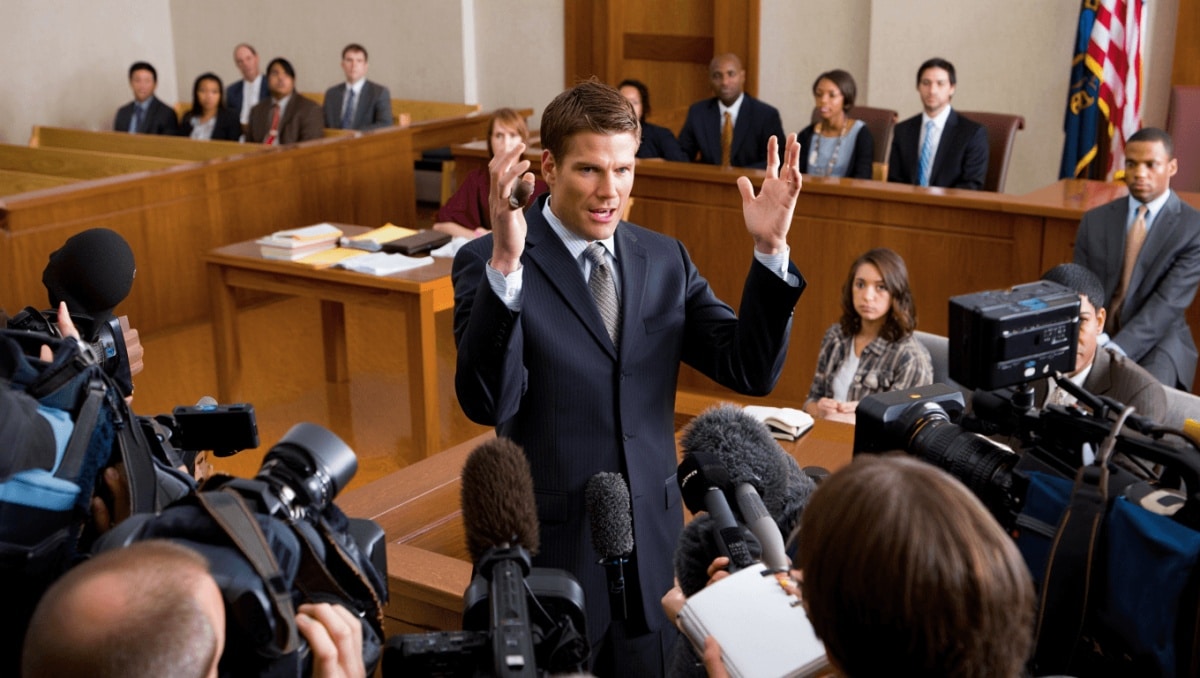
The long-running argument over whether cameras belong in criminal courtrooms has flared up again as defense lawyers for a man charged in last September’s campus shooting of conservative activist Kirk asked a judge this week to bar video and photography from the proceedings. The request, filed by the defendant identified as Robinson, puts a spotlight on how public coverage can shape perceptions before a jury is ever chosen.
Robinson’s lawyers say pervasive, often sensational media attention risks prejudicing potential jurors and turning the trial into a spectacle. Prosecutors counter that allowing cameras could help counter conspiracy theories and correct “distorted narratives” that have circulated since the shooting; a trial date has not been set.
From flashbulbs to formal rules
Boxing champions ditch long runs for high-intensity training: new era in fight prep
Czech nationals among victims of Pinedale-area crash: two confirmed dead
Public access to courtroom events is not new, but the role of broadcast media has evolved unevenly. The 1935 trial of Bruno Hauptmann in the Lindbergh baby murder is widely remembered for how cameras and photographers transformed a criminal hearing into a national phenomenon and prompted judges to rethink media presence in the courtroom.
Two decades later, the issue resurfaced with different consequences. The trial of a Texas businessman drew heavy television coverage, and the U.S. Supreme Court later concluded that the intense publicity had undermined the defendant’s constitutional protections — a decision that reinforced restrictions on federal court broadcasting for years.
By the 1980s the high court reversed course, ruling that states could decide for themselves whether to permit cameras. Since then, many state trial courts have allowed limited coverage, though practices vary widely and judges retain broad discretion to control what is shown.
What today’s dispute is really about
At stake in the Robinson case are several competing public interests: the defendant’s right to a fair trial, the public’s right to observe justice, and the media’s role in informing — or inflaming — public debate. Those tensions play out in practical decisions about where cameras can be placed, who may be filmed and whether sensitive testimony should be excluded from broadcasts.
Prosecutors told the court that openness can serve as a check on rumors and help rebuild trust when a case has generated partisan attention. Defense lawyers argue that even measured coverage can be edited or framed in ways that shape impressions long before jurors hear evidence.
- Transparency: Cameras can demystify court procedures and hold institutions accountable, but visibility can also amplify misleading clips.
- Jury influence: Broad coverage increases the pool of viewers exposed to commentary and speculation, which may complicate jury selection and impartiality.
- Behavioral effects: The presence of cameras can subtly change how witnesses, lawyers and judges present themselves, according to legal scholars.
- Misinformation risk: Edited footage and social media excerpting can spread distorted narratives rapidly.
Lessons from landmark cases
Legal history shows the debate rarely resolves neatly. High-profile trials that were televised — most famously the O.J. Simpson prosecution in 1995 — exposed both the public appetite for courtroom drama and the risk that participants alter behavior under the lens.
At the same time, courts have created tailored rules to try to balance competing values: some permit still photography but no video, others allow pooling arrangements where media outlets share a single feed, and some ban all electronic recording during active testimony.
That patchwork means the outcome in Robinson’s case will hinge largely on local rules and the judge’s assessment of whether cameras would threaten the integrity of the proceedings or serve the public interest.
Why this matters now
As trials unfold in an era of social media and rapid dissemination of clips, the consequences of allowing or barring cameras have grown more immediate. A single image or short video can reach millions within hours, shaping public opinion and potentially complicating appeals, juror anonymity and witness safety.
For readers following the Robinson prosecution, the court’s forthcoming decision on media access will determine not only how the trial is covered but also how the public experiences a case steeped in political and social tensions.
Whatever the ruling, the debate is likely to continue: the tools and platforms for sharing courtroom content have changed dramatically, but the core questions — fairness, accountability and the public’s right to know — remain the same.