Show summary Hide summary
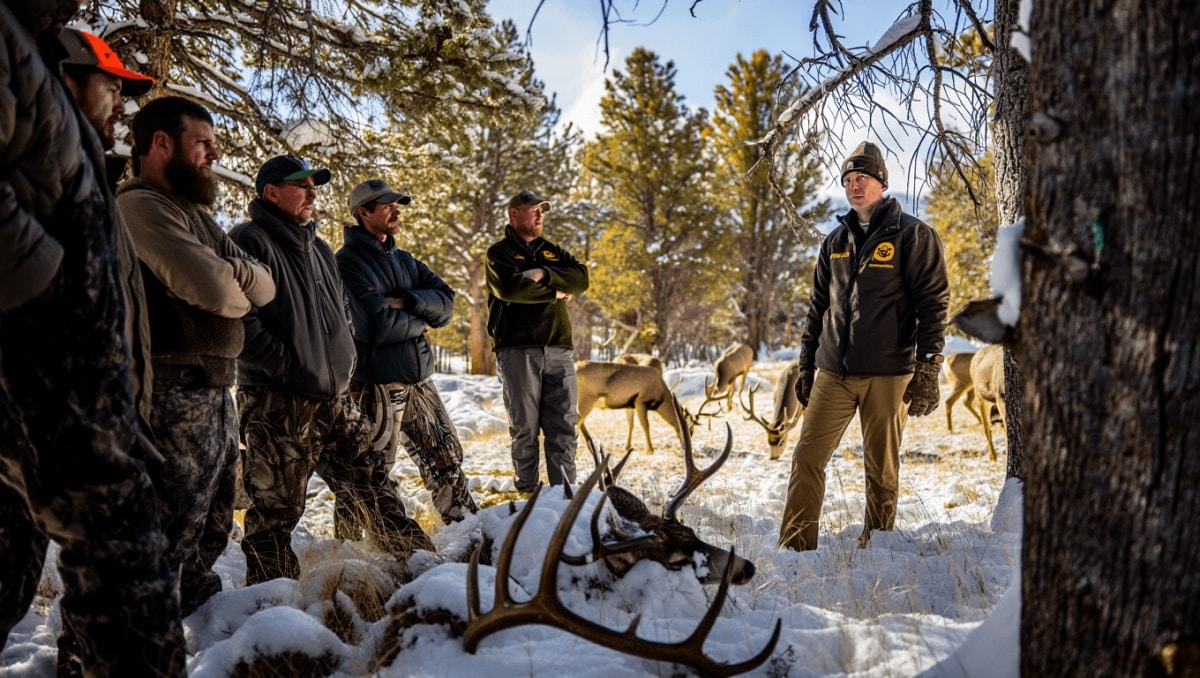
Hunters and wildlife managers in northwest Wyoming are sharply divided over a proposed rollback of post‑crash hunting limits, even as biologists say easing restrictions would not threaten the mule deer herds’ rebound. The Wyoming Game and Fish Department has suggested lengthening seasons and removing antler‑point requirements for the Sublette and Wyoming Range herds in its draft 2026 regulations, putting a final decision before commissioners in late April.
Why the change matters now
The debate follows one of the most punishing winters in decades, when deep, atypical snowpack in 2022–23 wiped out large portions of both herds. Since then, researchers report rising fawn production and improved survival, prompting agency biologists to consider restoring more traditional hunting opportunities. For hunters, outfitters and local communities, the stakes are immediate: access to tags, hunting success and the pace of long‑term recovery.
“It was a devastating winter,” said Brandon Scurlock, wildlife management coordinator for the Pinedale Region, “but we’re seeing clear signs the herds are coming back.”
Boxing champions ditch long runs for high-intensity training: new era in fight prep
Czech nationals among victims of Pinedale-area crash: two confirmed dead
Numbers at a glance
- Wyoming Range Herd: Estimated at about 10,300 animals after the winter low point and rising to roughly 15,500 following the 2025 season — still about half of the pre‑winter estimate of 29,580.
- Sublette Herd: Suffered severe losses, with biologists estimating roughly two‑thirds mortality during the 2022–23 winter.
- Sex ratios: Not currently skewed toward bucks (Sublette ~43 bucks:100 does; Wyoming Range ~38 bucks:100 does), so male harvests are unlikely to derail population trends unless those ratios change dramatically.
- Hunter success: Fell from a pre‑winter average near 33% to 16% in 2023, improved to 21% in 2024 and about 27% last fall, with harvest numbers climbing but still below pre‑crash levels.
What regulators proposed
This spring the Game and Fish Department put forward draft hunting regulations that would reverse temporary measures adopted after the winter die‑off: seasons would be extended and the widespread requirement that bucks have at least four points on either antler would be dropped for the affected hunt areas. The changes cover 18 hunt units in northwestern Wyoming and apply only to bucks; does and fawns remain protected.
Agency officials say the adjustments reflect current population data and are meant to normalize management as recovery proceeds. “When we shorten seasons after heavy winter mortality, we also try to expand opportunities when counts and survival rates support it,” Scurlock said.
Why biologists say the rollback won’t harm recovery
Population growth in mule deer hinges on the number of does and the survival of fawns. Because state rules already prohibit taking females and young animals in these herds, managers argue that opening up buck harvest will have little effect on overall herd trajectories unless sex ratios become extreme.
University of Wyoming ecologist Kevin Monteith, who has led a long‑term study of the Wyoming Range Herd, notes encouraging field signs: larger yearlings, stronger fawn survival and heavier adult females than recorded in the past decade. “Given those factors, the population is positioned to increase,” he said, adding that full recovery from a loss of this magnitude will nonetheless take time.
Hunters split—public comments poured in
Despite the scientific rationale, most written comments submitted to the commission oppose rolling back restrictions. Many hunters who took part in public comment wrote that easing rules now risks undoing hard‑won gains and could put pressure on younger bucks that should be allowed to mature.
“I fear that taking away restrictions too soon may regress the progress that has been made,” wrote one resident, while another described the proposed combination of extended seasons and open‑antler harvest as “a step in the wrong direction.”
Not all respondents agreed. Several hunters and outfitters argued the temporary antler rules had reached their useful limit and that continuing them beyond a few years can be counterproductive. One commenter noted data suggesting such restrictions are most effective for short periods, and urged the commission to restore normal seasons.
What happens next
Wyoming Game and Fish commissioners will vote on the 2026 hunting regulations, including these changes for the Sublette and Wyoming Range herds, at a meeting on Wednesday, April 22, 2026, in Casper. Meeting information is available on the Wyoming Game and Fish website at WGFD.wyo.gov/commission.
The decision will shape hunter access for the coming seasons and signal how aggressively the state will shift from emergency protections back to routine management. Even if commissioners approve expanded opportunities, biologists caution that hunters should expect several more years before take rates return to pre‑crash levels—rebuilding a population that lost a large portion of animals in a single winter cannot be rushed.
Researchers continue to monitor the herds closely. Recent fieldwork has included extensive collaring and migration tracking — researchers captured more than 120 mule deer and documented hundreds of migrations — to better understand survival, movements and habitat use as the herds recover.
For now, the science points toward cautious liberalization: the bucks targeted by newly proposed hunting rules appear unlikely to determine the short‑term fate of the herds, but long‑term recovery will require sustained monitoring, habitat protection and patience from hunters and managers alike.