Show summary Hide summary
The University of Wyoming’s new Wind River Promise Fund is already reshaping college plans on the Wind River Reservation: far more seniors are considering Laramie this year than in past cohorts, and tribal leaders say the timing addresses longstanding barriers to four‑year degrees. The program, set to begin in 2026, locks in full support for eligible students and removes a primary obstacle that pushed many graduates toward community colleges.
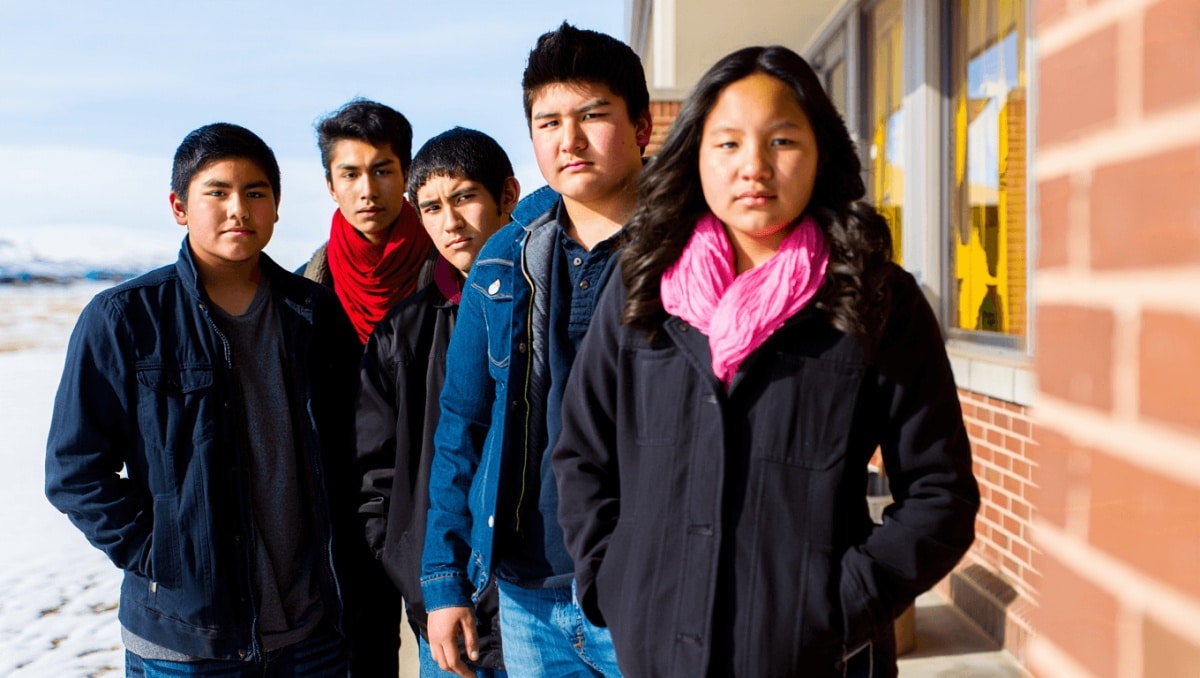
At Wyoming Indian High School, school counselor Roland Robinson reported a sudden jump in interest. Instead of the usual one or two applicants to UW, he said this year roughly 10 seniors are eyeing the state university — a striking increase for a graduating class of about 45.
What the Promise Fund covers
The university’s trustees approved the fund after several years of advocacy. The board committed $2 million to the endowment and provided an additional $250,000 in expendable funds to launch the program in 2026. UW later expanded eligibility to include returning, transfer and first‑time students.
Boxing champions ditch long runs for high-intensity training: new era in fight prep
Czech nationals among victims of Pinedale-area crash: two confirmed dead
The scholarship pays for all tuition and fees for qualifying students from the two Wind River tribes. To apply, candidates must verify tribal enrollment and meet standard enrollment and academic requirements.
- Who is eligible: Enrolled members of the Eastern Shoshone or Northern Arapaho tribes who are Wyoming residents and graduates of Wyoming high schools.
- Academic and enrollment standards: Full‑time enrollment, satisfactory academic standing, and annual completion of the FAFSA.
- Key dates: Scholarship application due July 1; first‑year students must confirm fall 2026 enrollment by May 1, transfer students by Aug. 1.
Renewal rules and administrative steps
Recipients may renew the award each year, provided they meet several conditions: continuous full‑time enrollment (at least 12 credits each fall and spring), completion of 24 credits per academic year, a minimum cumulative GPA of 2.0 at UW, and annual submission of the FAFSA and the scholarship application via WyoScholarships.
UW President Ed Seidel emphasized the importance of deadlines in a university statement, noting the board’s commitment to ensuring eligible tribal members can access the new support.
How this fits into a broader national trend
The Wind River Promise Fund places UW alongside institutions that have adopted targeted tuition relief for Indigenous students. Colleges such as Fort Lewis in Colorado and the University of Montana already offer similar waivers or tuition support for enrolled tribal citizens, reflecting a growing recognition of historic and structural obstacles to higher education for Indigenous communities.
Advocates in Wyoming have argued that the university has an ethical obligation to support Native students because some of UW’s endowment stems from land revenues historically tied to dispossession of tribal territories. That history, they say, contributes to the moral case for prioritizing access and affordability.
Roots of the initiative
The idea of waiving tuition for tribal students first surfaced publicly in 2018 when tribal representatives proposed a plan to reduce financial barriers. Progress was slow until a 2022 memorandum of understanding between UW and the tribes committed both parties to develop stronger supports for Native students. The proposal regained momentum in 2024 after research by Alyson White Eagle, a Northern Arapaho law student and research assistant, highlighted disparities in representation and outcomes.
Her findings showed that less than 1% of UW’s student population identifies as Native American or Alaska Native, while about 4% of Wyoming residents report tribal affiliation — a gap that signals underrepresentation on campus. She also documented lower retention and graduation rates among Indigenous students and testified that existing endowed scholarships were oversubscribed, leaving many applicants without support.
On the ground: affordability and culture
For students from the Wind River Reservation, cost has repeatedly been a decisive factor. UW’s total in‑state price — including tuition and fees — is reported at about $8,245, a figure lower than the national average but still potentially out of reach for families where poverty rates exceed national levels.
Robinson, who attended UW himself, said the university experience can be transformative but also culturally disorienting for many first‑generation college students who have lived their whole lives on the reservation. He described Laramie as “a different atmosphere” and noted that cultural transition, alongside financial strain, can make persistence difficult.
Still, he welcomed the Promise Fund as a concrete step toward expanding opportunities: by removing the primary financial hurdle, more Wind River students can seriously consider a four‑year path rather than defaulting to local community colleges.
- Immediate impact: Increased applications from reservation high schools for fall 2026.
- Longer-term stakes: Potential to raise Native enrollment, improve degree completion rates and strengthen ties between UW and Wyoming’s tribal nations.
- Practical next steps for students: Verify tribal enrollment, submit the July 1 scholarship application, complete FAFSA annually and confirm campus enrollment by posted deadlines.
The Wind River Promise Fund launches at a moment when universities nationwide are examining how targeted financial aid can address historic inequities. For students living on the reservation, the new scholarship could make UW a realistic and attractive option starting next year — provided applicants meet the administrative and academic requirements the program requires.