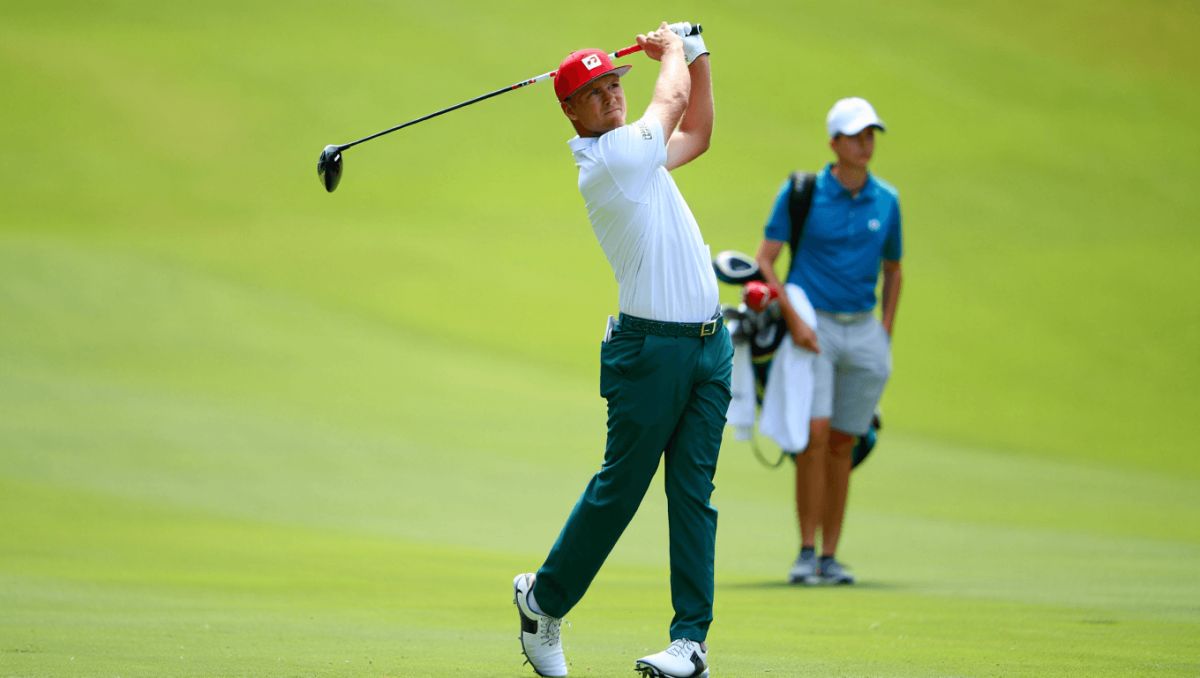
With the U.S. Open at Shinnecock Hills looming next month, Scottie Scheffler is shaping up as the most talked-about contender — not for flash or rhetoric, but because his methodical approach makes a missing major feel temporary. Observers increasingly treat the prospect of a completed career Grand Slam as a timing issue: when, not whether.
Scheffler’s defining asset is not a textbook swing so much as an ironclad routine and the capacity to reset under pressure. He has shown an unusual ability to shrink distractions and return to a repeatable process, a trait that separates a great scorer from an all-time performer.
That resilience has been tested in extreme ways. He finished tied for eighth in a major only days after being detained in an incident that could have derailed a lesser player, yet he simply maintained his form and finished strong.
Boxing champions ditch long runs for high-intensity training: new era in fight prep
Czech nationals among victims of Pinedale-area crash: two confirmed dead
- Consistent U.S. Open form: four top-10s in five starts, including T7, T2 and a third-place finish.
- Recent variability: one off year coincided with his weakest putting metrics in majors to date.
- Recovery evidence: after a brief slump in putting earlier this season, he posted a dominant -25 at a subsequent PGA Tour event, illustrating how quickly he can rebound.
The U.S. Open is traditionally the sternest exam on the calendar — penal rough, tight fairways and greens that reward precision over flair. It has denied greats like Phil Mickelson and Sam Snead a missing major despite repeated bids. Yet Scheffler’s history at Open setups suggests he handles those conditions well; his ball-striking and course management routinely keep him in contention even when the putter cools.
Scheffler himself has downplayed the allure of trophies. He has spoken candidly about the fleeting exhilaration of a win and the way his motivation now flows from refining his craft rather than collecting hardware. That mindset helps explain why questions about the Grand Slam typically draw a measured response — he returns the conversation to the work at hand.
Players and pundits alike point to a simple formula: when Scheffler’s putting aligns with his elite ball-striking, he is difficult to beat. Even without his best week on the greens, he remains a fixture atop leaderboards because his long game so consistently sets up birdie opportunities.
The implications are straightforward for fans and rivals. A Scheffler victory at Shinnecock would complete his set of majors within a five-season span — a rapid pace matched only by Tiger Woods. If he falls short, history and his own temperament suggest he won’t embark on a decade-long quest to fill the gap; he resets, adjusts, and returns a threat immediately.
What to watch over the coming weeks:
- Short game and putting — small changes here swing outcomes more than any other single factor.
- Early round temperament — how quickly he recovers from a wayward start will indicate whether he’s in Scheffler mode or merely good.
- Course-management decisions at Shinnecock — navigating penal rough and firm greens will test strategy as much as shot execution.
Ultimately, Scheffler’s story is less about chasing a checklist and more about an obsessive pursuit of excellence. That quiet hunger — combined with elite tee-to-green play — is why many inside the game view the completion of the Grand Slam as an eventuality, and why the upcoming U.S. Open matters so much for his legacy.