Show summary Hide summary
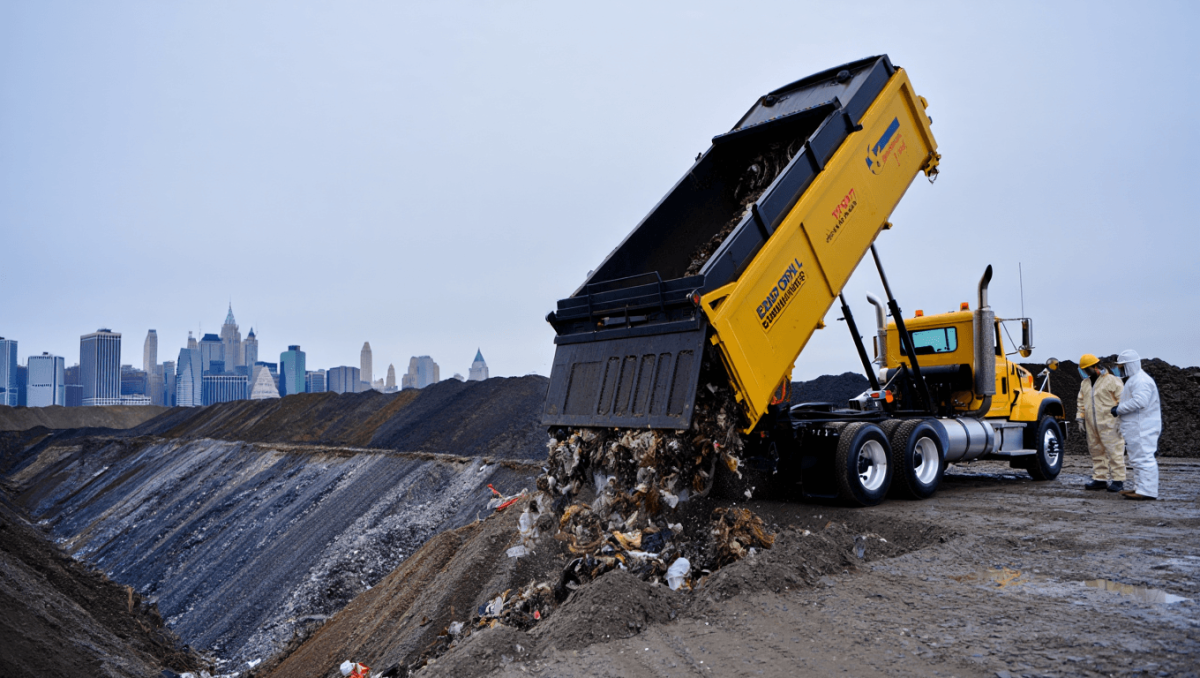
A court has issued a permanent injunction stopping plans to place waste tied to the Manhattan Project into the Wayne Disposal landfill, a ruling that immediately halts a contentious proposal and raises fresh questions about how the nation manages decades-old radioactive contamination. The decision, handed down this week, shifts responsibility back to federal and state agencies and puts a spotlight on local safety, regulatory oversight and the cost of long-term cleanup.
The judge’s order bars the landfill operator and any permitting authority from accepting or disposing of the Manhattan Project-era material at the Wayne site. According to court filings and advocacy groups that challenged the plan, the waste originates from legacy Cold War activities and includes materials that federal and state regulators classify under various radioactive-waste categories.
Opponents argued the landfill’s design and operating practices were not adequate to protect nearby communities and groundwater, while the landfill operator and some officials had maintained that the material fell within allowable disposal limits. The court concluded that the public interest and potential environmental harms outweighed the permit approval and granted permanent relief to the plaintiffs.
Boxing champions ditch long runs for high-intensity training: new era in fight prep
Czech nationals among victims of Pinedale-area crash: two confirmed dead
Why this ruling matters now
The decision matters for three immediate reasons: it prevents a near-term transfer of potentially hazardous material into a municipal landfill; it signals judicial willingness to scrutinize how legacy radioactive waste is routed to commercial sites; and it forces regulators to reconsider long-term disposal pathways for Cold War-era contamination.
For residents near Wayne Disposal, the ruling brings temporary relief but not necessarily final answers. The legal bar stops the landfill option but does not itself resolve where the waste will ultimately be treated or stored. Federal agencies that oversee legacy contamination will now be under pressure to provide alternatives that meet both technical safety standards and public expectations.
What the ruling could mean next
Practical consequences are likely to unfold over months or years. Expect administrative appeals and possible negotiations among the Department of Energy, the Environmental Protection Agency, state regulators and local officials. In the meantime, the waste will remain in interim storage at its current location, subject to existing containment and monitoring conditions.
- Regulatory review: Agencies may reopen permit assessments or impose stricter criteria for off-site disposal of legacy materials.
- Legal appeals: The landfill operator or permitting authorities can seek appellate review, which could prolong uncertainty.
- Community oversight: Local groups are likely to press for independent testing and more transparent decision-making.
- Budgetary impact: More secure disposal or remediation options typically carry higher costs that may require federal funding or reallocation of state resources.
Experts in radioactive-waste management note that Manhattan Project-era materials vary widely in radioactivity and chemical makeup. Some are classified as low-level radioactive waste and historically have been sent to licensed commercial facilities under strict controls; others require specialized treatment or long-term isolation that only certain federal repositories can provide.
Because of that diversity, a one-size-fits-all disposal plan rarely works. The court’s ruling underscores the tension between reducing storage backlogs and maintaining safety standards for communities and ecosystems.
Local elected officials who supported the landfill plan said the decision will delay cleanup efforts and could increase costs. Environmental groups hailed the ruling as a protection for public health, arguing that the move prevents premature or unsafe disposal. Neither side can declare victory long-term: judicial relief solves an immediate procedural and safety dispute but leaves open the larger policy question of how to manage the nation’s Cold War waste legacy.
What happens next will depend on technical assessments and political will. Potential paths include expanded use of licensed federal repositories, enhanced on-site remediation at contamination sources, or development of new secure disposal facilities designed to handle specific classes of legacy material. Any of those options will demand time, funding and close oversight.
For now, the permanent injunction clearly shifts the debate from local permitting to a broader review of federal and state responsibilities in cleaning up and disposing of radioactive remnants of the 20th century. The case will likely be watched closely by communities near other proposed disposal sites, agencies that regulate radioactive materials and companies involved in remediation and waste-management work.