Show summary Hide summary
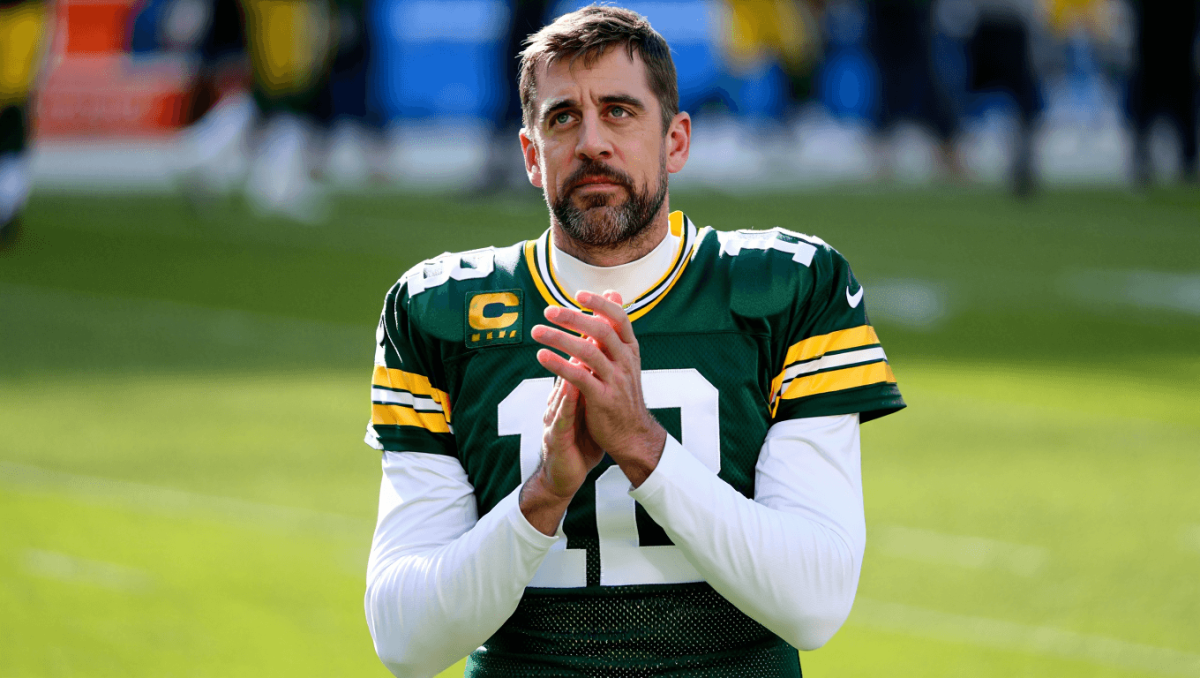
Aaron Rodgers announced Wednesday that this season will be his last in the NFL — a declaration that matters now because it could reshape the Steelers’ short-term plans and mark the end of a two-decade chapter in professional football and sports media. At 42 — turning 43 in December — Rodgers’ decision closes a career that has repeatedly dominated headlines on and off the field.
End of a playing era, uncertain next act
Rodgers is entering his 22nd NFL season after signing a one-year contract with the Pittsburgh Steelers, a franchise still searching for long-term clarity at quarterback. That alone makes his retirement announcement consequential for a team trying to build stability under center this season.
Boxing champions ditch long runs for high-intensity training: new era in fight prep
Czech nationals among victims of Pinedale-area crash: two confirmed dead
On pure football terms, Rodgers’ résumé is complete: Pro Bowls, MVPs and highlight-reel moments that place him among the defining quarterbacks of his generation. He has also accumulated career earnings reported to be well over $400 million from contracts and bonuses.
Yet his public profile has always extended beyond statistics. Rodgers has been a constant in sports conversation for the last decade — not only for his play but for the controversies and media appearances that followed him into locker rooms and living rooms alike.
Where the announcement leaves the NFL and the media
The league risks losing one of its most polarizing figures. Rodgers’ presence forced attention — from televised game nights to talk shows — and his exits or returns have traditionally generated ratings spikes.
That attention matters to broadcasters and podcasters who benefited from his candid segments, notably his recurring appearances on the Pat McAfee Show. But the nature of his platform could change dramatically if he is no longer an active player.
- For Pittsburgh: A short-term veteran stop complicates the team’s quarterback roadmap and may force quicker decisions about a successor.
- For the NFL: The league loses a headline-grabbing performer whose presence shaped narratives and TV audiences.
- For broadcasters: Rodgers’ switch to full-time media work would add a recognizable voice but may not carry the same weight without his player status.
- For Rodgers: Retirement would curtail the on-field spotlight that has amplified his public controversies and commentary.
Controversy and credibility
In recent seasons Rodgers has been involved in several off-field storylines: a well-publicized estrangement from family members, public disputes over his COVID-19 vaccination status, and repeated flirtations with retirement announcements tied to media opportunities — including talk of hosting Jeopardy!.
Those moments helped define him as a celebrity-athlete who blurred lines between sports, opinion and entertainment. As a retired figure, the same opinions that once drove tune-in may read differently to audiences, folded into a crowded field of former athletes turned commentators.
Still, nothing about Rodgers’ career has been predictable. He has announced retirements and reversals before; another change of heart is possible.
What comes next
If this truly is the final season, Rodgers leaves behind a complex legacy: one of elite play and persistent headlines. If he reconsiders, the NFL — and Pittsburgh — may get another season of the quarterback who has long commanded attention wherever he played.
Either way, the coming months will reveal whether Rodgers’ exit alters how fans, networks and franchises value the blend of on-field excellence and off-field spectacle he embodied.