
Show summary Hide summary
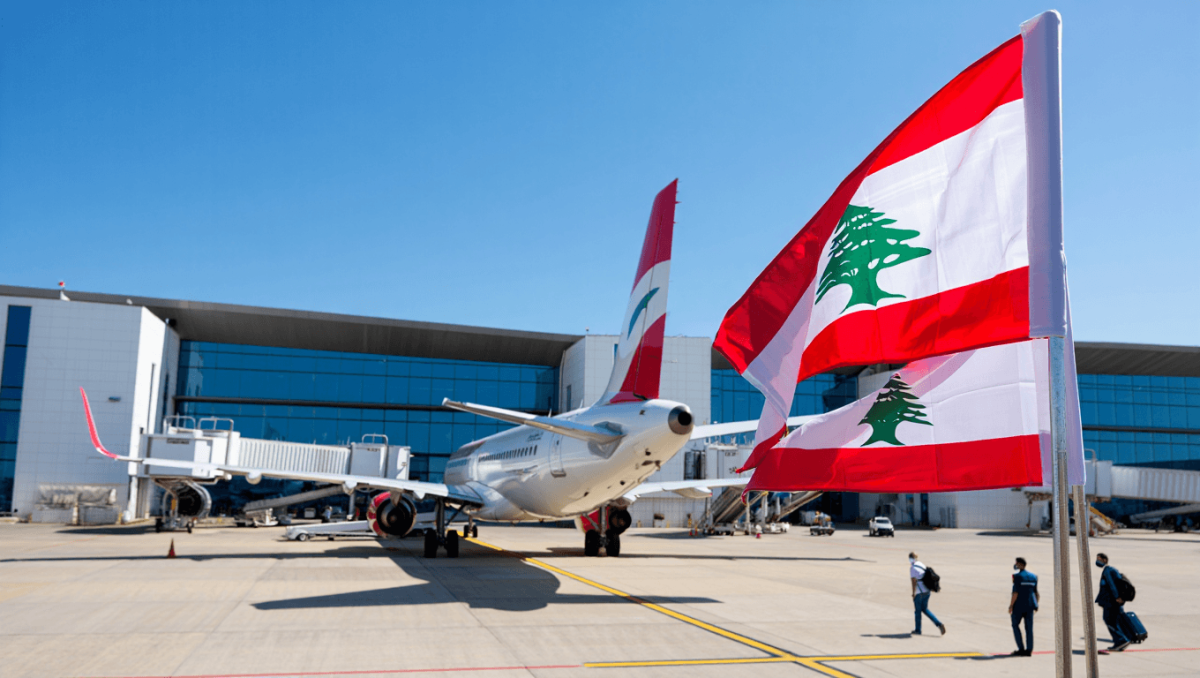
Lebanon opened the newly upgraded René Mouawad Airport this week, marking the country’s second facility designated for international flights. The move aims to widen access beyond the capital and could reshape travel and trade patterns in the north — but significant operational and regulatory work remains before the airport runs at full capacity.
What changed and why it matters
The airport’s inauguration signals a deliberate effort to decentralize international air services in Lebanon, which until now have been concentrated at Beirut’s main terminal. Officials present the project as a way to reduce travel times for northern residents, attract regional tourism, and create new freight and logistics options.
Boxing champions ditch long runs for high-intensity training: new era in fight prep
Czech nationals among victims of Pinedale-area crash: two confirmed dead
For travelers, the most immediate implication is practical: fewer hours on the road to reach an international departure point. For businesses, particularly those in the northern coastal and inland provinces, an additional international gateway could lower shipping costs and open direct connections to new markets.
Key facts at a glance
- Status: Opened for international operations this week after a formal inauguration.
- Role: Positioned as Lebanon’s second international airport, complementing Beirut’s main hub.
- Primary goals: Improve regional connectivity, stimulate local commerce, and ease pressure on the capital’s airport.
- Short-term limits: Airlines, ground handlers and authorities will need time to set schedules, secure slots, and scale customs and security services.
Operational challenges ahead
Opening the runway is only the opening chapter. Airports require a complex web of agreements and services to function: airline route commitments, bilateral aviation clearances, integrated ground handling, and steady staffing for immigration and customs. Any delay in these areas could leave the facility underused despite the infrastructure now in place.
There is also a financial dimension. Sustaining international service depends on predictable demand and competitive pricing. Smaller markets often rely on incentives or state support early on to attract carriers; whether Lebanese authorities pursue such measures will shape the airport’s commercial trajectory.
Local impact and wider implications
Residents in the northern governorates are likely to see the most tangible benefits: shorter connections for business travel, medical trips, and family visits. Hoteliers and tour operators may find new opportunities, while shippers could gain a nearby alternative for cargo heading to or from northern Lebanon.
At a national level, diversifying entry points can strengthen resilience in times of crisis — allowing traffic to be rerouted if one hub is disrupted — and may encourage more balanced regional development if paired with investment in roads and services.
Outlook: cautious optimism
Experts and local officials will be watching three indicators closely: how quickly carriers announce regular international routes, the volume of passengers in the coming months, and whether customs and security operations scale reliably. If those pieces fall into place, the airport could become a durable regional asset; if not, it risks becoming a symbolic achievement with limited practical effect.
For now, the inauguration represents a notable shift in Lebanon’s aviation map — a fresh option for travelers and businesses that will only reveal its full value as operations and commercial partnerships develop.