Show summary Hide summary
This weekend’s spotlight in Indianapolis will be split between the racetrack and the basketball court: Fever star Caitlin Clark will serve as grand marshal at the Indianapolis 500, while the Pacers’ front office signals a potentially decisive summer. How the team spends — and whether it can keep its core healthy — will shape Indiana’s title prospects heading into 2026-27.
Front office signals openness to big moves
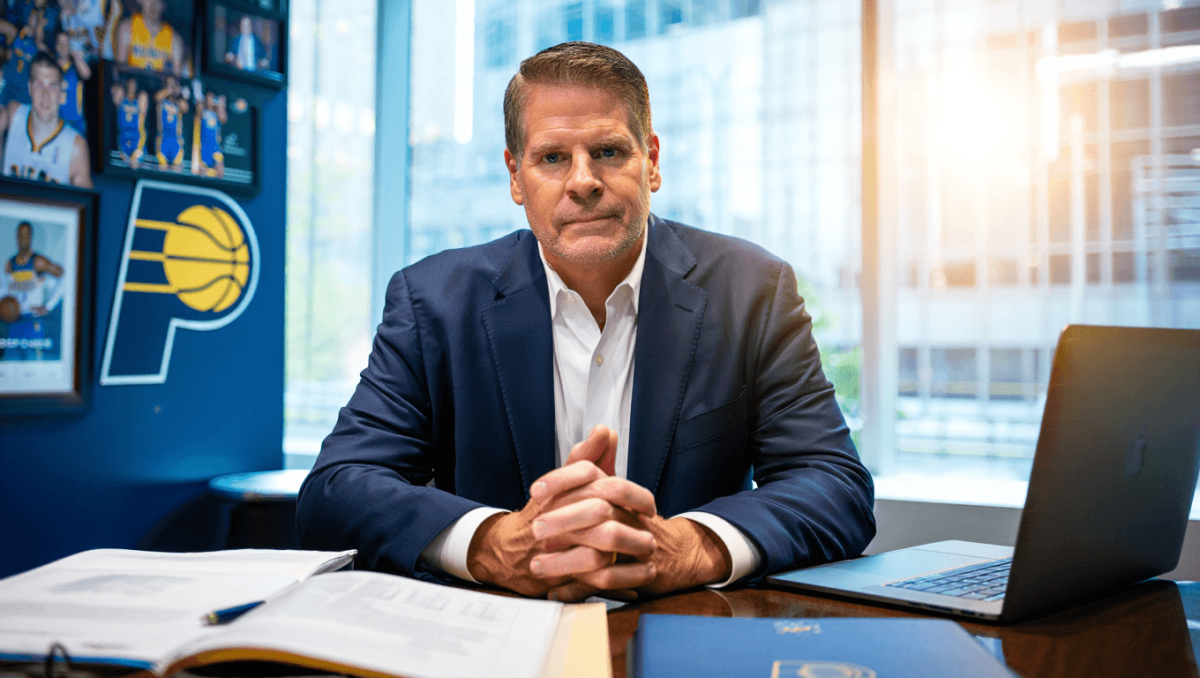
Pacers general manager Chad Buchanan told local radio he and ownership are prepared to be more aggressive in free agency than in recent years, even if that requires passing the threshold into the luxury tax. The organization, he said, does not want short-term cost constraints to blunt its championship window.
Boxing champions ditch long runs for high-intensity training: new era in fight prep
Czech nationals among victims of Pinedale-area crash: two confirmed dead
That stance is cautious but assertive: Buchanan framed any payroll increases as selective and strategic, not reckless, reflecting a desire to balance immediate roster upgrades with long-term flexibility.
Where the urgency comes from
One year ago, Tyrese Haliburton’s buzzer-beating jumper forced overtime in Game 1 of the Eastern Conference Finals — a reminder of how close the team came to a deep playoff run. The celebration was short-lived: less than five weeks later, Haliburton suffered a torn right Achilles early in the NBA Finals, a blow that still shapes roster planning.
This season’s results — a 19–63 record — followed those highs and lows, leaving the front office without a top-four draft lottery pick and with one fewer first-round selection after a February trade sent their prospective pick to the Los Angeles Clippers as part of the deal that brought in center Ivica Zubac.
Injuries, recoveries and roster continuity
Health is the central variable. Team medical forecasts expect Haliburton back for 2026-27, and Zubac — limited to six games in Indiana before a rib injury ended his season — is also projected to return next year. Still, a string of other nagging issues, including setbacks for role players such as Jay Huff, complicated the campaign.
Pacers coach Rick Carlisle summed it plainly last spring: the group was a signature shot away from greater success, but the subsequent season underlined how quickly momentum can shift.
- Priority 1 — Health: Return of Haliburton and recovery of key frontcourt pieces.
- Priority 2 — Free agency: Targeted additions that complement the existing core without destroying financial flexibility.
- Priority 3 — Draft limitations: Rebuild and retool despite lacking a 2026 pick and having traded their 2026 second-rounder earlier.
- Priority 4 — Timeline management: Balancing short-term competitiveness with the franchise’s long-term plan.
What to watch this offseason
Expect the Pacers to explore both the trade market and free-agent signings. Any move that increases payroll will be measured against the team’s recovery timeline and the desire to remain competitive without mortgaging the future.
For Indiana fans, the immediate test is pragmatic: will this front office convert declarations of aggressiveness into concrete additions that meaningfully raise the club’s ceiling — and will those additions arrive before the roster settles back into health?
The combination of a high-profile moment at the Indianapolis 500 and looming roster decisions makes this a pivotal summer for basketball in Indiana. The outcome will determine whether the franchise can turn last season’s setbacks into a genuine push for contention next year.