A new safety review by federal investigators underscores a recurring problem on U.S. rails: aging tank cars remain a major hazard when derailments involve dangerous chemicals. The National Transportation Safety Board says the July 5, 2024 derailment near Bordulac, North Dakota, shows why regulators and railroads cannot delay replacing vulnerable tank cars or reassessing how hazardous cargoes are grouped in a train.
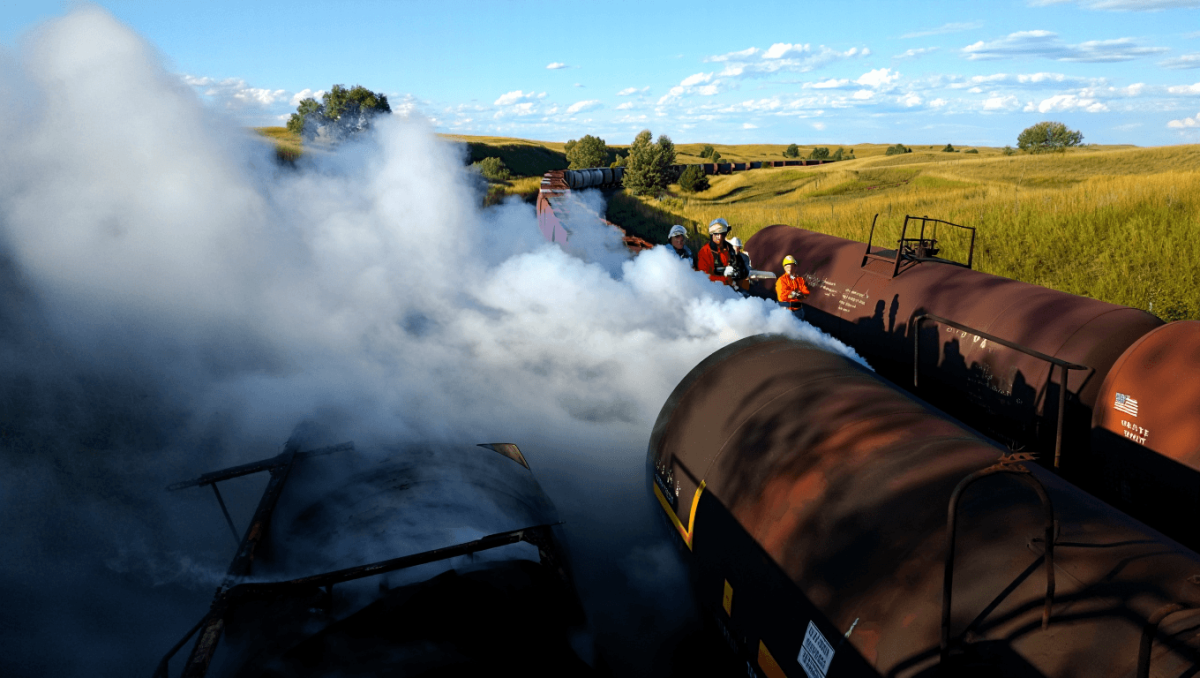
The NTSB’s report, released Thursday, points to the outsized damage that follows when leak-prone tank cars rupture and volatile cargo ignites. In this derailment — a Canadian Pacific Kansas City (CPKC) freight — five tanks carrying methanol were breached and caught fire; the blaze then compromised three additional cars filled with anhydrous ammonia, releasing a toxic plume.
The agency highlighted two linked failures: equipment that is simply not rugged enough to survive a high-energy derailment, and train assembly practices that place flammable and inhalation-hazard materials in close proximity. Investigators traced the initial mechanical trigger to a culvert collapse that broke the rail, but said the overall consequences were magnified because the cars involved were the older, thin-shelled designs regulators have long criticized.
Boxing champions ditch long runs for high-intensity training: new era in fight prep
Czech nationals among victims of Pinedale-area crash: two confirmed dead
Those older models — commonly known in industry and regulatory circles as DOT-111 tank cars — have a long track record in major accidents. The NTSB’s report recalls previous incidents where ruptured tank cars turned spills into fires and mass evacuations, including the catastrophic 2013 Lac-Mégantic disaster in Canada that killed 47 people and a series of crude and ethanol accidents in the 2000s.
Congress has already ordered a phaseout for DOT-111 cars carrying certain flammable liquids by 2029, and railroads have largely removed them from ethanol and crude service. But federal and trade data show thousands of older tank cars remain in circulation hauling other combustible liquids — gasoline, solvents and various chemicals — leaving a continuing risk in U.S. freight operations.
- What happened in North Dakota: 29 of 151 cars derailed after a culvert collapse. Five methanol tanks breached and burned; three ammonia tanks later ruptured in the fire. No immediate injuries from the derailment, though cleanup personnel reported health issues.
- Key material risks: Methanol is highly flammable; anhydrous ammonia is toxic when inhaled. The combination increases both fire and public-health hazards.
- Regulatory backdrop: NTSB has pushed for stronger tank standards since the 1990s; Congress set a 2029 phaseout for certain DOT-111 uses. Industry has been upgrading cars since 2013, but not all replacements meet the most robust specifications.
The derailment unfolded in a relatively isolated area and two nearby homes were evacuated temporarily while crews fought the blaze and managed chemical releases. Dozens of other cars carried non-hazardous cargo — mostly plastic pellets — and cleanup teams worked for days. While no residents were reported injured, several workers who participated in the response sought medical attention for exposure-related symptoms.
CPKC said its spokespeople were reviewing the NTSB findings after the report’s publication; federal agencies charged with rail and hazardous-material oversight — the Pipeline and Hazardous Materials Safety Administration and the Federal Railroad Administration — did not immediately offer comment.
Beyond calling for accelerated retirement of older car designs, the NTSB urged railroads to rethink how trains are assembled so that **flammable liquids are not placed adjacent to materials that can produce toxic airborne hazards if released**. The board also criticized the inspection regime around the failed culvert, saying lapses in assessment left a collapse risk unrecognized despite frequent examinations.
Why this matters now: with thousands of older tank cars still in service and growing freight volumes, similar incidents could recur unless the remaining vulnerable cars are removed or rebuilt and routing and train makeup practices change. For communities along rail corridors, the stakes include fire, evacuations and acute inhalation risks from chemicals like ammonia.
Investigations like this tend to increase pressure on regulators and carriers to move faster. For readers living near rail lines, the immediate takeaway is practical: understand what hazardous materials may travel through your area, follow local emergency guidance, and push for public transparency about rail safety planning.