Kharg Island — the offshore hub through which most of Iran’s crude reaches global markets — has become a focal point of recent U.S.-Israel military activity, raising the prospect of a dramatic escalation in the Gulf. Any damage to the island’s oil facilities would cut into Tehran’s revenues and could ripple through global fuel markets at a time of already high prices.
In late February, strikes tied to a campaign by the United States and Israel began to target Iranian assets, and Kharg has since been singled out for its strategic value. U.S. strikes in mid-March reportedly struck military installations on or near the island while avoiding its petroleum terminals — a decision that U.S. officials said could be revisited if Iran continued to disrupt commercial traffic through the Strait of Hormuz.
Political rhetoric has intensified. A senior U.S. politician publicly threatened far-reaching action against Iran’s energy sector, saying the U.S. would “assume total control” of its oil and gas industries in the future. Hours later he announced planned strikes had been called off after what he described as progress in negotiations. Those statements underline how close tactical operations and diplomatic moves have become.
Boxing champions ditch long runs for high-intensity training: new era in fight prep
Czech nationals among victims of Pinedale-area crash: two confirmed dead
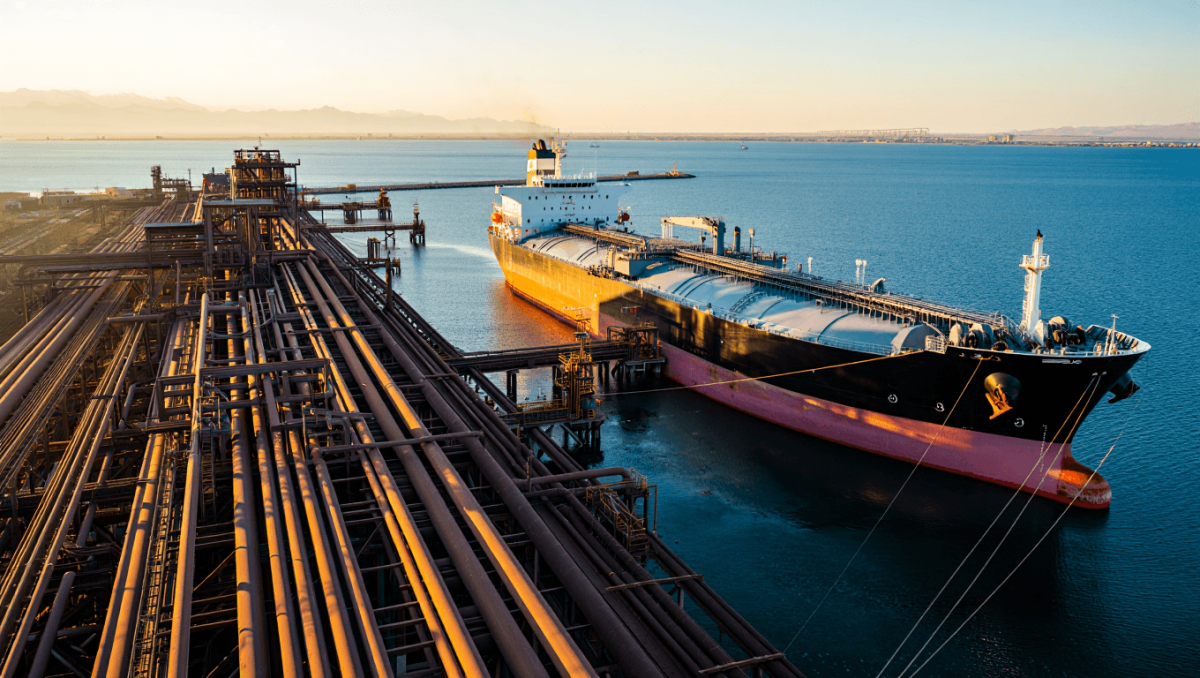
Why this matters now: Kharg is not only symbolic but operational. Iran’s mainland ports are largely too shallow for large tankers, so the country relies on offshore terminals and lightering at Kharg to move crude. Striking or occupying the island would not only deprive Tehran of a major revenue stream but also remove crude from international markets, putting further upward pressure on prices.
- Immediate economic effect: Loss of exports from Kharg would reduce Iranian income and could tighten global oil supply, exacerbating fuel price volatility.
- Security implications: A U.S. occupation or heavy strike on Kharg would position American forces about 33 kilometers (21 miles) from Iran’s shore — well within the operational range of Iranian drones and missiles.
- Regional escalation: Damage to Gulf energy infrastructure would heighten the risk of retaliatory attacks on shipping lanes and regional facilities, further destabilizing the Gulf.
- Human and cultural costs: Kharg hosts storage tanks, worker housing and historical sites; strikes could endanger civilian personnel and cultural heritage.
Geography and logistics make Kharg uniquely important. Located across the Persian Gulf from U.S. bases in Kuwait and Saudi Arabia, the small coral island functions as an offshore loading point with large storage tanks and living quarters for thousands of workers. Its port infrastructure allows supertankers to be loaded by shuttling oil from shore depots — a workaround imposed in part by sanctions and restrictions that limit the use of Iran’s shallower ports.
The island also contains unexpected traces of history: roaming gazelles, a ruined medieval fortress left by Portuguese mariners, and the remains of one of the Persian Gulf’s oldest Christian monasteries. Those features underscore how military and economic calculations intersect with cultural and environmental concerns.
Analysts warn that any deliberate destruction or loss of Kharg’s terminal would deepen Iran’s post-conflict economic challenges while simultaneously removing more oil from already tight markets. That double effect — weakening Tehran’s finances while inflating global energy costs — is precisely what would make Kharg a high-stakes target for both strategic and political reasons.
U.S. deployments to the region have increased as tensions rise, a move framed as protecting shipping and deterring further attacks. At the same time, Iran has continued to assert control over the Strait of Hormuz, a chokepoint that at one time carried roughly one-fifth of traded oil. The combination of military posturing, sanctions-driven export logistics and fragile diplomatic talks means the situation around Kharg could shape energy markets and security calculations well beyond the Gulf.
For now, the island remains intact but exposed: a critical node linking Iranian crude to world markets and a potential flashpoint that could redraw the economic and military contours of any wider conflict in the region.