
Show summary Hide summary
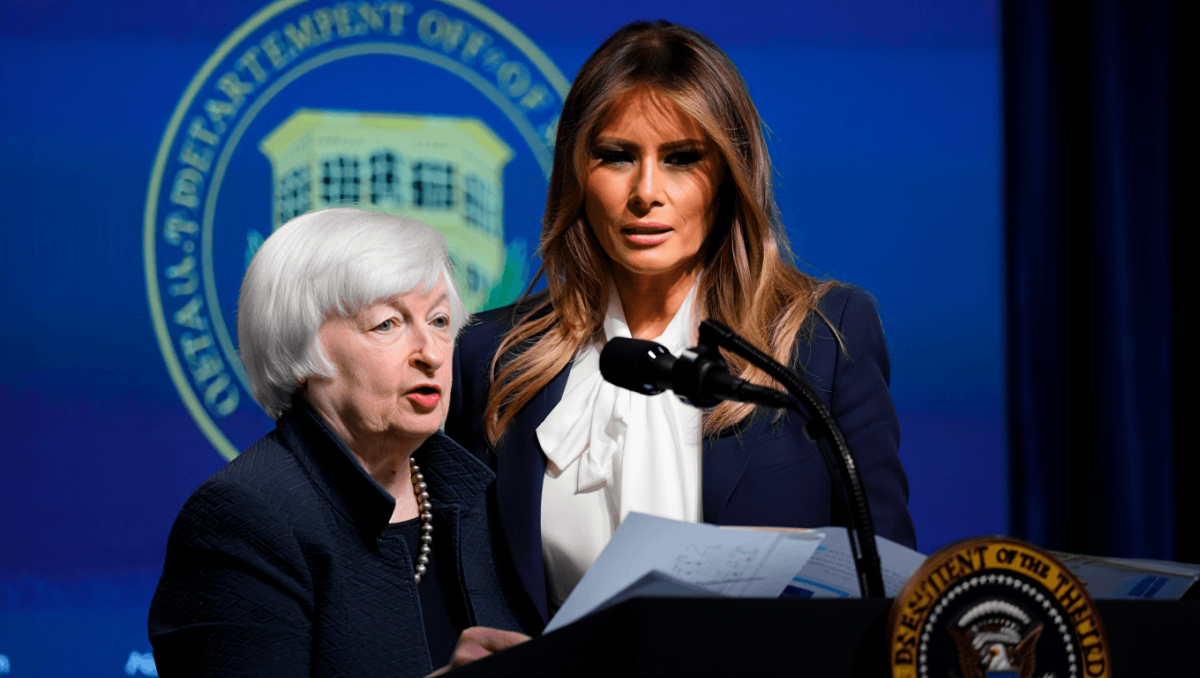
First lady Melania Trump and Treasury Secretary Scott Bessent on Thursday announced a new federal effort to extend the Biden-era “baby bond” idea to children in foster care, a change that could put starter savings into accounts for thousands who typically lack access to early assets. The initiative — dubbed Fostering the Future Accounts — lets state child-welfare agencies open the federally seeded accounts on behalf of foster children, with contributions eligible to begin on July 4.
The program builds on the existing Trump Accounts framework, which provides a $1,000 seed deposit for newborns whose parents open an account. Under the new guidance, agencies charged with a child’s care can act as the account-holder guardian to create and manage accounts for children in foster care who meet the eligibility window.
Who qualifies and when contributions start
Boxing champions ditch long runs for high-intensity training: new era in fight prep
Czech nationals among victims of Pinedale-area crash: two confirmed dead
Federal officials said the accounts will be available to U.S. citizens born between Jan. 1, 2025, and Dec. 31, 2028. The Treasury Department will accept deposits beginning on Independence Day, while rules allow child-welfare agencies to complete enrollment steps where parents are unable to open accounts themselves.
At a Treasury press event, the first lady framed the measure as an effort to expand early asset ownership to a vulnerable population. Treasury Secretary Bessent emphasized the administration’s intent to reduce barriers that can leave people at risk after leaving foster care.
Projected balances and the case for intervention
The White House Council of Economic Advisers provided illustrative projections showing how an untouched account seeded at birth can grow under market returns: a child born in 2026 with only the initial $1,000 deposit could see a balance of roughly $5,800 at age 18 and about $18,100 by age 28, according to that estimate.
- Seed amount: $1,000 per eligible child
- Account access: Age 18 (with funds invested in private markets)
- Eligibility window: Birth dates from 1/1/2025 to 12/31/2028
- Start of contributions: July 4
Those figures were offered to illustrate potential long-term effects if no additional contributions are made. Officials argued that even modest early savings can change educational and employment trajectories for youth aging out of foster care.
Scale and state participation
There are roughly 330,000 children in the U.S. foster care system, according to estimates cited by administration officials. Advocacy groups note stark outcomes for youth who age out: about one in five faces the risk of homelessness, and only roughly half are employed by their mid-20s, figures that have driven calls for targeted supports.
So far, the administration says 23 governors — all Republicans, according to the announcement — have signaled they will allow state agencies to begin enrollment procedures for foster children. The first lady urged additional governors and private-sector leaders to support the accounts financially.
Private pledges and unanswered questions
Treasury officials acknowledged that philanthropic and corporate commitments have emerged alongside the federal seed deposits. Several employers and wealthy donors have pledged matching contributions or supplemental funding in some places; public examples cited by aides include the Dells and the Dalios, though the scope varies by state and employer plan.
Key implementation details remain to be clarified publicly: how agencies will handle account management across states, timelines for outreach to eligible children, safeguards for invested funds, and whether additional legislative or budgetary actions will be required to scale the program.
The administration framed the step as immediate and operational: allowing guardian-like enrollment through child-welfare agencies creates a practical pathway to include foster children in a program originally designed for parents to open accounts.
Officials say the change could alter financial prospects for many young people who otherwise start adulthood with few assets, while critics may scrutinize cost, investment choices and state-level execution as the accounts begin to roll out this summer.