Show summary Hide summary
Brazilian authorities reported a steep drop in Amazon forest clearing for May, a development they say undercuts a recent U.S. trade case that cited deforestation. The figures, released by the National Institute for Space Research and the environment ministry, could influence an escalating tariff dispute while offering a cautiously optimistic sign for Brazil’s 2030 forest targets.
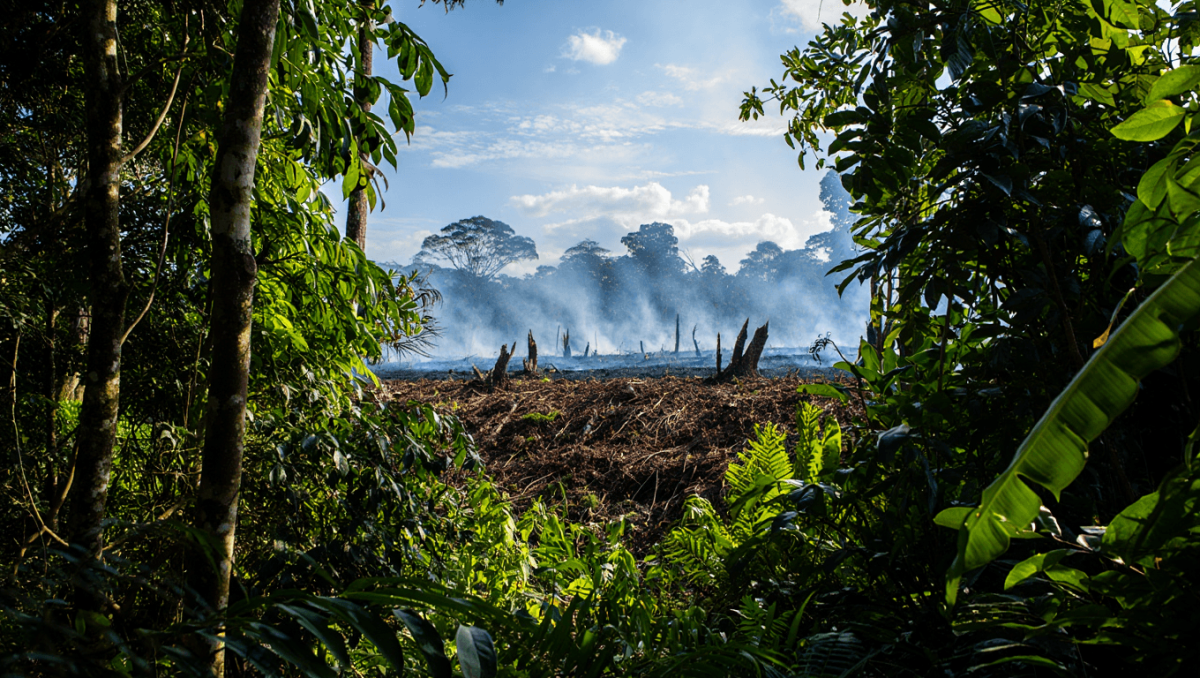
Officials said deforestation in the Amazon fell by 61.4% in May compared with the same month last year, though about 370 square kilometers (roughly 143 square miles) were still lost. The government highlighted the decrease as the lowest May reading on record and said preliminary trends point toward one of the lowest annual totals when data are finalized later this year.
Numbers that matter
Boxing champions ditch long runs for high-intensity training: new era in fight prep
Czech nationals among victims of Pinedale-area crash: two confirmed dead
The agencies noted that the dry season typically begins in May, a period when tree loss tends to rise, making the decline more notable. Over the 10-month span from August 2025 through May 2026, clearing in the Amazon fell about 37.5%. In the neighboring Cerrado savanna, deforestation dropped roughly 12% over the same month-to-month comparison.
- May year-on-year change: −61.4% (versus May 2025)
- Area cleared in May: ~370 km² (≈143 sq mi)
- Cerrado: −12% in May year-on-year
- 10-month decline (Aug 2025–May 2026): −37.5%
- U.S. trade action: proposal for 25% tariffs on certain Brazilian imports (announced June 2)
Environment Minister João Paulo Capobianco framed the numbers as evidence that accusations linking Brazil’s trade practices to ongoing large-scale deforestation were misplaced. President Luiz Inácio Lula da Silva echoed that line, calling prior U.S. tariff measures “unfounded” and saying Brazil is working toward eliminating illegal deforestation by 2030 as a government commitment rather than an externally imposed target.
Why this matters beyond the headlines
Deforestation remains Brazil’s largest source of greenhouse gases, and the fate of the Amazon has consequences well beyond national borders. Scientists warn that continued forest loss and degradation could intensify global warming and disrupt weather and agriculture in distant regions, from the U.S. Midwest to parts of Europe.
After steep losses in the 1990s and 2000s, forest clearing declined until the 2019–2022 period under then-president Jair Bolsonaro, when protections were widely criticized as weakened. Under Lula’s current administration the trend has reversed again, with last year already recording significant reductions.
Still, analysts and officials caution that the situation is fragile. Forest degradation — driven by drought, illegal logging and fires — now affects an estimated 40% of the Amazon and has in recent years outpaced outright clear-cutting. The outlook this year may be complicated by a strengthening El Niño, which typically brings hotter, drier conditions that raise the risk of blazes and further degradation.
Brazil’s latest data will be watched closely in coming months. Beyond the environmental stakes, they have practical implications for an ongoing U.S.-Brazil trade dispute: if the downward trend holds in the consolidated data, it could weaken the environmental rationale cited for proposed tariffs; if not, the tariffs argument may gain traction.