
As national teams finalize squads and warm-up fixtures for the expanded 2026 World Cup, expectations are already forming. Some countries arrive with genuine medal ambitions; others carry a confidence that looks misplaced when you factor squad age, depth and the tournament’s gruelling schedule.
Croatia
Croatia’s runs to the 2018 final and a third-place finish in 2022 remain among modern World Cup’s most impressive underdog stories. But those achievements were built around a core of World Cup-seasoned veterans who will be deep into their late 30s or early 40s by 2026.
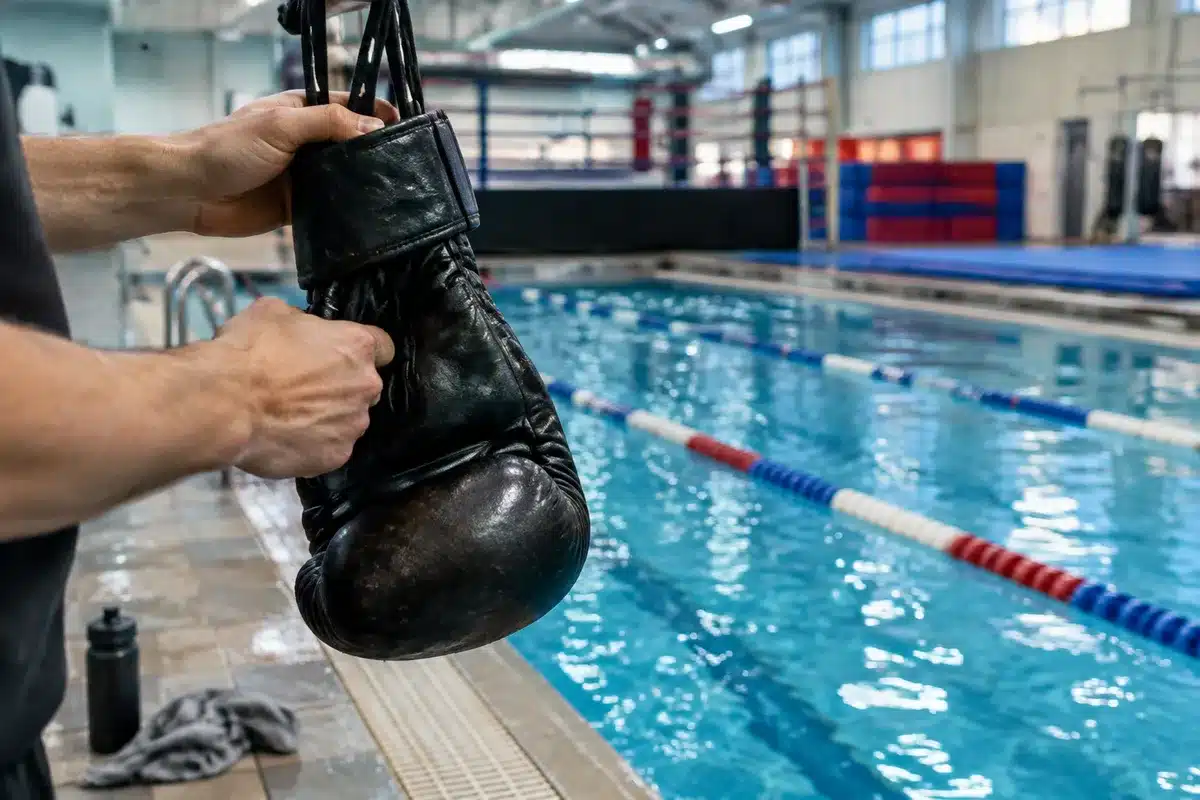
Boxing champions ditch long runs for high-intensity training: new era in fight prep
Czech nationals among victims of Pinedale-area crash: two confirmed dead
That kind of experience is valuable, yet it also creates clear physical limits. Midfield control and leadership will still be strengths, but relying on a handful of aging starters leaves little margin for injuries or a dip in form. Croatia’s attacking options have not developed a clear, reliable successor to lead a lethal front line, and the compressed timetable of the expanded tournament rewards youthful stamina.
Key vulnerabilities: aging core, limited striking depth, heavy minutes for veteran starters.
Portugal
Portugal often arrives at major tournaments with a mix of high expectations and genuine talent. But recent cycles have exposed a recurring issue: the gap between moments of brilliance and consistent, tournament-long output.
Defensive lapses and tactical swings — plus the pressure to balance veteran leaders with emerging names — can unsettle a team in the knockout rounds. If Portugal draws a difficult pathway and fails to find a sustaining identity, they risk an early exit rather than a serious title push.
- Why this matters: Portugal’s ceiling remains high but their floor is lower than many fans assume — in a big-field World Cup, consistency matters more than star-studded lineups.
Belgium
The so-called Golden Generation produced memorable club and international performances across a decade, but age and injuries have trimmed that edge. Several of Belgium’s most influential players are entering the final stages of their careers, and recovery from knocks has become slower and less predictable.
Young talent exists, but integrating successors for creative midfielders and reliable forwards has been uneven. Without a clear, refreshed spine, Belgium may struggle to maintain intensity against deeper, younger squads.
Mexico
Mexico remains one of the most watchable teams in CONCACAF and routinely qualifies with confidence. Yet at the World Cup, the team has long confronted a structural barrier: turning solid group-stage showings into deep knockout runs.
Travel, unfamiliar climates and the pressure of expectation away from home turf have repeatedly revealed tactical and finishing shortcomings. In 2026 the home-region advantage is tempered by an expanded field and tougher early-round matchups; Mexico’s recent history suggests they are more likely to flame out than to lift the trophy.
- Shared risks across these teams:
- Reliance on aging starters rather than proven long-term replacements
- Thin attacking options or inconsistent finishing
- Potentially punishing tournament calendar and travel demands
Short-term optimism — a strong qualifying campaign or a big friendly win — can create momentum. But for the teams above, structural issues make a genuine World Cup title unlikely in 2026. That distinction matters for fans, broadcasters and anyone weighing bets or predictions: pick enthusiasm, but account for the underlying constraints when assessing who can realistically go all the way.