
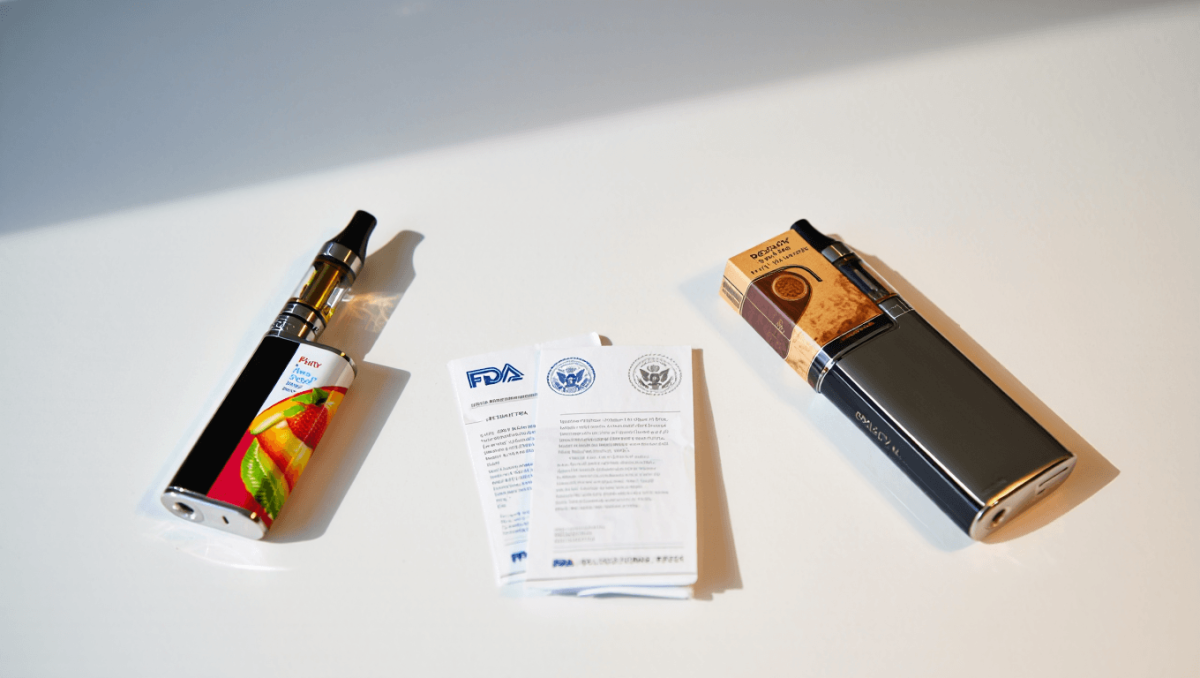
A newly released FDA memo raises fresh doubts about the agency’s recent move to clear fruit-flavored e‑cigarettes, finding they did not show a clear advantage over tobacco-flavored vapes for helping smokers quit. The document deepens scrutiny of the authorization and spotlights unresolved questions about how the agency weighed youth risk against potential adult benefits.
Last month the Food and Drug Administration granted its first authorizations for fruit-flavored vaping products, a departure from its long-held stance that sweets and dessert flavors pose special risks to young people and therefore must produce extra evidence of public-health benefit before gaining approval.
Public-health groups and several lawmakers immediately criticized the action, saying the agency had not adequately explained why fruity flavors received a green light. The memo published this week offers a closer look at the FDA’s reasoning — and at the limits of the data submitted by the maker, Glas Inc.
Boxing champions ditch long runs for high-intensity training: new era in fight prep
Czech nationals among victims of Pinedale-area crash: two confirmed dead
According to the memo, smokers enrolled in a three-month study were more likely to switch completely away from cigarettes after trying Glas vapes. But the analysis found no “statistically significant” difference between adults using Glas’s mango and blueberry flavors and those using a tobacco-flavored e‑cigarette.
That distinction matters because earlier authorizations for some menthol-flavored products included evidence that menthol vapers were significantly more likely to reduce or stop cigarette use compared with users of tobacco-flavored devices. In Glas’s case, the agency concluded the fruit flavors did not meet that same higher bar.
At the same time, FDA reviewers said the mango and blueberry products did not need to demonstrate an additional adult benefit because they judged youth uptake unlikely. Glas requires purchasers to unlock each device using an age-verifying smartphone app, and agency staff cited that safeguard in their assessment.
But the decision appears to conflict with recent FDA guidance that warned fruit and dessert flavors would face “a high evidentiary burden” because of their appeal to adolescents. Tobacco-flavored products, which are less attractive to teens, have typically encountered lower hurdles.
The memo itself is notably brief. Previous authorization documents often run dozens of pages and include detailed study design and sample-size information; last year’s authorization for menthol e‑cigarettes, for example, spanned more than 90 pages and summarized large datasets. The Glas memo omits several basic details — including the number of smokers enrolled — and was posted online more than a month after the agency announced the approval.
That delay and the sparse documentation have prompted further questions on Capitol Hill. In the weeks after the authorization several members of Congress demanded more transparency and additional explanation of the agency’s decision-making.
Glas’s application, which also included menthol and tobacco-flavored products, was first filed in 2021 and moved through phases of internal review. At least one early approval was temporarily blocked by a senior official before the mango and blueberry flavors were ultimately cleared during the final full week of the agency leader’s tenure; that official later stepped down amid industry criticism and debates about regulatory direction.
- What the memo shows: Fruit flavors did not outperform tobacco flavors in a way the FDA judged meaningful for public health.
- What’s missing: Key study details — such as participant counts and full statistical tables — were not included in the public memo.
- Why it matters: The approval could set a precedent for other sweet flavors, while critics worry it may increase youth exposure despite safeguards.
- Watch next: Congressional inquiries, additional FDA disclosures, and possible legal or policy challenges from public-health advocates.
For adult smokers, the practical takeaway is mixed: some may find flavored vapes helpful in switching away from combustible cigarettes, but the new record does not show fruit flavors outperforming tobacco-flavored alternatives in a robust way. For regulators and parents, the core concern remains whether current safeguards — like phone-based age verification — are sufficient to keep these products out of young hands.
Regulatory experts say the episode underscores two tensions: the agency’s obligation to weigh potential benefits for adult smokers against the rising risk of youth nicotine use, and the need for clear, transparent evidence when novel authorizations depart from longstanding policy. With lawmakers pressing for more answers, the FDA is likely to face sustained scrutiny over how it evaluates flavored vaping products going forward.