
Show summary Hide summary
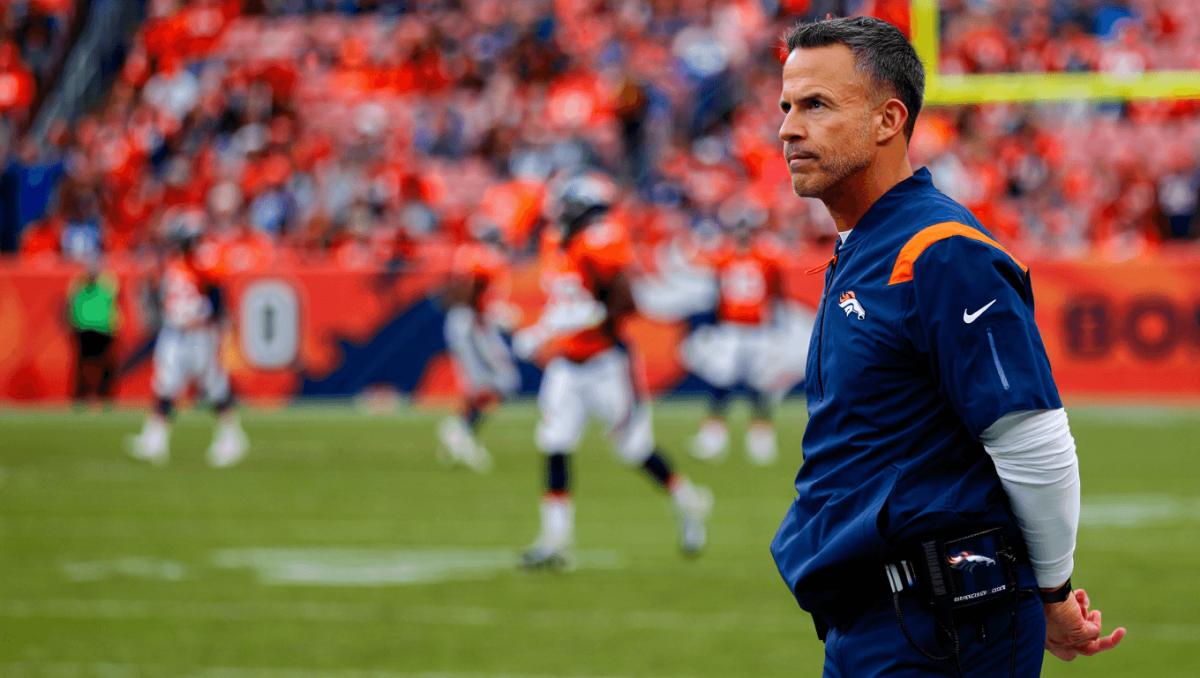
Sean Payton has been rewarded for reshaping the Denver Broncos: this week the franchise locked the coach into a contract that runs through the 2030 season, extending the stability that has propelled the team back into playoff contention. That continuity matters now — it preserves a coaching blueprint behind a strong defense and a young quarterback just as the Broncos look poised to stay competitive for the next half-decade.
When Payton arrived in Denver the roster and results were in decline. The Broncos had missed the postseason for seven straight years after their Super Bowl-winning window, and the organization made an unusually large investment in coaching, trading a first- and a second-round pick to acquire Payton from New Orleans.
That gamble has paid off in measurable ways: under Payton the Broncos are 32-19 across three seasons, have reached the playoffs in back-to-back years and claimed the AFC’s top seed last season. A late ankle injury to Denver’s starting quarterback in the divisional round against Buffalo prevented what looked like a realistic path to the Super Bowl — a reminder of how narrow a margin separates success from heartbreak in postseason football.
Boxing champions ditch long runs for high-intensity training: new era in fight prep
Czech nationals among victims of Pinedale-area crash: two confirmed dead
What the new deal buys Denver
The extension is about more than a title on Payton’s coat; it shapes roster planning, salary-cap decisions and the team’s identity. By committing to Payton through 2030 the Broncos gain continuity at the highest level — a clear message to players, prospective free agents and front-office staff that the franchise expects to compete now and in coming seasons.
- Short-term stability: preserves current coaching staff and playbook continuity, reducing the likelihood of a disruptive coaching search.
- Roster strategy: allows Denver to build around a clear defensive philosophy and a young quarterback for multi-year planning.
- Draft and cap flexibility: front office can plan longer-term rather than make concessionary moves to appease a transitional coach.
- Market signal: reinforces the premium teams place on experienced leadership in turning around franchises.
A complicated legacy
Payton’s coaching résumé isn’t defined solely by his work in Denver. He spent 15 seasons with the New Orleans Saints, leading them to consistent winning records, nine playoff appearances and the franchise’s first Super Bowl title. New Orleans never finished worse than 7-9 during his tenure.
At the same time, Payton’s past includes controversy. The Bountygate investigation and his subsequent suspension in 2012 remain part of the public record and have complicated assessments of his career. Still, he returned to the profession, re-entered the NFL landscape and now appears to have redeemed his reputation in the eyes of Denver’s ownership and many within the league.
That mix of achievement and blemish makes his run in Denver particularly consequential. If Payton can convert this era of stability into another Lombardi Trophy, his legacy would be more evenly split between the two cities; without that championship, his tenure in Denver will still be judged as a major rehabilitation of a franchise but perhaps not the final act.
For the Broncos, the real test is not the length of the contract but whether Payton can translate consistent regular-season success into postseason triumphs. With a stout defense and a promising quarterback, the pieces are in place; the extension simply buys time to assemble the rest.
Ultimately, Denver’s decision underscores a broader league lesson: a seasoned coach with a clear identity can be as pivotal as star players in reversing a team’s fortunes. The next few seasons will determine whether that lesson results in another championship or simply a prolonged run of competitiveness.