Show summary Hide summary
The Pittsburgh Steelers head into the coming season at a crossroads: offensive pieces and coaching continuity offer hope, but a large, aging contract on the defensive side threatens to limit the team’s next moves. How the front office handles that contract will shape whether Pittsburgh competes now or drifts into prolonged mediocrity.
The short version is simple: Pittsburgh’s on-field identity still has work to do, but the more urgent question is financial flexibility. Even if the offense becomes functional — through a veteran addition or a breakthrough by a young quarterback — the team’s ability to add complementary players and shore up depth depends on how it manages an outsized cap commitment to its star pass rusher.
Where the roster stands
Boxing champions ditch long runs for high-intensity training: new era in fight prep
Czech nationals among victims of Pinedale-area crash: two confirmed dead
The Steelers have rebuilt parts of their roster in recent seasons, investing in skill positions and retaining key coaches, which gives them a foundation to score and sustain drives. That continuity matters; a stable scheme and experienced play-callers make it easier for a quarterback to settle in quickly.
But quarterback uncertainty remains an unresolved equation. Pittsburgh has not found a long-term answer since the end of the Ben Roethlisberger era, and the team’s short-term ceiling depends heavily on who is under center and how quickly that player can produce.
Why the contract matters more than the tape
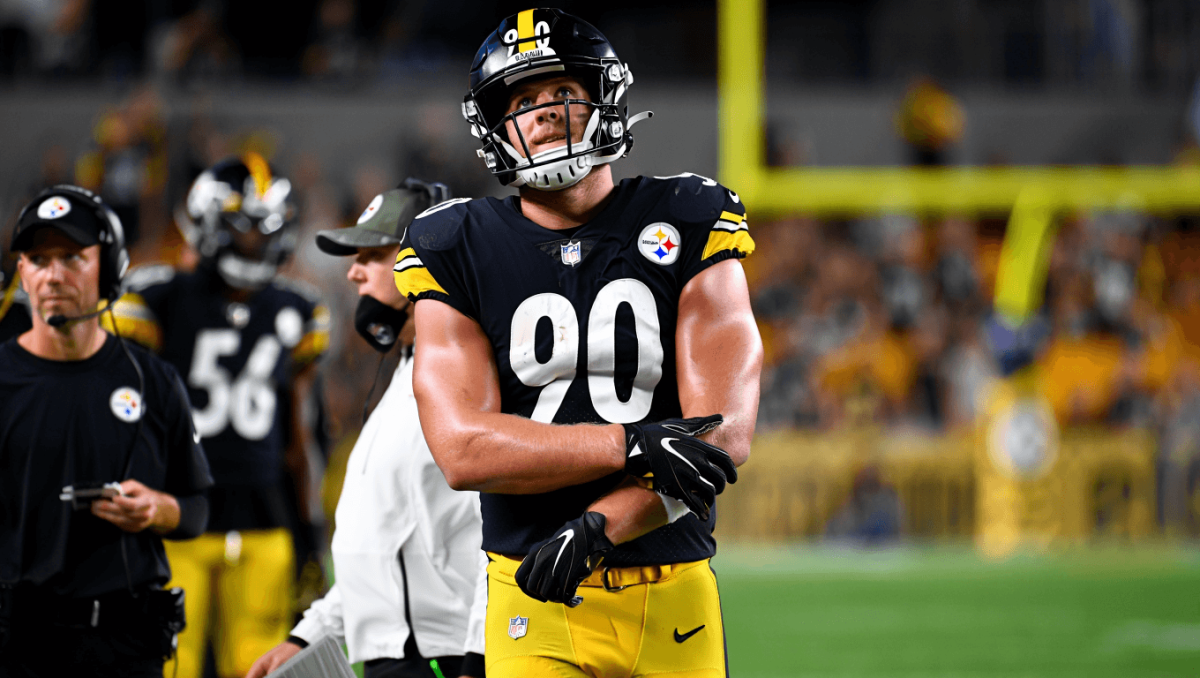
At the center of the debate is a large, legacy-era contract for the team’s marquee pass rusher. The player remains productive, but is now in his early 30s — an age when elite edge rushers often begin to show wear. Even at solid performance levels, the deal carries a cap hit that blocks other roster moves.
That kind of financial burden has three practical effects:
- It reduces the team’s ability to sign or retain role players on both sides of the ball, increasing the reliance on draft picks and bargain free agents.
- It limits short-term flexibility to address injuries or depth issues that inevitably arise over a 17-game schedule.
- It creates a dilemma for front-office decision-making: restructure and hope for long-term balance, trade a franchise icon for assets, or accept middling competitiveness.
The options are uncomfortable and each carries trade-offs. A restructure can free cap space now but may saddle the team with big future hits. A trade could recoup draft capital and flexibility but would represent a major roster and cultural shift. Doing nothing risks becoming a team that is consistently average — good enough to avoid high draft picks, not good enough to contest for a championship.
Concrete implications for fans and the franchise
- Playoff prospects: Short-term gains are possible if the offense clicks, but sustaining a deep postseason run requires depth that cap pressure makes harder to secure.
- Roster construction: Draft decisions and free-agent targets will be shaped by immediate cap room, not just long-term need.
- Trade market: Other clubs may be reluctant to take on a large contract, limiting trade returns and options.
- Franchise direction: The choice between rebuilding, retooling, or committing to the current core will define the next multi-year window.
There are precedents for each path in the league, and the Steelers’ leadership will need to weigh organizational identity against competitive realities. Maintaining a popular veteran for legacy reasons is understandable; using that commitment as the anchor for roster planning is riskier.
Ultimately, this is a decision that matters now. With training camp approaching and regular-season rosters taking shape, Pittsburgh must decide whether to protect short-term competitiveness at the cost of flexibility, or to accept disruption now to preserve the chance of sustained contention later. The route the front office chooses will determine whether the franchise returns to title contention or settles into another stretch of mediocrity.