
Show summary Hide summary
Major League Baseball’s expanded wild-card format keeps dozens of clubs technically alive in June, but the calendar and underlying performance tell a different story for some teams. With the July trade deadline looming, two once-hopeful franchises — the New York Mets and the Boston Red Sox — look more likely to shift into sell mode than mount genuine postseason runs.
New York Mets
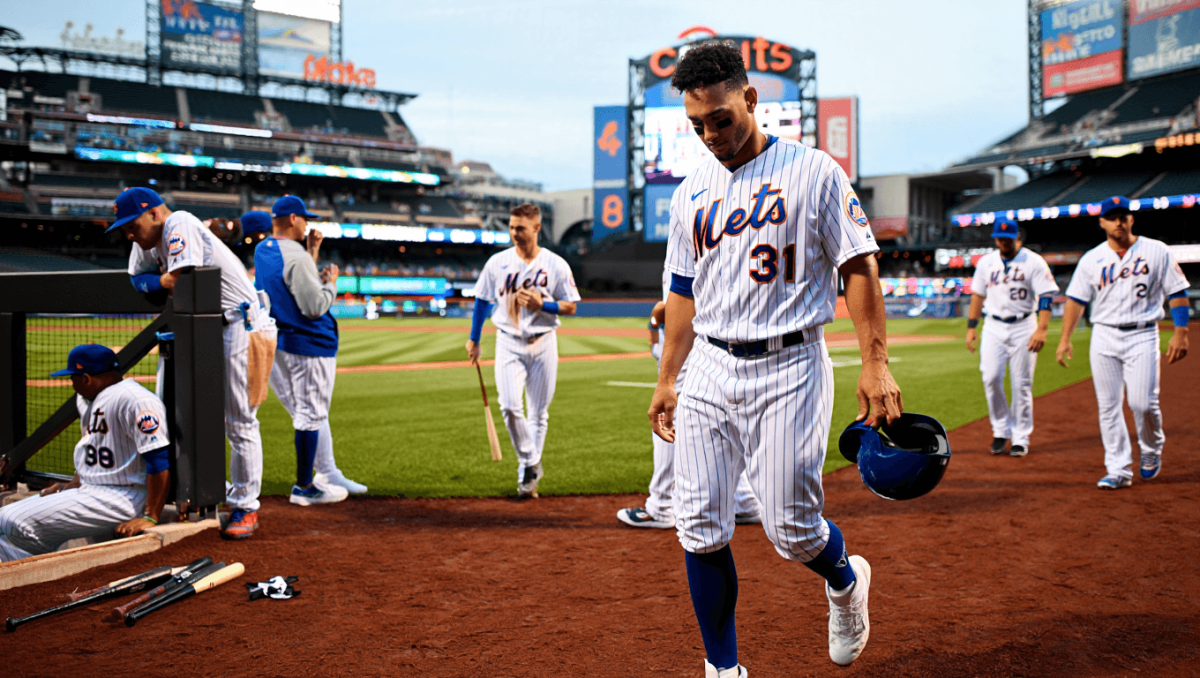
The Mets entered the season with high expectations and heavy payroll commitments, yet results on the field have been uneven at best. Through this calendar year the team has struggled to produce consistent winning baseball, and recent injury setbacks have thinned the roster further.
Boxing champions ditch long runs for high-intensity training: new era in fight prep
Czech nationals among victims of Pinedale-area crash: two confirmed dead
At stake is more than a playoff spot: New York’s front office faces pressure to justify both spending and roster construction as the deadline approaches. If the club fails to string together a sustained run, the most realistic pathway becomes trading assets to reset for 2027 rather than forcing a short playoff push.
- Payroll burden: Big financial commitments leave little room for roster flexibility if wins don’t follow.
- Injuries: The absence of key pieces has exposed depth issues across both lineup and rotation.
- Uneven pitching: The starting staff has lacked reliable top-end performances needed to anchor a contender.
- Limited offensive support: Aside from a handful of standout hitters, the lineup has failed to deliver consistent production.
The short-term consequences are clear: fans and ownership may have to accept a partial rebuild or a trade-deadline reset. Longer term, the Mets’ decisions over the next few weeks will shape offseason planning and the club’s competitive window.
Boston Red Sox
Boston entered the year with playoff expectations that now feel optimistic. The Red Sox have shown flashes of quality but also troubling inconsistency in both pitching and run production, leaving them adrift in a strong division.
From a front-office perspective, the club must weigh whether to convert veteran pieces into prospects or to double down and attempt a midseason rescue. That choice will hinge on whether the team can string together a decisive streak before trade season forces a clearer commitment.
- Inconsistent pitching: Both rotation depth and bullpen reliability have been recurring problems.
- Offensive holes: The lineup has underperformed in key moments, reducing margin for error.
- Playoff math: In a crowded American League, sliding into seller territory is a real risk if winning becomes sporadic.
For supporters, the immediate implication is tempered expectations: while a miracle surge is possible, front-office moves at the deadline will signal whether Boston views 2026 as salvageable or as a stepping stone.
As the July trade deadline approaches, these teams offer a broader lesson about modern roster construction: heavy payroll or name-brand talent alone won’t guarantee October. The coming weeks will reveal whether managements choose to invest for one final push or to harvest assets and rebuild more quietly. Either path will have clear consequences for competitiveness, fan expectations, and the shape of next season’s roster.