Show summary Hide summary
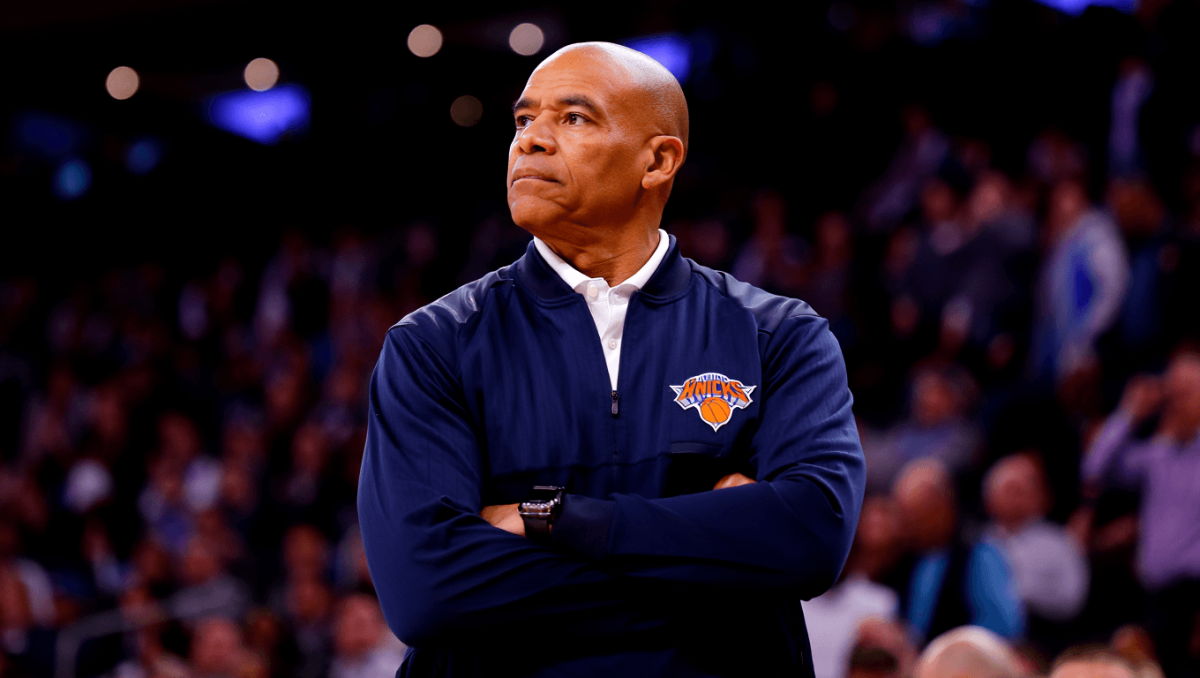
With the Knicks one win away from a rare championship, attention has shifted to their coach, Mike Brown, whose résumé mixes playoff pedigree and abrupt departures. If New York closes the series, the victory would complete a decades-long arc for a coach who has won titles as an assistant but never as the lead architect.
A hire that raised eyebrows
New York’s decision to replace Tom Thibodeau with Brown drew skepticism from some corners. The franchise conducted an extended search that stalled when permission to interview other candidates was denied, and the club ultimately turned to Brown—fresh off a midseason exit with the Sacramento Kings.
Boxing champions ditch long runs for high-intensity training: new era in fight prep
Czech nationals among victims of Pinedale-area crash: two confirmed dead
The ending in Sacramento followed a public rift with his roster after a costly late-game error by guard De’Aaron Fox. The episode crystallized tensions and contributed to the Kings moving on midseason, but it also underscored Brown’s blunt, results-first approach to coaching.
Two decades chasing one ring
Brown’s career has been long and varied. He first came into the spotlight coaching a young LeBron James in Cleveland and reached the 2007 NBA Finals, where his team fell short against a veteran opponent. Since then, Brown has returned to Cleveland, spent time in Los Angeles, and worked as a key assistant during the Golden State Warriors’ dominant run.
Across those stops he collected experience and hardware as part of coaching staffs, but a championship as a head coach has remained elusive.
- Early rise: Became head coach in Cleveland, led the team to the 2007 Finals.
- Big-market test: Brief stint as Lakers head coach amid roster upheaval.
- Return and rebuild: Rehired by Cleveland, later dismissed amid roster and performance issues.
- Warriors era: Assistant under Steve Kerr during a dominant stretch (multiple titles as an assistant).
- Sacramento: Hired as head coach, returned the Kings to postseason relevance before an abrupt midseason separation.
That resume explains why the Knicks took a chance: Brown brings a mix of playoff know-how and veteran coaching instincts. But his career has also been punctuated by high-profile partings and the unanswered question of whether his methods translate to a long, sustained run as a head coach.
What’s at stake now
If New York wins the title, the immediate payoff is tangible: the franchise would end a long championship drought and Brown would capture his first ring as a head coach. For a 56-year-old whose career spans head jobs and assistant roles across multiple markets, that single game could reshape his legacy.
Beyond legacy, there are practical consequences. A championship would validate the front office’s choice to move on from the previous coaching regime and strengthen Brown’s standing in the league; a loss would revive questions about fit, consistency, and management of star talent.
Either outcome carries implications for player relationships, contract decisions and how franchises weigh experience versus fresh approaches in future coaching searches.
Perspective
Coaching narratives in the NBA rarely travel in straight lines. Brown’s path reflects that: early highs, difficult rehiring decisions, a stint alongside one of the game’s most successful head coaches, and then a return to the spotlight in Sacramento and New York.
Tonight’s game is more than a final. For Brown it is a chance to convert long-term credentials into an unmistakable achievement. For the Knicks, it is a shot at history. The result will echo across the league.