Show summary Hide summary
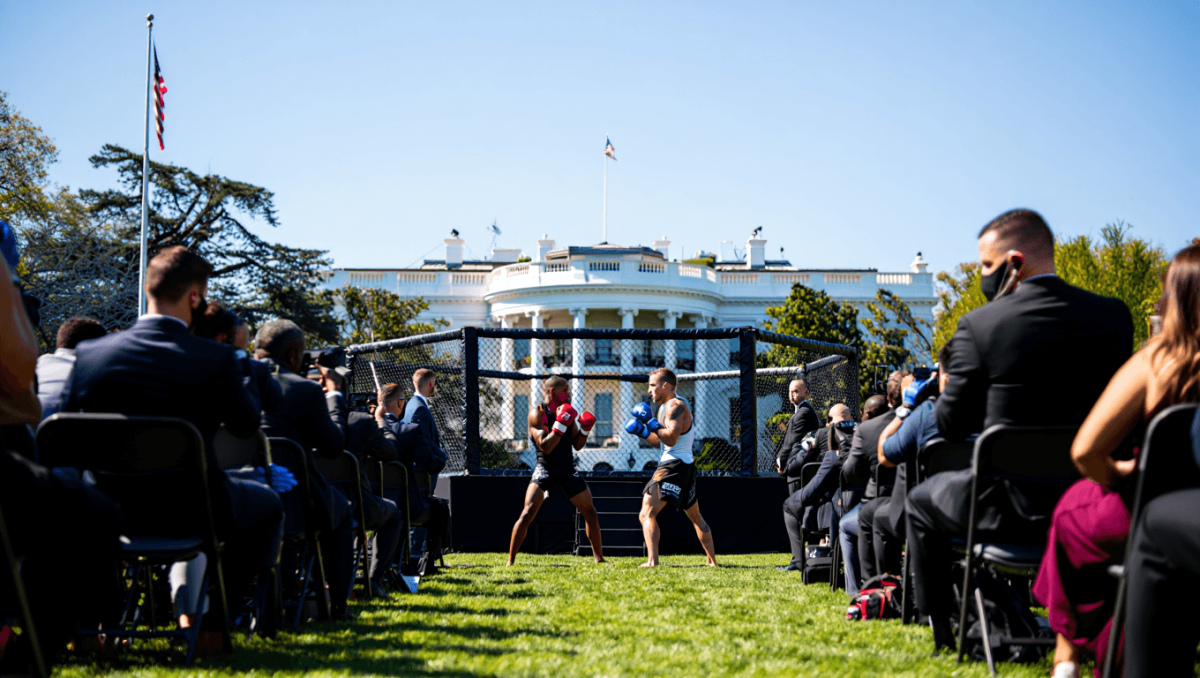
The UFC Freedom 250 is scheduled for this Saturday on the White House lawn in Washington, D.C., transforming an iconic political setting into an unusual arena for mixed martial arts. The compact card assembles several high-profile fighters, and the event’s mix of sport and spectacle guarantees heavy media attention and heated public debate.
Organizers spent months lining up logistics and talent for what promises to be one of the most talked-about combat-sports events this year. While the fight slate is shorter than a typical pay-per-view, its roster includes recognizable names whose presence raises both sporting and political questions.
Who’s on the card
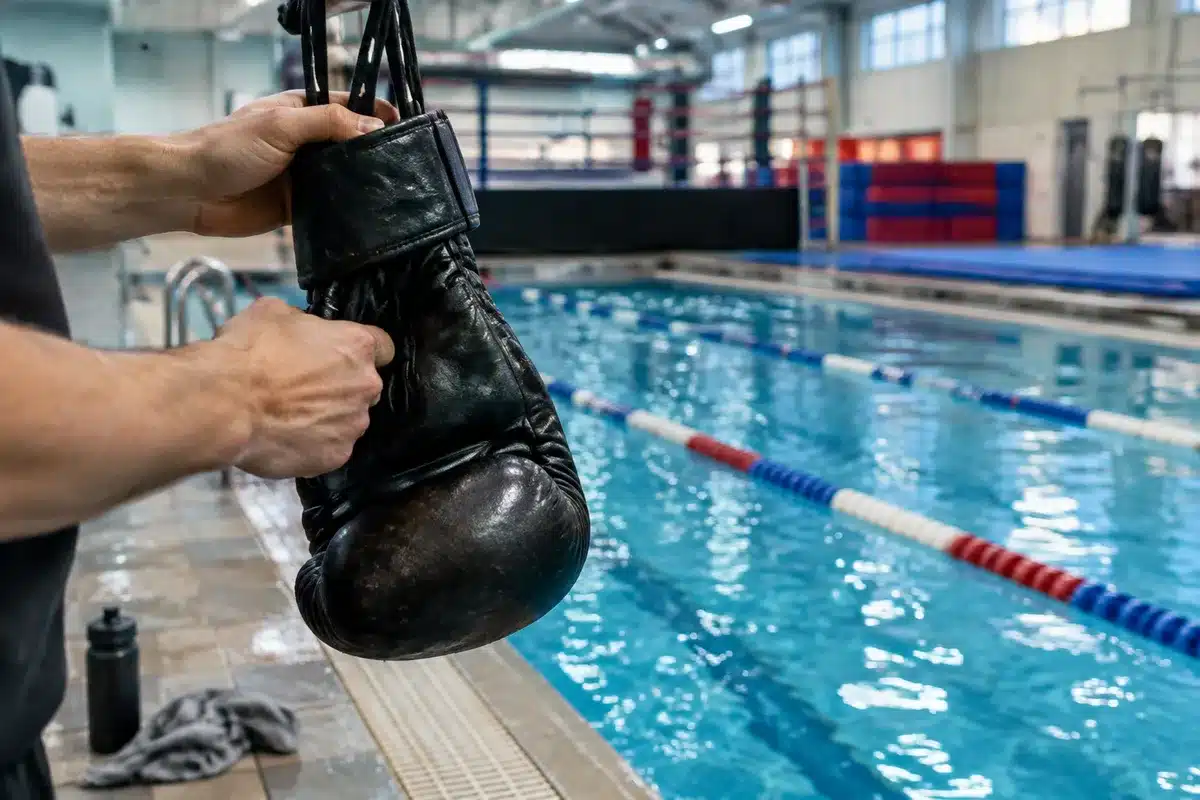
Boxing champions ditch long runs for high-intensity training: new era in fight prep
Czech nationals among victims of Pinedale-area crash: two confirmed dead
- Ilia Topuria — a top contender known for a fast-paced style that often shifts momentum in a single exchange.
- Alex Pereira — a notable striker and former champion in kickboxing and MMA, whose bouts draw interest from casual and hardcore fans alike.
- Sean O’Malley — one of the promotion’s most marketable fighters, valued for his striking and social-media reach.
- Josh Hokit — an emerging prospect; his presence on this brief, high-profile card could amplify a viral moment if he is given any public-speaking opportunities.
- Derrick Lewis — a heavyweight with a history of late-fight drama and a public rapport with some political figures, which has shaped attention around his pairing.
Beyond individual names, the event’s setting alters the usual dynamics of a UFC show. A bout on the White House grounds introduces an element of ceremonial theater not present at arena events, complicating how fans, broadcasters and security officials approach coverage and attendance.
Why it matters now
The timing and location make this more than a sporting card: it’s a cultural moment. Staging MMA at a seat of government raises questions about public resources, crowd control and the line between entertainment and politics. For viewers, the stakes are simple — the event will be judged as much by its fights as by the optics surrounding them.
Television ratings and social engagement are likely to spike, partly because the event merges two major attention drivers: celebrity athletes and an unconventional venue. That combination tends to produce moments that circulate widely across news feeds, driving extended reporting and commentary.
Security will be closely watched. Events near federal buildings typically involve layered coordination among local and federal agencies, and adding a live sports production increases logistical complexity — from camera positions and lighting rigs to rapid medical response for the fighters.
What to watch during the broadcast
Expect the tight schedule to favor decisive finishes. With fewer fights, each matchup carries greater weight for both competitive narratives and broadcast pacing. Keep an eye on how broadcasters frame the political backdrop: commentators’ choices will shape viewer perception of the event’s tone.
There’s also a potential for off-ring moments to eclipse athletic performance. Whether it’s a fighter’s remarks, a guest appearance, or an unexpected incident, these flashes often determine how the story is remembered.
In short, Saturday’s card is compact but consequential. It tests how a major sports brand operates in a politically charged environment and may influence how future crossover events are planned and received.