Show summary Hide summary
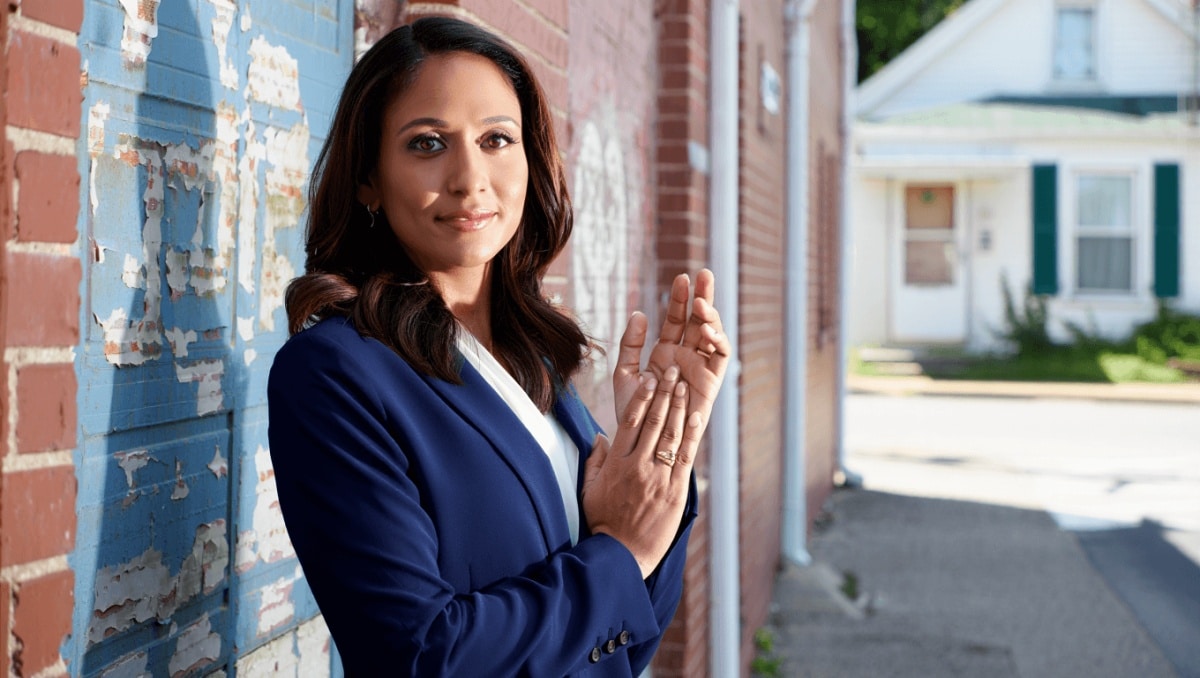
Francesca Hong, a 37-year-old former dishwasher and line cook, has emerged as a surprising left‑leaning contender in Wisconsin’s Democratic gubernatorial primary, setting up a high‑stakes contest ahead of the Aug. 11 vote. In a swing state decided by narrow margins in recent cycles, her campaign is forcing Democrats to weigh ideological purity against perceived electability ahead of what could be a pivotal midterm matchup.
Hong’s pitch blends progressive policy proposals with a personal story aimed at voters frustrated by stagnant wages and rising costs. Her platform — openly labeled by some critics as democratic socialist — includes bold proposals that she says are necessary to reshape state priorities.
What Hong is proposing
Boxing champions ditch long runs for high-intensity training: new era in fight prep
Czech nationals among victims of Pinedale-area crash: two confirmed dead
Her agenda signals a break with center‑left orthodoxy and highlights issues that animated her primary run for state office.
- Policing: Advocates have included calls to defund and abolish traditional police structures, a stance that has drawn intense scrutiny from opponents.
- Economic policy: Support for higher taxes on the wealthy and a $20 minimum wage to lift incomes for low‑paid workers.
- Public services: Plans for a state‑owned bank to fund free health care and child care programs.
- Land use and industry: A proposed moratorium on new data center construction, citing local impacts and energy concerns.
Those positions have energized some progressives, while prompting caution among moderate Democrats and independents who hold sway in statewide contests.
How rivals and Republicans are framing the race
On the GOP side, U.S. Rep. Tom Tiffany — expected to be the Republican nominee — has seized on Hong’s rhetoric to paint the Democratic field as extreme. He has contrasted her social‑policy stances with more conventional options in an effort to consolidate conservative and swing voters.
Within the Democratic primary, more established figures are pressing an electability argument. Mandela Barnes, a former lieutenant governor and 2022 Senate challenger, emphasizes experience and broad appeal; other candidates highlight private‑sector credentials or union endorsements as proof they can win in November.
Recent progressive wins offer context — but not a simple blueprint
Progressive candidates have scored notable victories in city and congressional primaries nationally, feeding a narrative of leftward momentum. Yet Wisconsin’s statewide electorate is different: outside urban hubs like Milwaukee, races are often decided by razor‑thin margins and depend heavily on independent and rural voters.
Milwaukee also has a long history of elected socialists dating back to the early 20th century, and national figures such as Bernie Sanders have shown strong pockets of support here. Still, translating local or congressional progressive success into a statewide win remains an open question.
Why the outcome matters beyond Wisconsin
Control of the governor’s office will shape state policy and administrative decisions for years, including oversight of future election procedures — an issue raised repeatedly by both parties. For Democrats, reclaiming the governorship would be a strategic win; for Republicans, holding it would maintain momentum in a key battleground.
- Short term: The primary will determine who faces a likely Tiffany general election opponent.
- Long term: The governor will influence election administration in 2028 and other consequential policy areas.
Moderate Democrats warn that nominating a candidate perceived as too far left could hand an advantage to Republicans in November, while Hong and her supporters argue that bold proposals can mobilize voters who feel left behind.
Voter reaction and the undecided middle
At campaign events, reactions have been mixed. Some independents say they are open to Hong after hearing her speak, even if the “democratic socialist” label gives them pause. Older voters and some centrists say electability will be the decisive factor.
This tension puts pressure on Democratic strategists who must balance ideological cohesion with the reality that Wisconsin’s recent elections have been decided by very small vote margins.
What to watch before Aug. 11
Attention over the next weeks will focus on fundraising, advertising buys, endorsements from statewide figures and unions, and late momentum among undecided voters. Debates and town halls may also sharpen contrasts on policing, health care and economic policy, shaping perceptions of who can win the general election.
With Wisconsin again at the center of national political debate, the primary will offer an early test of how receptive voters are to progressive platforms in a closely divided state — and what Democratic leaders believe is the best path to victory in November.