
House Democrats have broadened their 2026 battlefield, adding a dozen Republican-held districts — including some that backed Donald Trump comfortably in 2024 — to a national target list now totaling 58 seats. The move signals Democrats’ belief that economic frustrations, immigration debates and turmoil inside the White House could make once-safe GOP areas competitive this November.
The Democratic Congressional Campaign Committee framed the expansion as a response to what it calls broken promises from Republican officeholders, and the new targets stretch from competitive Sun Belt suburbs to reliably red parts of the Midwest and South. Among the newly listed districts is the chair of the National Republican Congressional Committee, Rep. Richard Hudson, underscoring Democrats’ willingness to pursue high-profile incumbents.

Why it matters: flipping enough seats would return control of the House to Democrats for the final two years of President Trump’s second term, reshaping the last half of his agenda and altering oversight of the administration.
Boxing champions ditch long runs for high-intensity training: new era in fight prep
Czech nationals among victims of Pinedale-area crash: two confirmed dead

Selected new targets and why Democrats think they can compete:
- North Carolina’s 9th District — Once a Republican stronghold, this seat is notable because it houses the GOP’s House campaign chairman. Though Mr. Trump carried the district by roughly 15 points in 2024, Democrats point to two developments: the state attorney general, a Democrat, won the district in the same cycle, and the district’s Black electorate has grown by about 15,000 since 2020. The Democratic nominee is Richard Ojeda, a former West Virginia congressional candidate who has name recognition from a 2018 bid.
- Arkansas’ 2nd District — Chris Jones, the Democratic gubernatorial nominee in 2022, is challenging six-term Rep. French Hill in a district Trump won by about 16 percentage points. The area remains roughly one-fifth Black and has expanding Asian and Latino communities; party strategists note a recent uptick in Democratic primary participation as a hopeful sign.
- Florida’s 12th District — Represented by Rep. Gus Bilirakis, this Tampa Bay–area seat was reshaped in last year’s GOP-led redistricting. Analysts say the redraw made the district more favorable to Democrats and reduced its white share by roughly 14 percent, according to Democratic committee analysis. The party is finalizing its nominee and is eyeing Darren McAuley, a former Air Force surgeon, as a leading contender.
- New York’s 21st District — Once reliably Republican at the congressional level and carried by Mr. Trump by about 21 points in 2024, this seat is now open after Rep. Elise Stefanik opted not to run for reelection while pursuing statewide ambitions. The GOP nominee is businessman Anthony Constantino, a Trump ally self-funding his bid; Democrats have nominated Blake Gendebien, a dairy farmer, seeking to flip the seat back after years of Republican control.

Those additions reflect a two-pronged strategy: pursue vulnerable incumbents in competitive suburbs while contesting GOP-held seats that have seen demographic change or candidate weakness. Democrats are betting that local dynamics — turnout, candidate quality and shifting voter composition — can overcome recent Republican advantages in these districts.
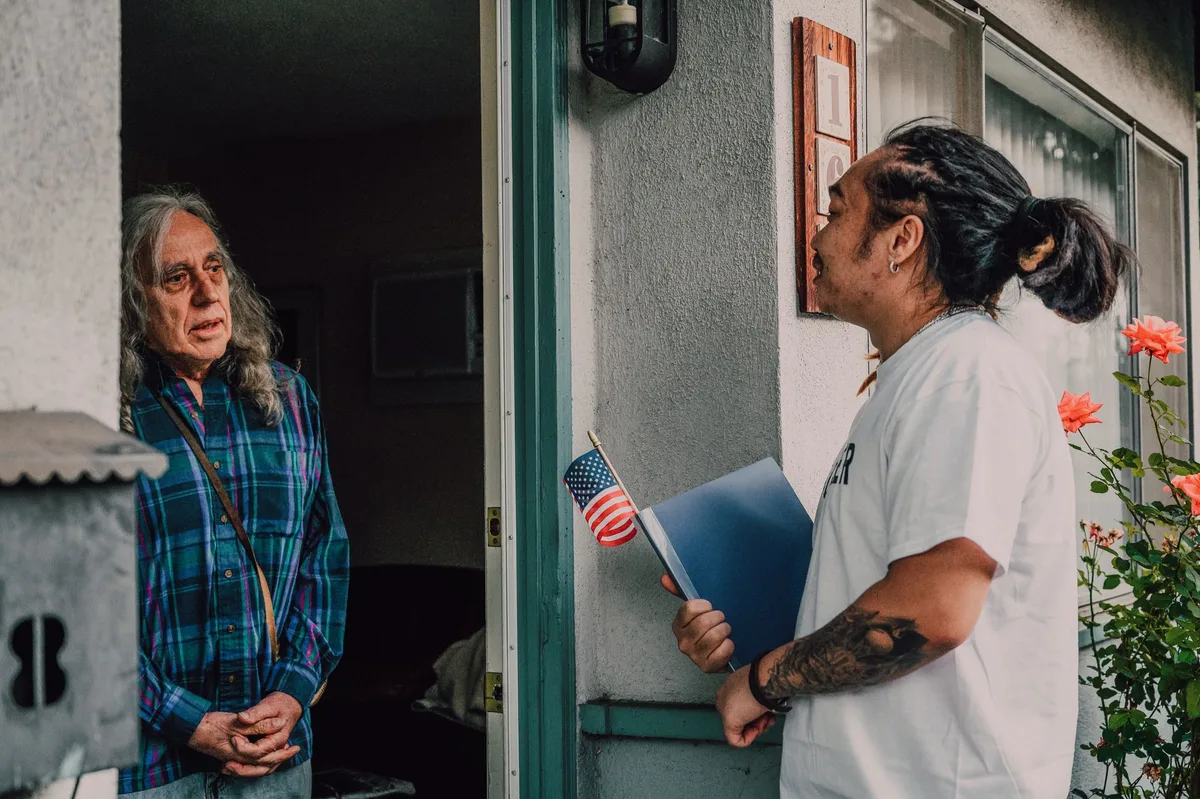
Not every target is equally attainable. Some are long shots meant to force Republican resources to stretch; others are viewed internally as realistic pickup opportunities. Party leaders emphasize ground operations and voter outreach in the months ahead, arguing that economic concerns and voter weariness with political chaos could tilt close races.
The campaign calendar leaves limited time. Primary contests are wrapping up, fundraising continues, and both parties are preparing for a high-stakes fall where a relatively small number of seats could determine control of the House and shape oversight of the Trump administration’s final term.