As Lincoln Riley begins his fifth season at USC, the Trojans enter 2026 under a familiar spotlight: national expectation and a hard deadline. The question this summer is straightforward — can Riley finally deliver USC its first appearance in the expanded College Football Playoff under his watch, or will the program slide into another season of “almost”?
Riley arrived with the explicit mission of restoring USC to title contention, and the program’s narrative remains centered on that promise. Fans point to seasons that would have qualified under a 12-team playoff format as proof the foundation is there; skeptics note mixed results in big moments since Pete Carroll’s exit.
There are tangible reasons for optimism going into 2026. The Trojans retain their starting quarterback, Jayden Maiava, who took over midseason in 2024 and has already produced elite passing numbers. In 2025 he averaged 285.5 yards per game (good enough for sixth nationally) and finished the year with 3,711 passing yards.
Boxing champions ditch long runs for high-intensity training: new era in fight prep
Czech nationals among victims of Pinedale-area crash: two confirmed dead
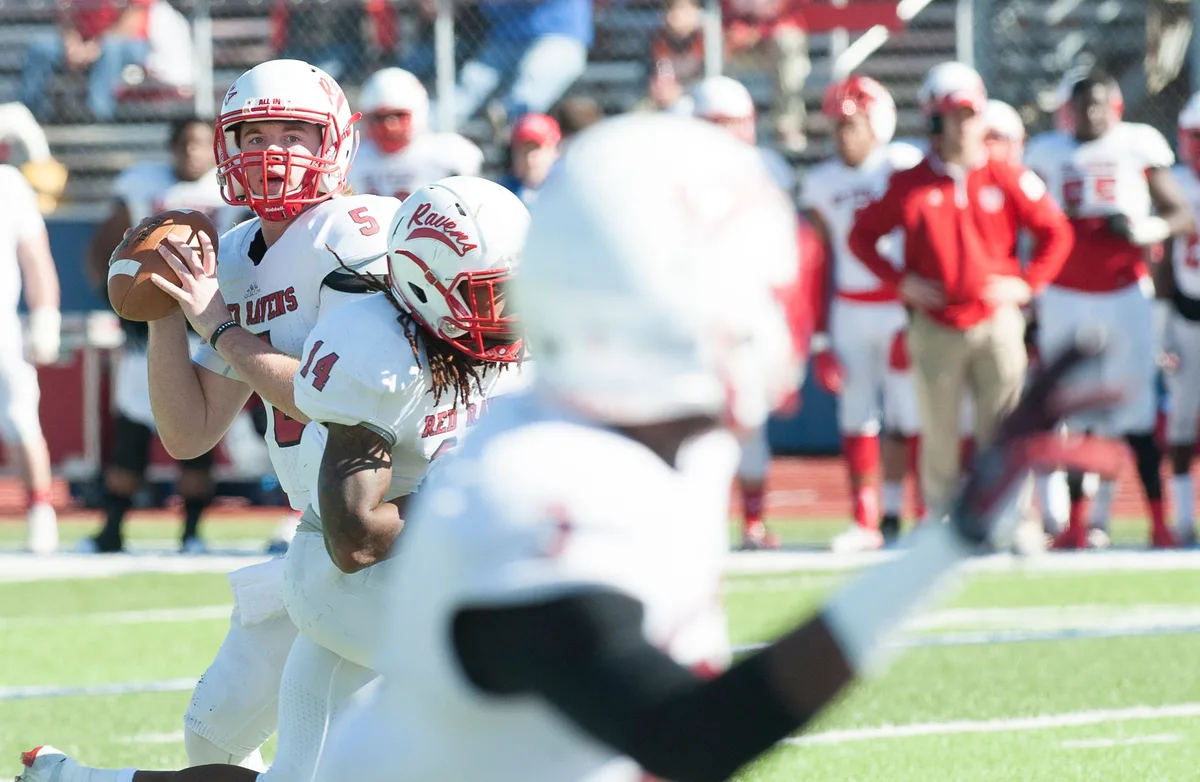
Health is another variable that could swing USC’s season. King Miller emerged as a lead back after Waymond Jordan’s ankle injury, and a fully healthy duo would give the Trojans a rare one-two rushing threat — a pairing that hasn’t produced two 1,000-yard rushers in the same USC season since 2005.
The most consequential offseason hire was the addition of Gary Patterson as defensive coordinator. Patterson’s reputation was built at TCU, where his units routinely ranked among the nation’s most physical and disciplined. His preferred 4-2-5 alignment is expected to emphasize speed and takeaways while addressing one of USC’s larger weaknesses from last year: opponents averaged about 4.4 yards per carry against the Trojans.
- Quarterback stability: Maiava’s return preserves continuity at the game’s most important position.
- Running game depth: Miller and Jordan combined could form a complementary rushing attack.
- Defensive overhaul: Patterson’s 4-2-5 scheme targets improved run defense and more disruptive front-seven play.
- Coaching continuity: Five years under Riley creates clearer expectations for systems and recruiting.
USC’s path is not theoretical — it runs through a trio of high-profile matchups that will define the season early. Last year’s scoring averages for those opponents underline the challenge: Ohio State (33.4 points per game), Oregon (36.9), and Indiana (41.6). How Patterson’s defense responds against high-powered offenses will be crucial.
Riley has reiterated that winning is the baseline expectation. Paraphrasing his message at recent media events, he views the current roster and staff alignment as the strongest he’s had at USC and argues the program has built real, measurable momentum.
That momentum will be tested in the coming months. A strong start — particularly wins in the marquee contests — would validate the offseason moves and solidify USC’s Playoff résumé. Conversely, struggles against top opponents would reopen familiar questions about roster construction and whether this coaching era can meet the program’s long-standing championship mandate.
What to watch this season
- How quickly the defense adapts to Patterson’s 4-2-5 responsibilities and whether it reduces opponents’ rushing efficiency.
- Maiava’s consistency against top-tier pass defenses and his ability to protect a rising running game.
- Depth and injury management in the trenches, which will determine if USC can sustain success through a long season.
In short, 2026 will reveal whether the Trojans’ pieces finally coalesce into a Playoff-caliber team or whether another autumn ends with questions left unanswered. For a program with national expectations, the stakes are immediate: wins against quality opponents will restore momentum and recruiting advantage; losses will extend a narrative of unfulfilled potential.