Show summary Hide summary
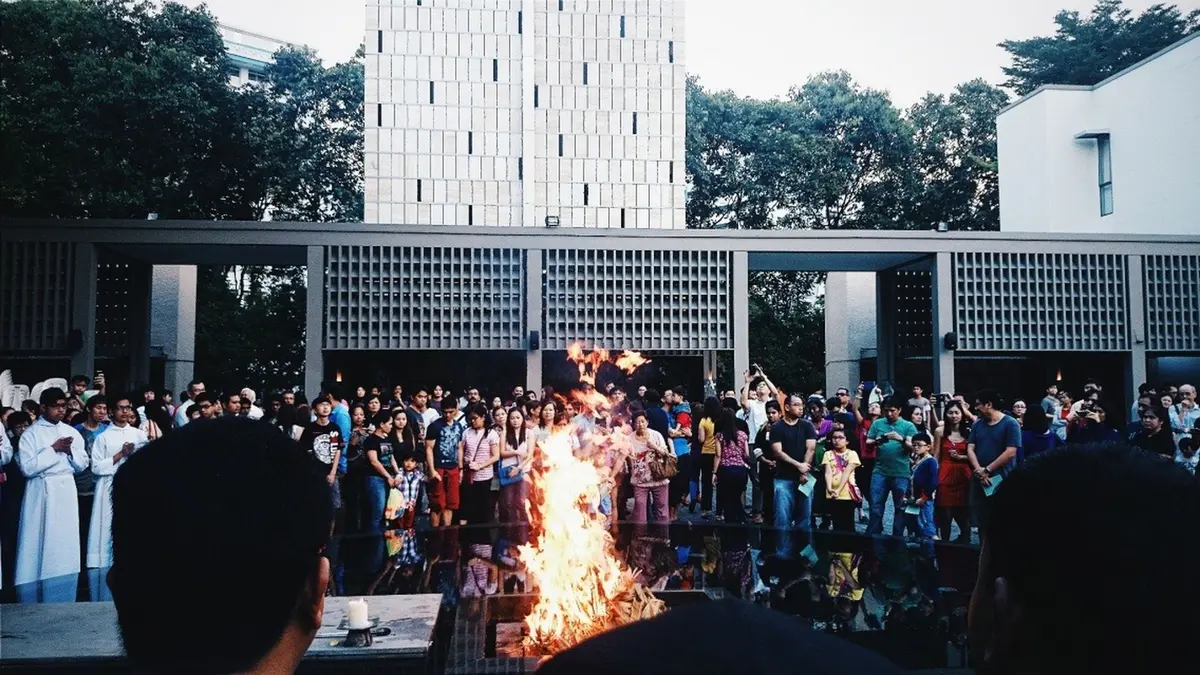
As crowds gather in Buenos Aires and small towns across the country, many Argentines are treating Pope Leo’s visit as more than a religious event — it is a rare moment of collective hope amid persistent economic strain. With prices rising and household budgets stretched, the papal trip is being watched for both its symbolic comfort and its short-term economic consequences.
Why this visit matters now
Inflation and stagnant wages have left large segments of the population feeling vulnerable. For those people, the pope’s presence offers moral support and visibility for social needs that everyday headlines can no longer fully convey. At the same time, officials and business owners are gauging whether the visit will translate into tangible relief for local communities.
Boxing champions ditch long runs for high-intensity training: new era in fight prep
Czech nationals among victims of Pinedale-area crash: two confirmed dead

Religious gatherings of this scale draw international media and pilgrims, and that attention can momentarily shift the conversation from politics to social solidarity. But experts caution that symbolism is not a substitute for structural reform: the real economic questions — jobs, prices and fiscal stability — will remain after the crowds disperse.
Immediate impacts on streets and pockets
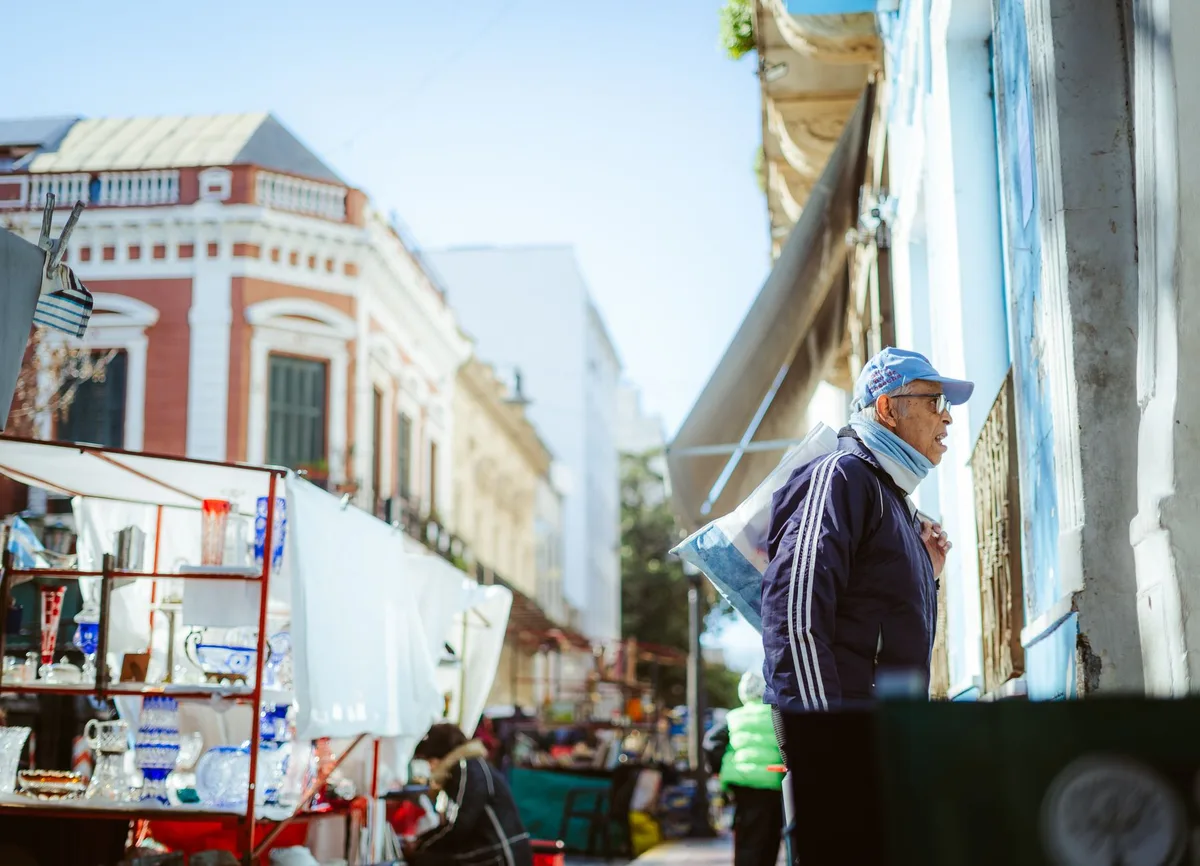
The pope’s itinerary brings a mix of opportunities and costs across neighborhoods. Local vendors and small hotels often report a spike in sales during high-profile religious events, while transport firms and informal sellers move to meet demand. Yet city governments typically face higher expenditures for security, crowd control and sanitation.
Those competing effects matter now because public coffers are already under pressure. Budgetary trade-offs — whether money is redirected to pay for extra policing or to support community programs tied to the visit — can influence how benefits are felt on the ground.
- Short-term boost: Increased foot traffic often lifts local commerce, particularly in hospitality and retail.
- Charitable mobilization: The visit can catalyze donations and attention to struggling parishes and relief organizations.
- Public spending: Extra security and logistics carry immediate costs for municipal and national budgets.
- Media spotlight: International coverage may highlight Argentina’s social needs, but it does not guarantee long-term aid.
Faith, politics and public expectation
For many citizens, the pope’s arrival is primarily spiritual — a chance for consolation and communal prayer. Yet in a country where Church and state often intersect in public debates, the visit is inevitably read through a political lens.
Government officials typically emphasize the unifying potential of such events, while opposition figures may raise questions about priorities and spending. That conversation matters because public perception can influence policy choices, especially in an election year or amid protests over economic hardship.
What the visit will not do
It’s important to be realistic: a papal visit is unlikely to resolve the structural roots of Argentina’s economic problems. Long-term solutions require fiscal policy adjustments, investment, and labor-market changes that take time and political consensus.
What the visit can do — and often does — is focus attention and channel immediate assistance to vulnerable groups. Relief organized by churches and charities can offer temporary help to families who need it most, providing food, shelter or legal aid in the weeks surrounding the event.
Voices from the neighborhoods
In working-class districts, conversations mix gratitude with pragmatism. Some residents say the pope’s message renews hope and civic solidarity; others express concern that the excitement will fade without concrete economic measures. These mixed reactions underscore how the visit operates on two levels: spiritual reassurance and practical expectation.
For small business owners selling food or souvenirs near gathering sites, the days of higher sales are welcome. But they also know that the sustained recovery they need depends on broader economic stability, not a single weekend of increased demand.
Looking ahead
In the days after the pope leaves, the immediate economic effects will be measurable in local receipts, public bills and the reach of charitable drives. The longer-term political and economic consequences will be subtler: renewed public pressure on leaders, potential shifts in municipal spending priorities, and the persistence of social narratives that may influence policy debates.
Whether Pope Leo’s visit becomes a turning point or a brief respite depends largely on what follows — how institutions and political actors translate the visit’s moral urgency into sustained policy responses. For many Argentines, the visit is at least a temporary balm in hard times; for others, it is a reminder that hope must be matched by concrete action.