

Show summary Hide summary
Wall Street is bracing for a trio of government reports this week that could reshape expectations for interest rates and consumer behavior. The upcoming releases on inflation and retail activity will give investors a clearer read on price pressures and how households are spending their money.
What’s coming and why it matters
Three headline figures arrive across the week: the monthly update on consumer prices, a measure of producer-level costs, and the retail sales snapshot. Together they offer a near–real-time account of where inflation stands and whether Americans are still opening their wallets.
Boxing champions ditch long runs for high-intensity training: new era in fight prep
Czech nationals among victims of Pinedale-area crash: two confirmed dead

- CPI (Consumer Price Index) — midweek: A detailed tally of prices paid by consumers across categories from groceries to services. Economists are watching for signs that headline inflation remains elevated, with many forecasts pointing to a rate still above 3%.
- PPI (Producer Price Index) — day after: Tracks costs paid by businesses before products reach shoppers. A rise here can foreshadow future consumer price gains if firms pass costs along.
- Retail sales — end of week: Reports monthly sales across a broad set of merchants and provides a direct window into consumer spending patterns and which sectors are expanding or contracting.
How financial markets will use the data
Traders and economists will parse the sequence closely. A persistent CPI reading higher than expected would amplify concerns that inflation is stickier than the Federal Reserve wants, increasing the odds of further policy tightening before year‑end.
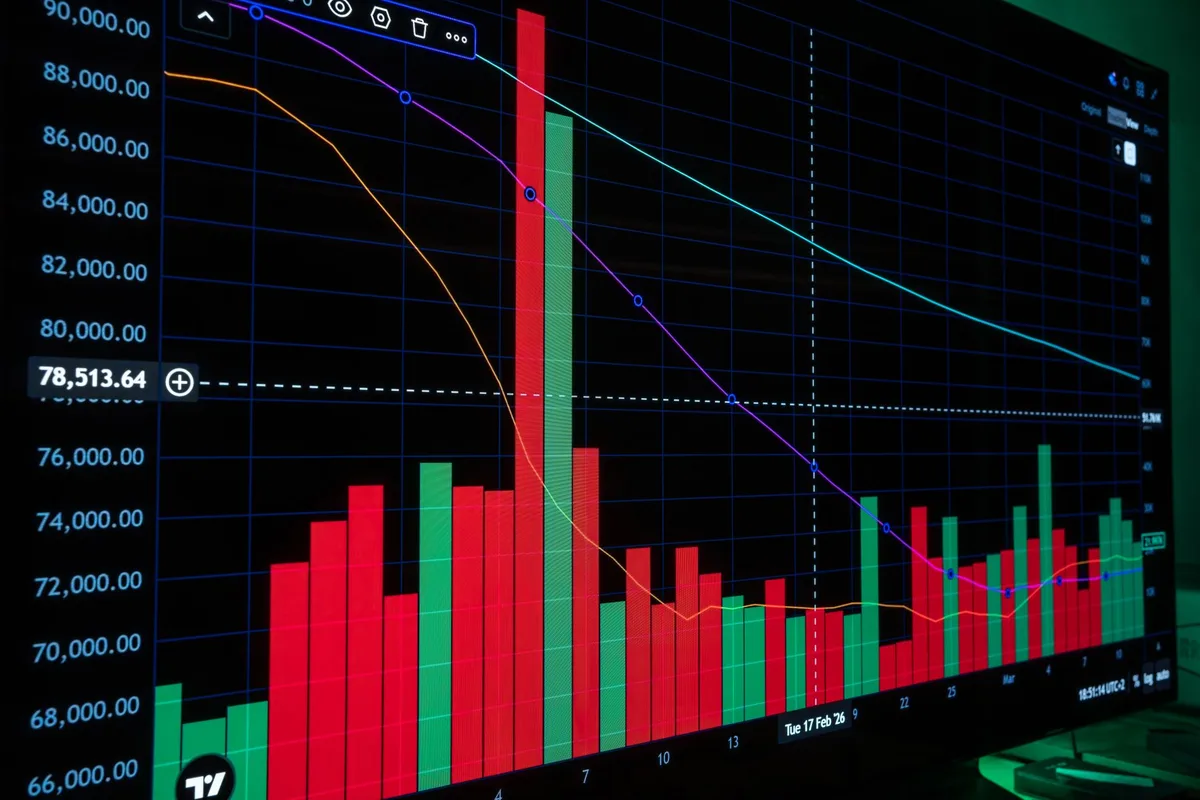
Conversely, a softer CPI and muted PPI growth could ease pressure on markets and lower expectations for near‑term rate hikes. Retail sales will be read as the behavioral counterpart: strong spending could sustain corporate earnings, while a pullback would signal consumers are feeling the pinch.
These reports don’t move markets in isolation. Analysts will dig into components — energy, shelter, autos, services — to judge whether price moves are broad‑based or concentrated. That detail matters: targeted price increases may require different policy and business responses than economy‑wide inflation.
Immediate implications for readers
Households and borrowers should watch how these numbers influence borrowing costs, including mortgage and credit‑card rates. For investors, the releases will inform short‑term positioning in stocks, bonds and interest‑rate sensitive assets.
In short: this week’s data will help determine whether inflation remains a central problem for the U.S. economy and how aggressively the Federal Reserve may act to bring price growth under control.