Colombia’s newly sworn-in president has signaled a clear pivot in energy policy, backing expanded oil and gas development as a near-term economic priority. That shift, announced shortly after taking office, immediately focuses attention on how Bogotá will balance short-term revenue needs with long-term climate and social commitments.
Officials have framed the move as pragmatic: increasing hydrocarbon production and attracting investment are being presented as tools to stabilize public finances, boost job creation in energy regions and secure domestic fuel supplies. Supporters argue that a stronger oil and gas program can provide predictable income while the country scales up renewable capacity more gradually.
But the change carries trade-offs. A renewed push for exploration and production risks straining Colombia’s commitments under international climate agreements and could deepen tensions in territories where fossil-fuel projects intersect with indigenous lands and fragile ecosystems. Legal battles and local opposition have previously delayed projects and could resurface if approvals accelerate without broader consultation.
Boxing champions ditch long runs for high-intensity training: new era in fight prep
Czech nationals among victims of Pinedale-area crash: two confirmed dead
Market reaction is likely to be mixed. Energy companies and investors typically respond favorably to clearer, pro‑industry signals that promise streamlined permitting and fiscal incentives. At the same time, global demand uncertainties and growing scrutiny of fossil-fuel investments from international financiers mean this is not a simple path to guaranteed capital inflows. Analysts note the risk of “stranded assets” if demand falls faster than anticipated.
Policy levers Bogotá might use include revising royalties and taxes, relaunching licensing rounds, shortening environmental review timelines, and offering investment guarantees. Each of these would alter the sector’s economics and could be introduced through executive actions or require legislative approval, making the political calendar an important constraint.
Domestic and international consequences to watch
– Fiscal outlook: Increased oil revenues could ease budget pressures in the near term but would make public finances more dependent on volatile commodity prices.
– Investor confidence: Clearer rules and incentives could attract capital, yet many global funds are wary of fossil-fuel exposure.
– Climate commitments: Faster oil and gas development could complicate delivery of Colombia’s nationally determined contributions under the Paris Agreement.
– Social conflict: Projects in frontier regions often face resistance from local communities; faster approvals risk reigniting protests and court challenges.
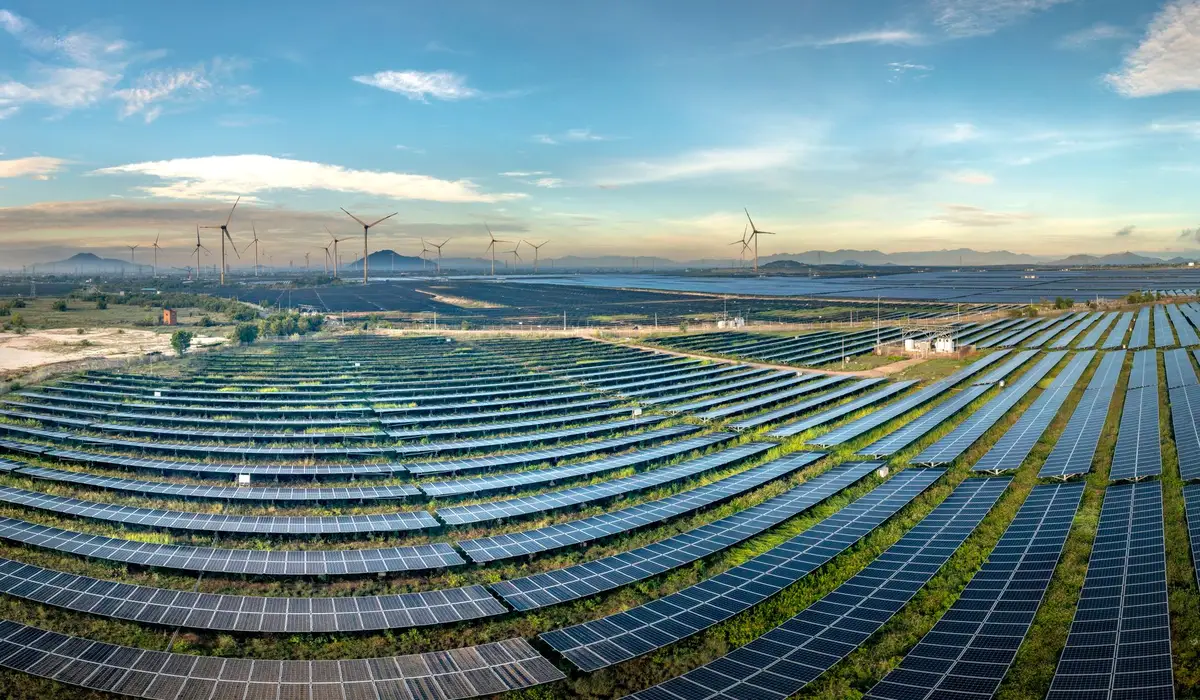
– Energy transition pace: A dual approach—supporting hydrocarbons while expanding renewables—raises questions about sequencing and financing.
Voices across the political spectrum are already positioning themselves. Environmental groups warn that prioritizing hydrocarbons undermines long-term resilience, while business leaders emphasize immediate economic relief and energy security. International partners will also be watching—particularly lenders and climate-focused investors whose capital choices can influence which projects move forward.
What happens next will matter more than the initial announcements. Key signposts include cabinet appointments, the content of any executive decrees, proposed budget changes, and the scheduling of licensing rounds. How the administration communicates safeguards for communities and the environment will shape whether the policy shift proceeds smoothly or becomes mired in legal and social disputes.
Colombia’s choice highlights a broader dilemma facing resource-rich emerging economies: how to balance urgent development needs against an accelerating global energy transition. The coming months will reveal whether the new approach delivers the fiscal and social stability its advocates promise—or whether it prompts renewed conflict over the nation’s energy future.