Show summary Hide summary
Africa’s biggest economies are racing to build local solar manufacturing as a way to cut import dependence, create jobs and shore up fragile power systems — but the continent still relies heavily on Chinese-made components. That push matters now: expanding domestic capacity could reshape energy markets, industrial policy and which countries capture the economic benefits of Africa’s solar boom.
Which countries are moving fastest
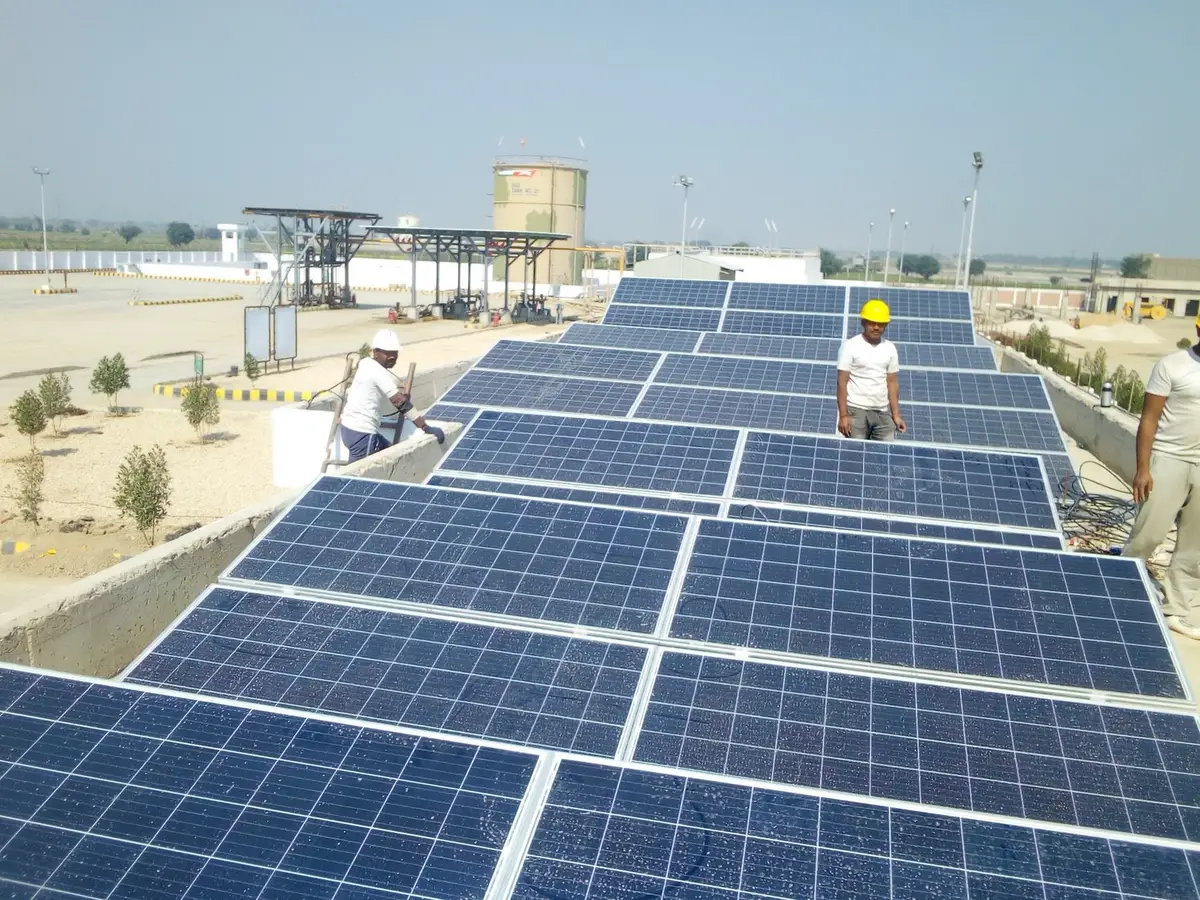
Governments and utilities across the continent are investing in factories and assembly lines. South Africa, Morocco, Nigeria and Ethiopia are most active, each pursuing different mixes of local assembly, joint ventures and larger industrial projects.
Boxing champions ditch long runs for high-intensity training: new era in fight prep
Czech nationals among victims of Pinedale-area crash: two confirmed dead
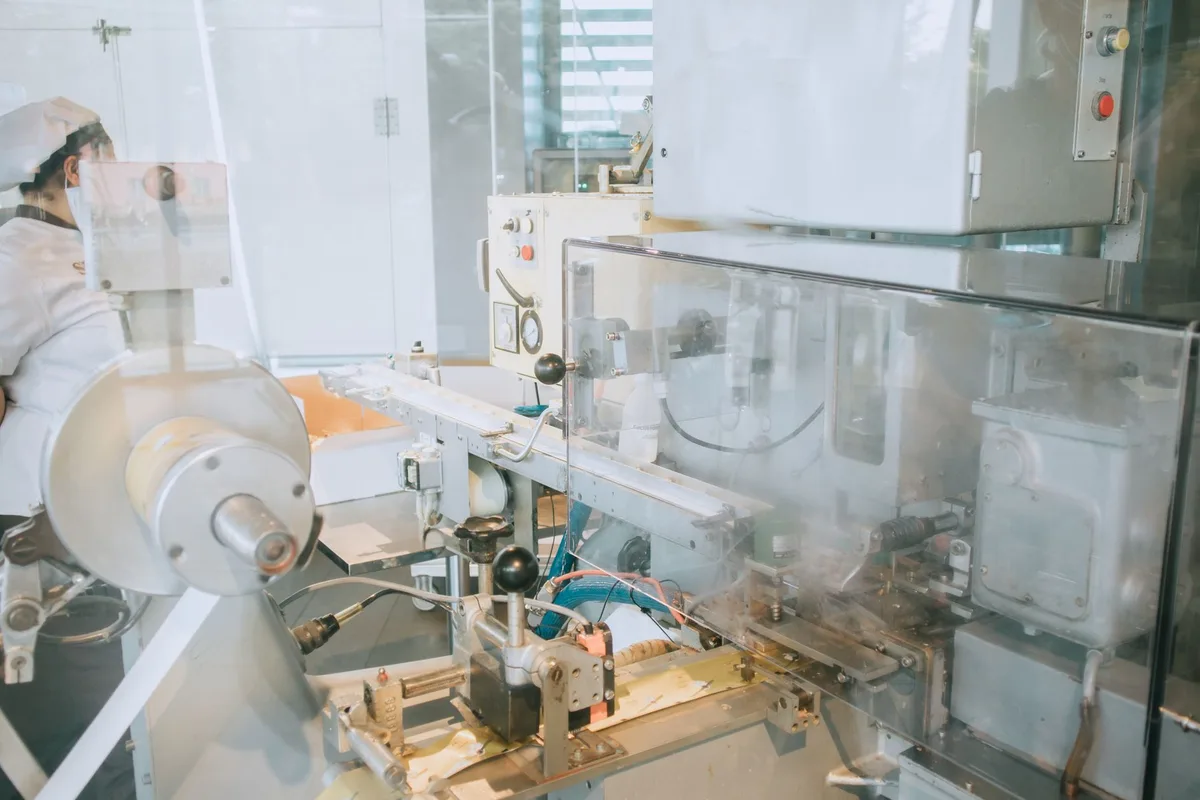
South Africa’s state utility has announced plans for a 1-gigawatt solar manufacturing site intended to keep more value inside the country as rooftop and distributed systems eat into grid demand. In Nigeria, panel assembly capacity has climbed from roughly 120 megawatts to around 300 megawatts in the past two years, according to industry observers. Morocco and Egypt are also scaling up output toward gigawatt-scale levels.
| Country | Reported local capacity (approx.) | Recent development |
|---|---|---|
| South Africa | ~3 GW annual imports; domestic assembly growing | Eskom plans a 1 GW manufacturing facility to capture more value |
| Nigeria | Assembly rose to ~300 MW | Rapid expansion of local panel assembly in two years |
| Morocco | ~1 GW annual production | Production approximately doubled recently |
| Ethiopia | Multiple announced projects | Popular destination for foreign greenfield investments |
Why China still dominates
Despite new plants in Africa, the continent largely lacks upstream production of solar cells and other high-value components. That means many local factories import wafers, cells and modules — mostly from Chinese suppliers — and perform final assembly rather than full-scale manufacturing.
China’s role has been amplified by a domestic oversupply of solar equipment and sustained state support for green industries. Think tanks tracking global flows estimate tens of billions of dollars in Chinese renewable investment into Africa over the past decade and beyond, and Chinese firms have been exporting record volumes of solar equipment in recent months.
Some large Chinese manufacturers reported losses in early 2026, and companies have pledged hundreds of billions in overseas green manufacturing projects over the last decade, industry analysts say. Moving production abroad is one strategy Chinese firms are using to manage excess capacity at home.
Limits to technology transfer
Experts emphasize that while Chinese capital and projects help build factories and skills, deep transfer of the most advanced know‑how remains limited. Local assembly lines are an important first step, but they do not yet substitute for full integration of the solar supply chain.
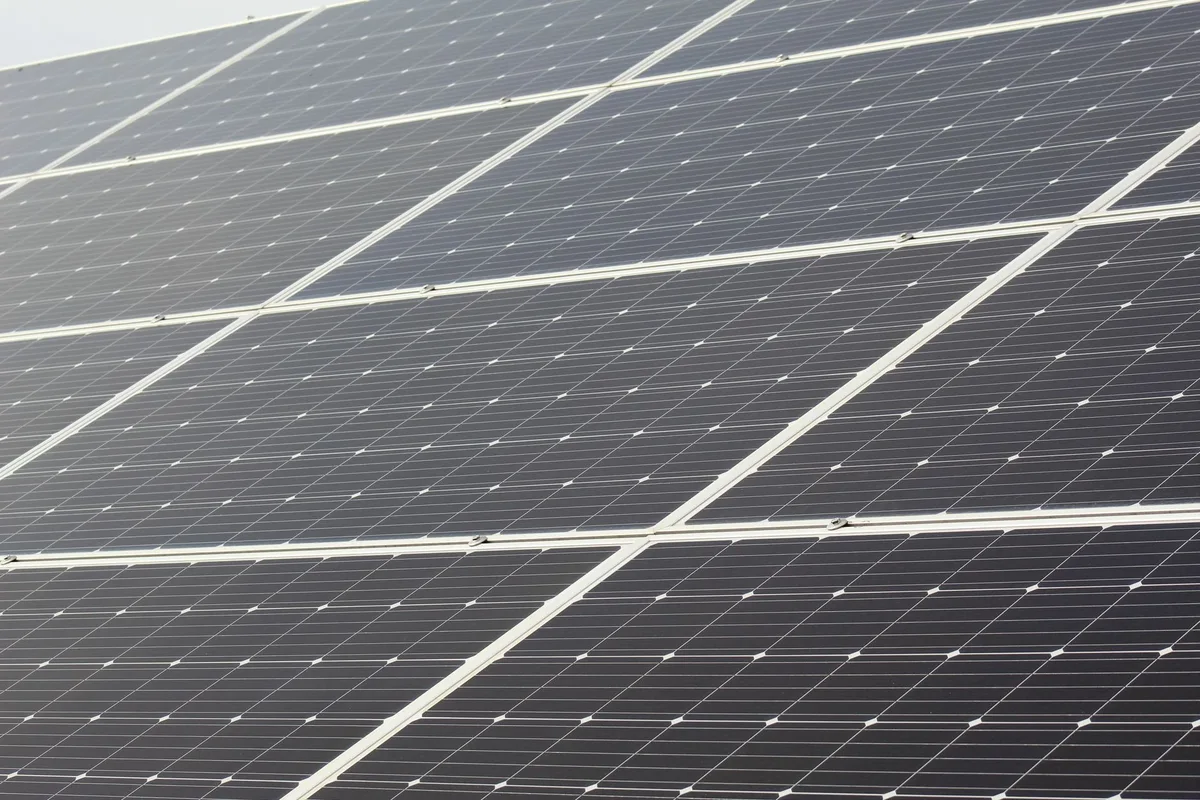
As one industry figure put it, many African factories are assembling imported parts rather than producing the upstream components that capture the larger margins and technical expertise.
- Energy security: Local manufacturing can reduce vulnerability to international shipping disruptions and trade policy shifts.
- Jobs and skills: Plants create employment and technical training opportunities, though high-value roles often remain scarce.
- Economic value: Without upstream production, most profit from solar manufacturing continues to flow offshore.
- Market dependency: Heavy reliance on imported cells and modules keeps African markets sensitive to global price swings.
Geopolitics and market direction
Trade measures in the U.S. and Europe have nudged some Chinese manufacturers to seek growth markets elsewhere, including Africa and Southeast Asia. Observers note that Ethiopia has drawn a large share of announced foreign greenfield investments in recent years, while projects in South Africa, Nigeria and Morocco often involve local partners or domestic firms.
Think tanks tracking off‑grid and distributed solar sales report continued demand growth across the continent. More than 10 million solar home systems were sold in 2025, reaching an estimated 148 million people, a rise that underlines how quickly consumer and small-scale utility markets are expanding.
What to watch next
Short term, expect more assembly plants and targeted investments aimed at specific segments of the value chain. Over the medium term, whether Africa gains deeper manufacturing capability will depend on policy choices, access to finance, and the willingness of major suppliers to share advanced technology.
Many analysts still forecast that China will remain the principal supplier for critical upstream components, even as African countries strengthen their downstream industry. For policymakers and investors, the challenge is balancing near-term gains from assembly with long-term strategies to capture broader industrial benefits.
In the coming years, the balance between imported inputs and genuine local production will determine who profits most from the continent’s solar expansion — and how resilient African power systems become to future shocks.