

Show summary Hide summary
The Trump administration has signaled it will press ahead with efforts to remove Federal Reserve governor Lisa Cook, a move that would trigger a high-stakes legal and political confrontation over the limits of presidential power and the independence of the central bank. If carried out, the attempt would test long-standing legal protections for Fed officials and could unsettle markets that rely on a predictable policy-making process.
What the action would mean
Removing a sitting Fed governor is rare and legally complex. Members of the Federal Reserve Board hold long, staggered terms by design to insulate monetary policy from short-term political pressure. Legal scholars say the administration’s push would force courts to clarify how far a president may go in dismissing independent-agency officials.
Boxing champions ditch long runs for high-intensity training: new era in fight prep
Czech nationals among victims of Pinedale-area crash: two confirmed dead
The stakes are both institutional and practical: a successful removal could shift the balance of influence at the Fed, affect interest-rate deliberations, and signal to investors and global counterparts that central bank independence is more fragile than previously assumed.
Legal hurdles and precedent
Under current doctrine, many independent agency officials can be removed only “for cause,” not simply for policy disagreements. That standard traces to decisions intended to protect regulatory agencies from political interference. Recent Supreme Court rulings, however, have complicated the landscape by narrowing or reshaping those protections in some contexts.
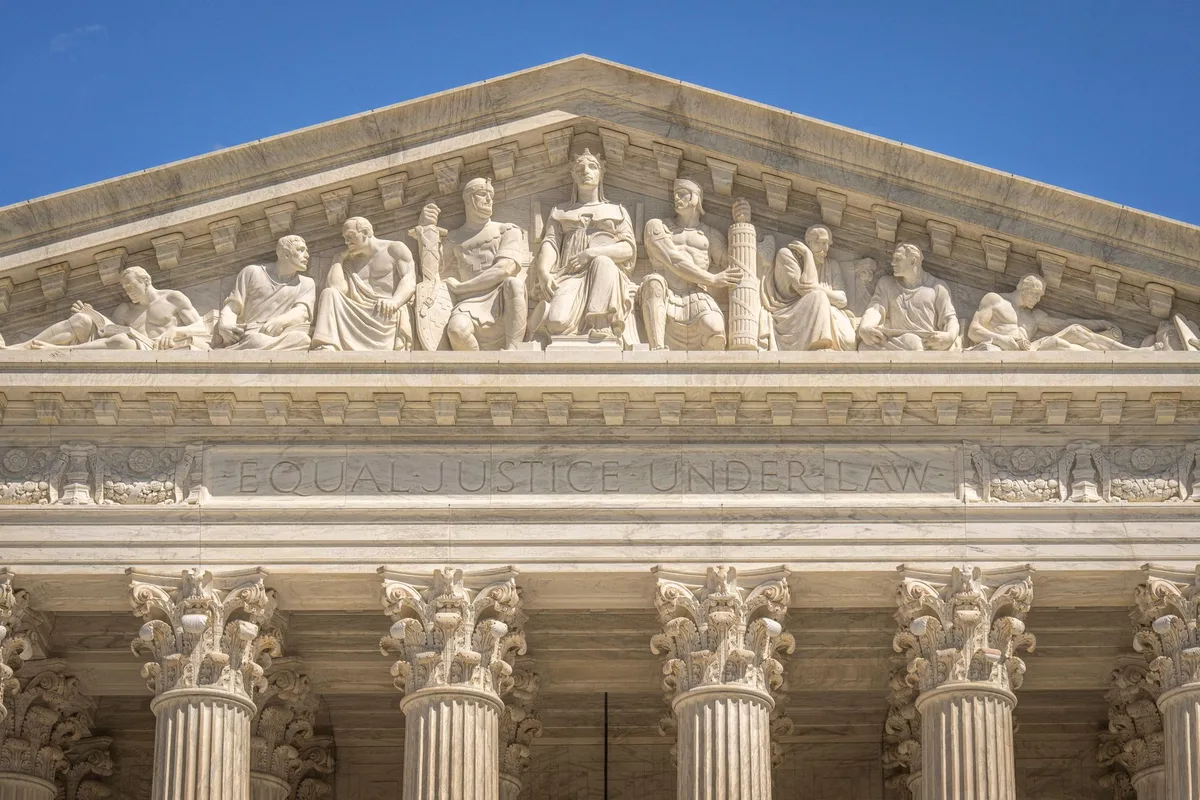
Legal questions likely to be litigated include whether the president can remove a multi-member board member for policy differences, what counts as legitimate “cause,” and how past rulings apply to the Fed’s governance structure. Lawyers on both sides are expected to file rapid briefs and seek expedited review if the administration moves from notice to formal removal.
Political fallout
A public attempt to oust a Fed governor would immediately become a partisan flashpoint. Congressional Republicans who support assertive executive power may applaud the move, while Democrats and some centrist critics will likely view it as an attack on a key institutional firewall against politicized monetary policy.
Several outcomes are possible: congressional hearings, emergency court proceedings, or negotiated settlements that avoid a protracted legal battle. Each path carries different political costs and could reshape relationships between the White House, Capitol Hill, and the Fed.
- Immediate legal test: Whether removal for policy reasons satisfies “for-cause” standards or whether courts restrict such dismissals.
- Market sensitivity: Investors tend to react strongly to threats to central-bank independence; volatility in bond and equity markets is a plausible near-term outcome.
- Institutional precedent: A successful removal could lower barriers for future administrations; a failed attempt would reinforce existing protections.
- Operational impact: The Fed’s internal deliberations and public communications could become more cautious while uncertainty persists.
Analysts caution that the mere prospect of a removal fight can be disruptive. Even before any court ruling, debate and uncertainty about the Fed’s autonomy could alter expectations for interest rates, inflation control, and the central bank’s credibility.
What to watch next
Key signals to follow in the coming days and weeks include whether the administration files formal charges or legal notices, how quickly the Fed itself responds, and whether Congress moves to hold hearings. Court filings and statements from financial market regulators will also shape the narrative and the likely outcomes.
At the center of this unfolding story is a broader question about the separation between politics and monetary policy. Whatever the immediate legal result, the episode will influence public debate about how independent public institutions should remain when political actors seek rapid policy outcomes.