
Show summary Hide summary
Federal courts have recently dealt a series of setbacks to efforts by the Trump administration to obtain fully unredacted voter records from state election systems, prompting fresh questions about privacy, state control of election data and the limits of federal investigative power. The rulings — emphasizing narrow legal standards and the sensitivity of personal information — have immediate implications for voters, election officials and ongoing probes into election-related activity.
Judicial pushback on broad data demands
Judges handling these cases have repeatedly flagged two recurring problems: requests for complete, unredacted datasets are often too sweeping, and they risk exposing highly personal information without clear legal justification. Courts have emphasized that any federal demand for state-held election information must be carefully tailored to a legitimate investigative purpose and consistent with statutory protections.
Boxing champions ditch long runs for high-intensity training: new era in fight prep
Czech nationals among victims of Pinedale-area crash: two confirmed dead
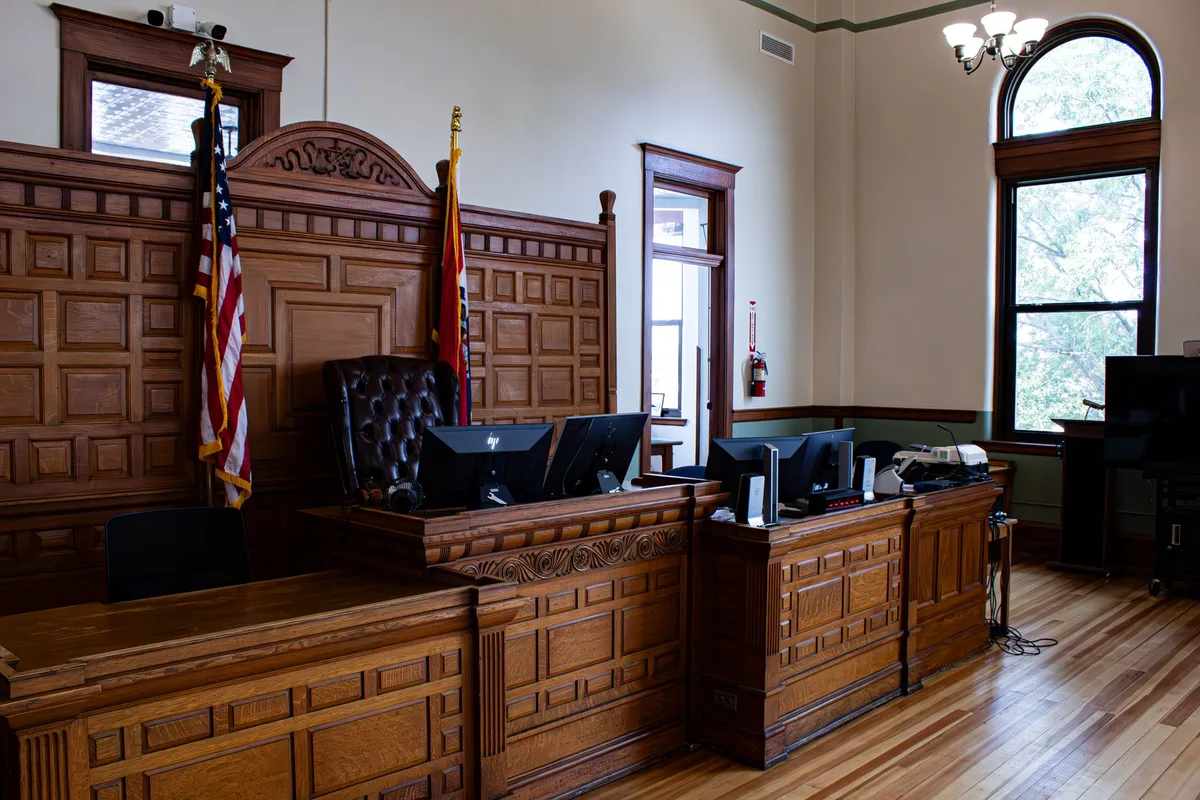
In several decisions, judges stressed the potential harms of releasing detailed voter files: unwanted public exposure of addresses and contact details, increased risk of harassment, and a chilling effect on civic participation. Those concerns are now central to how courts weigh competing interests between national investigations and state-managed election records.
What this means for states, investigators and voters
For state election administrators, the rulings offer a measure of reinforcement for longstanding policies that limit disclosure of raw voter files. For federal investigators, the message is that blanket subpoenas for “unredacted” data will face close scrutiny and likely require stronger, more specific legal grounds.
The stakes extend beyond the courtroom. Voters whose information is included in these datasets face new privacy risks if courts allow broad disclosures. At the same time, advocates for transparency argue that certain data are necessary for independent audits and research into election integrity — creating a difficult trade-off.
| Type of data requested | Primary legal concern | Common judicial response |
|---|---|---|
| Full names and residential addresses | Risk of doxxing, harassment | Often restricted or redacted unless narrowly limited |
| Social Security numbers or other ID numbers | Clear privacy and identity-theft hazards | Routinely protected from disclosure |
| Detailed voting histories or ballot choices | Potential misuse and privacy concerns | Courts demand specific justification and limits |
- States: Likely to reinforce file-protection practices and push for stricter legal thresholds before turning over raw logs or databases.
- Federal investigators: May narrow requests, seek targeted records, or pursue alternative evidence to avoid court rejection.
- Voters: Could see increased safeguards for personal information held in voter rolls, but also reduced public access for independent verification.
- Researchers and journalists: Might face greater hurdles obtaining complete datasets for analysis of turnout and irregularities.
These judicial decisions also raise questions about the longer-term legal framework. Courts are balancing federalism concerns — respect for state control over election administration — against the need for accountability in election-related investigations. How appeals courts and, possibly, the Supreme Court treat these issues will shape the boundary between investigative reach and individual privacy for years to come.
Practical next steps are predictable: expect narrower, more precisely worded court requests; increased litigation over redaction standards; and renewed legislative interest at both state and federal levels in defining what parts of voter records must be shielded. The debate is no longer purely academic — these rulings affect how elections are governed, how investigations proceed, and how secure voters’ personal information will be in future political contests.