
Show summary Hide summary
The Pentagon told Congress this week that keeping National Guard troops on Washington, D.C., streets through the next several budget years will cost roughly $1.4 billion, an estimate that puts the long-running deployment back in the spotlight as taxpayers and local officials question its scale and purpose. With the mission cleared to run through Jan. 20, 2029 unless the president ends it, the price tag and the continued militarized presence raise immediate questions about who pays, who decides and how long this posture will last.
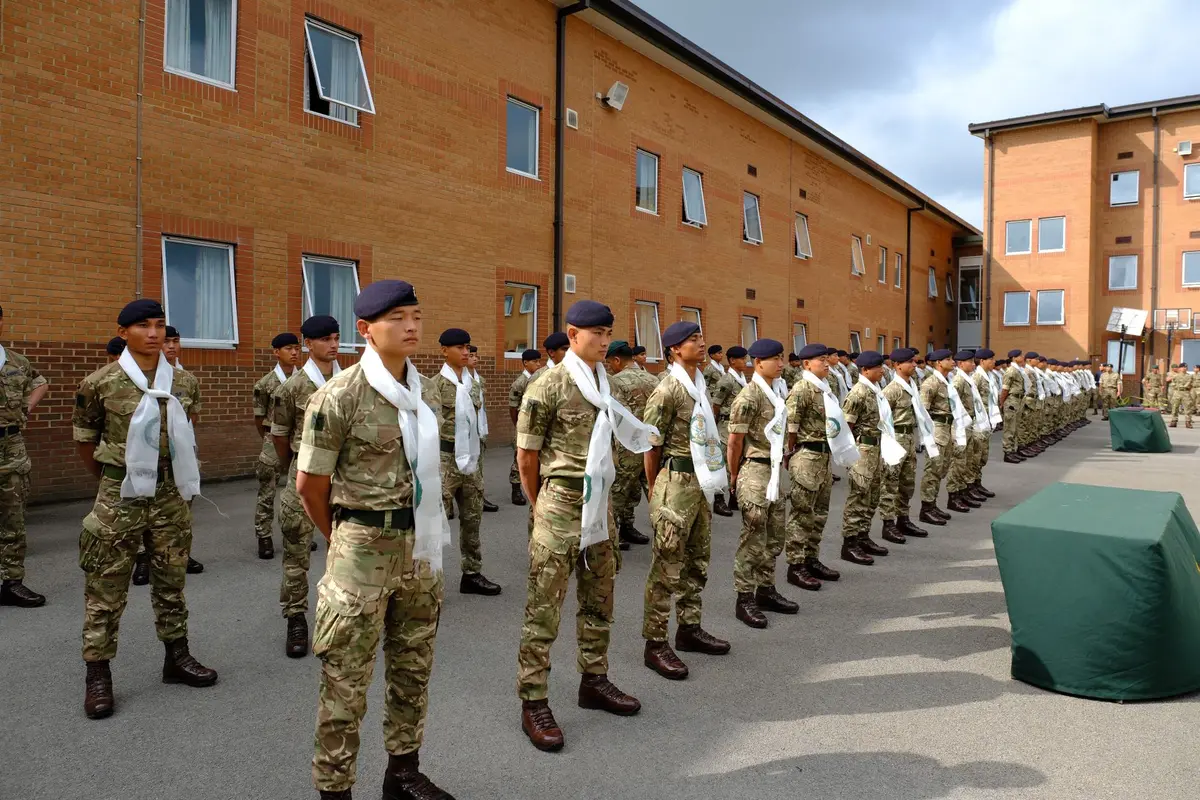
The deployment began last year after the White House declared an emergency and ordered a large law-enforcement surge. Officials framed the operation as a response to crime; Guard units have assisted with arrests, logistical tasks such as snow removal, and high-visibility security duties. At its peak around the city’s 250th Independence anniversary events, roughly 5,000 Guard members were reported on the ground.
What the Defense Department estimate says
Boxing champions ditch long runs for high-intensity training: new era in fight prep
Czech nationals among victims of Pinedale-area crash: two confirmed dead
According to the document sent to lawmakers, the budget number covers fiscal years 2027–2029 and assumes an average of about 2,500 Guard personnel stationed in the city over that period. The Pentagon confirmed the mission remains authorized through the inauguration date in 2029, or until the president withdraws the order.
- Estimated cost: ~$1.4 billion for FY2027–2029.
- Average deployment level: ~2,500 personnel.
- Peak presence: ~5,000 personnel during major July events.
- Duration: Authorization continues until Jan. 20, 2029, unless ended earlier.
- Contributing forces: Guardsmen from D.C. plus units from more than 20 states and territories.
Not all state contingents plan to keep their troops in Washington for the same length of time. Some governors have signaled temporary commitments tied to specific events; others have set longer timelines. For example, Georgia had one of the largest state deployments recently—around 800 personnel—though its officials described that number as a temporary surge. Arkansas and Hawaii have announced phased withdrawals, while Louisiana has said its Guard members will remain through January 2027.
Court rulings in other jurisdictions have placed limits on similar uses of Guard forces, but the capital remains a special case: the president is the direct commander of the D.C. National Guard, which changes how decisions about deployment are made and challenged.
Political and local reactions
The cost estimate has drawn sharp criticism from Democratic elected officials and local residents who say the money could be used for public services instead. One senior senator described the extended mission as an avoidable drain on federal funds and argued the Guard should not be used for what she characterized as political theater.
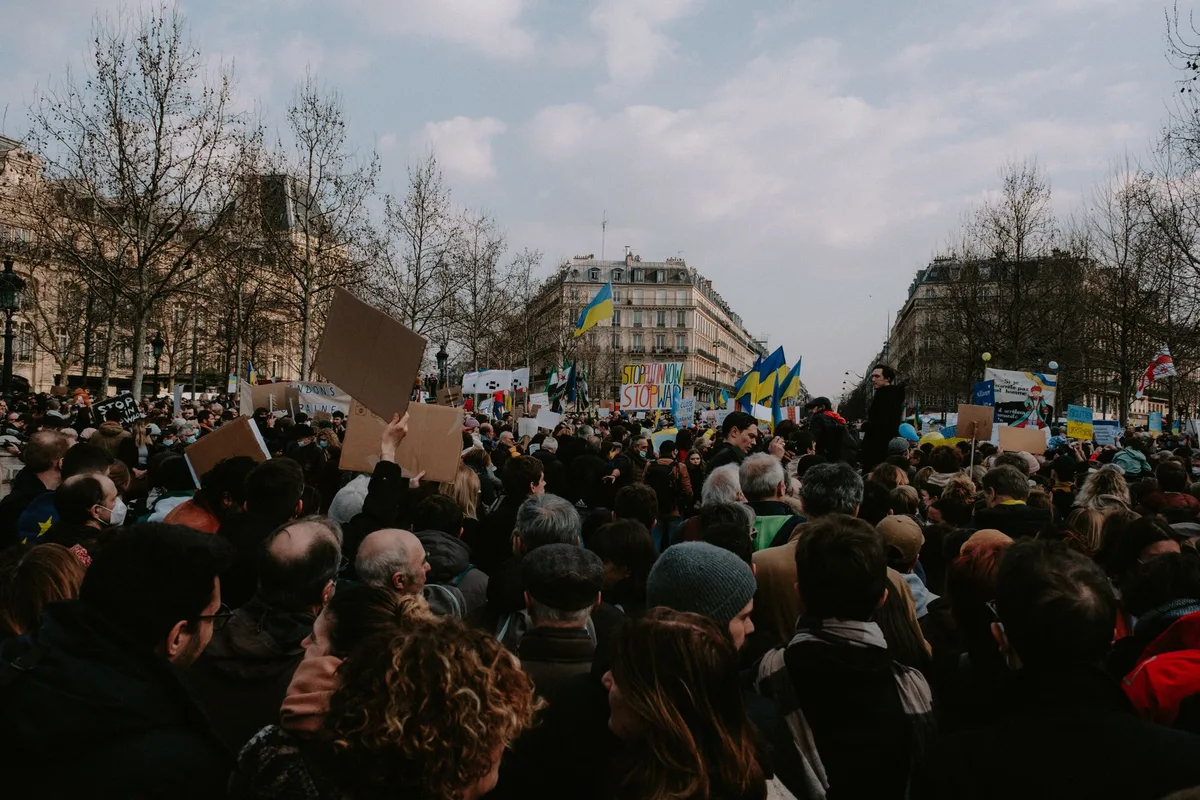
Residents and activists have staged protests against the prolonged surge, saying the Guard’s presence feels excessive and diverts resources from housing, healthcare and food assistance. At a recent demonstration, a longtime city resident said troops appear in concentrated areas and that public funds would be better spent on basic needs.
Supporters of the deployment point to its role in public-safety operations and high-profile event security. But the scale and duration have sparked a broader debate about federal authority in the district and how to balance security with civic life and municipal control.
Why this matters now
The estimate turns an abstract policy dispute into a concrete budget question at a time when many households are feeling economic pressure. With the authorization extending into the next presidential term unless revoked, the cost will be factored into planning by Congress and the Defense Department—while governors decide whether to keep state troops deployed.
The timeline and final bill remain uncertain. Governors can withdraw their state units at different points, and a future presidential decision could end the mission sooner. Still, the $1.4 billion figure gives a clear indication of the financial stakes and sharpens the choices facing elected officials and the public.
For now, Washington’s streets remain home to a significant uniformed presence, and the conversation about how that presence is paid for and governed is likely to continue through the coming budget cycles.