

Show summary Hide summary
Mississippi lawmakers opened a new chapter this week in the state’s fight over political maps, launching a joint committee to consider redrawing legislative, congressional and judicial districts after the U.S. Supreme Court’s recent Louisiana v. Callais ruling that reduced federal protections for minority voting power. The first meeting set the agenda: eight public hearings across the state and the hiring of outside counsel, moves that could reshape who holds power in Mississippi for years to come.
Committee convenes, leaders named and counsel retained
The Joint Redistricting and Reapportionment Committee — made up of state senators and representatives — met at the Capitol for its inaugural session following the high court decision. Senators and representatives elected Republican Sen. Dean Kirby as chair and Republican Rep. Noah Sanford as vice chair, and voted to engage attorneys from the firm Butler Snow to serve as general counsel.
Boxing champions ditch long runs for high-intensity training: new era in fight prep
Czech nationals among victims of Pinedale-area crash: two confirmed dead
Lieutenant Governor Delbert Hosemann, who presides over the Senate, declined to specify which districts the committee might prioritize or to confirm whether the panel will ultimately redraw judicial, legislative and congressional lines. He said the committee intends to hear from residents statewide before making any determinations.
Public input planned, but critics worry
The committee has scheduled eight evening hearings to gather community feedback. Supporters say the sessions offer a chance for voters to weigh in; critics contend the outreach may be cosmetic and accuse lawmakers of preparing to weaken minority influence in voting.

Amir Badat, southern states director for Fair Fight Action, called the process an attempt to reduce Black political power and urged the committee to halt what his organization views as a predetermined plan. His statement framed the hearings as insufficient to change an already decided outcome.
What officials and advocates are saying
Democratic figures convened a separate town hall over the weekend in Jackson to mobilize voters ahead of the redistricting effort. Maryland Sen. Angela Alsobrooks and Mississippi Rep. Bennie Thompson spoke at the event, encouraging attendees to register and vote in greater numbers. Alsobrooks invoked the civil rights struggle as a reminder of the stakes involved.
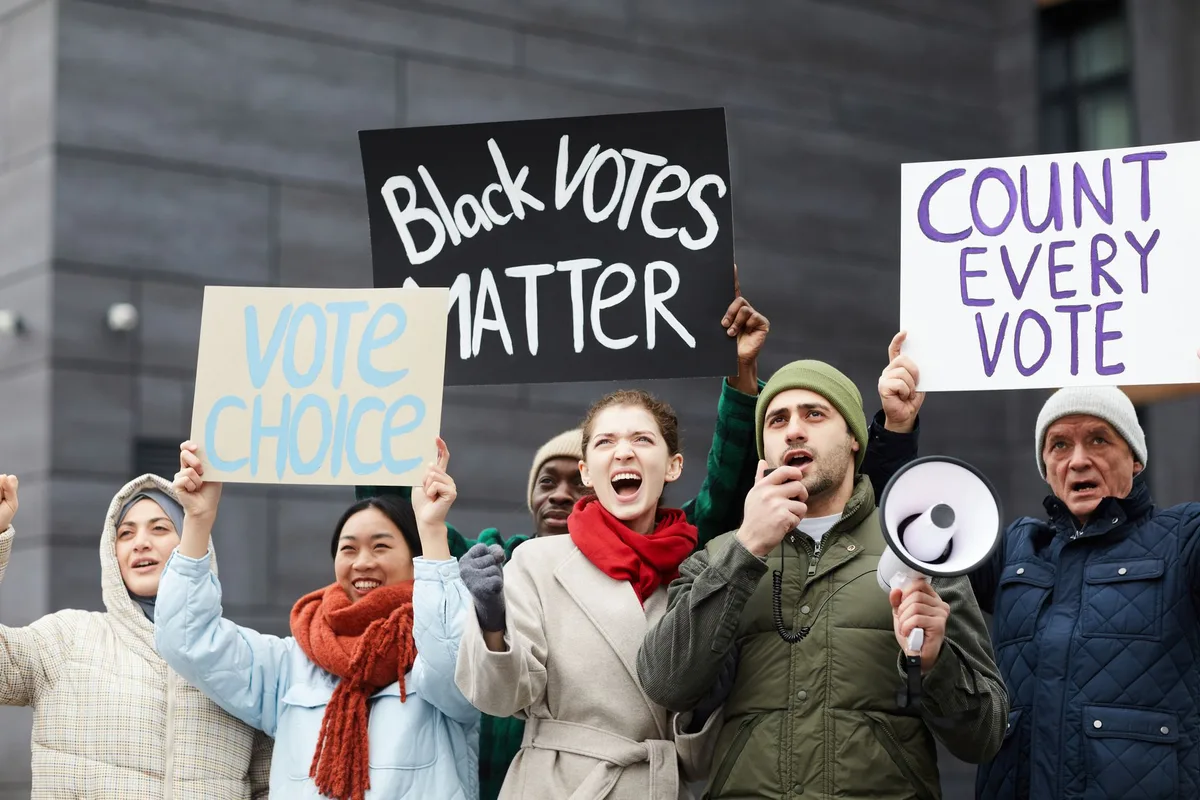
Thompson — Mississippi’s lone Black member of Congress and a Democrat — said his campaign will monitor the hearings closely, urging transparency and public engagement rather than closed-door decisions.
Why this matters now
The Supreme Court’s decision in Louisiana v. Callais removed a layer of federal oversight that previously made it harder for states to alter district lines that had been created to protect minority voting strength. In Mississippi, where several districts have a majority-Black electorate, any redrawing could directly affect the political voice of large communities and the composition of state and federal representation.
State Republicans including Auditor Shad White have urged changes to certain districts, and analysts warn that congressional lines could be reconfigured in ways that challenge Representative Thompson’s district, which includes parts of the Jackson metro area and the Delta.
- Aug. 18 — Itawamba Community College, Tupelo (6 p.m.)
- Aug. 27 — Northwest Mississippi Community College, Senatobia (6 p.m.)
- Sept. 1 — Delta State University, Cleveland (6 p.m.)
- Sept. 8 — Alcorn State University, Natchez (6 p.m.)
- Sept. 10 — Meridian (venue TBD) (6 p.m.)
- Sept. 17 — University of Southern Mississippi, Hattiesburg (6 p.m.)
- Sept. 22 — Mississippi Gulf Coast Community College, Gulfport (6 p.m.)
- Sept. 24 — State Capitol, Jackson (6 p.m.)
How the committee interprets public comment, and whether it uses the hearings to adjust districts in ways that reflect demographic shifts or political objectives, will shape Mississippi’s electoral map heading into future elections. Lawmakers’ next steps and the substance of any proposed maps are likely to draw legal scrutiny and further public attention.
For now, the process is beginning with outreach — but with deep concerns on both sides about whether the outcome will reinforce or diminish established voting blocs. The coming weeks of hearings will be a crucial test of how much public input influences the final decisions.