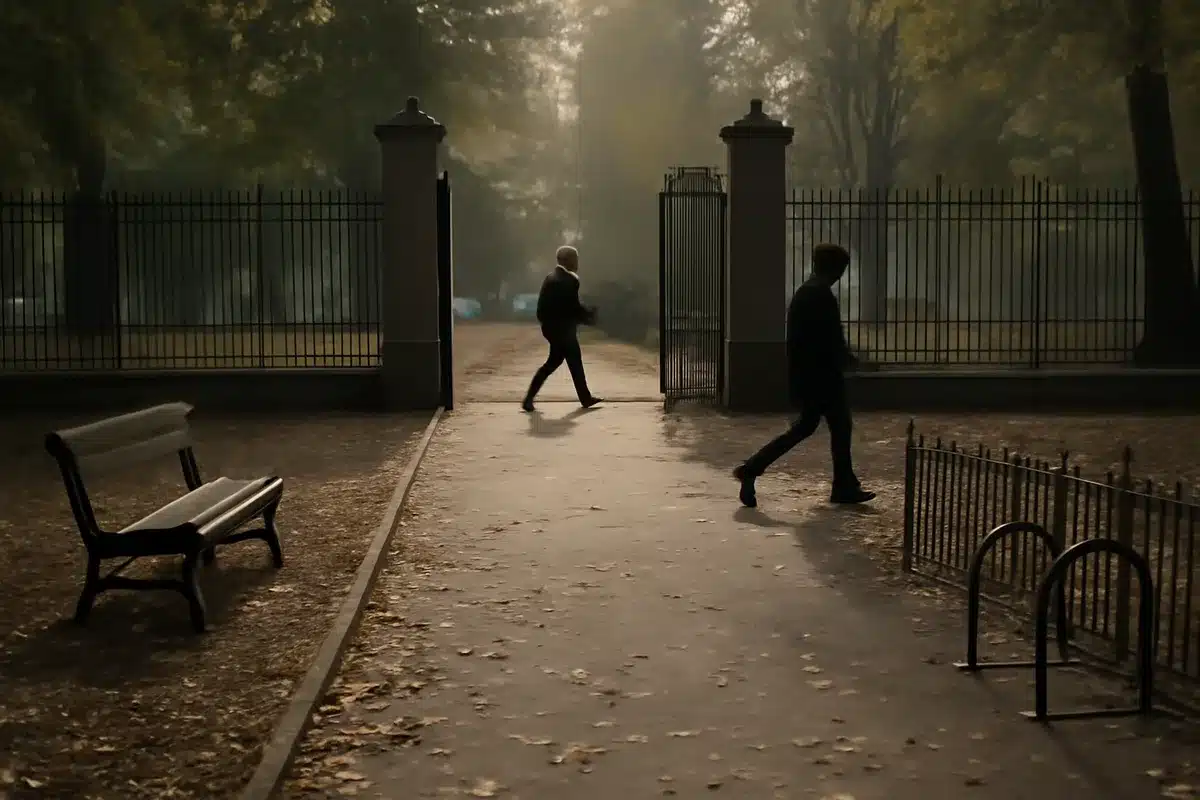
Officials appointed during the Trump administration faced pointed criticism at a recent public hearing over proposals to keep fencing and install gates around Lafayette Square, the small public park directly north of the White House. Opponents warned that permanent barriers would reduce public access to a historic civic space and could set a lasting precedent for how security and free expression are balanced in the capital.
Several speakers — including local residents, preservationists and civil liberties advocates — urged federal officials to reject proposals that would formalize barriers first erected amid the unrest of 2020. Those temporary fences, installed during large demonstrations, sparked widespread debate about whether security measures had become an enduring feature of public life near the White House.
Why this matters now
The debate extends beyond landscaping: decisions about Lafayette Square affect how the government manages public space near the nation’s seat of power, with implications for protest rights, historic preservation and daily recreational use. A shift toward permanent fencing would influence future demonstrations, tourist access, and the way Washington, D.C., presents itself to residents and visitors.
High school fake substitute arrested after racist tirade and asking students for marijuana: police
Florida Gators reclaim Swamp dominance: Ole Miss suffers crushing defeat
Historic context and the current proposal
Lafayette Square has long been a site for demonstrations and public gatherings. After the events in 2020, temporary fencing and controlled access were introduced around the park for security and restoration work. At the hearing, Trump administration appointees with oversight roles listened as critics argued that converting temporary barriers into permanent gates would:
- Restrict public access to a park historically used for protests, gatherings and everyday leisure.
- Alter a historic landscape that preservation groups say should remain open and unobstructed.
- Set a precedent for other federal sites to adopt similar permanent security measures.
- Raise concerns about the balance between security and constitutional rights, particularly the First Amendment.
Voices at the hearing varied
Not every speaker opposed security improvements outright. Some residents and security experts acknowledged the need to protect high-profile federal properties and suggested design solutions that could be less intrusive — such as bollards, landscaping buffers or retractable barriers that preserve sightlines and access when full security measures are not needed.
Preservation specialists emphasized that any physical changes should meet standards for historic sites, while civil liberties groups focused on transparent decision-making and clear criteria for restricting access to public spaces.
What comes next
Federal officials are expected to review public comments and technical assessments before making any final determination. The process could include more public meetings, environmental and historic-preservation reviews, and potential legal challenges depending on the outcome.
Why readers should follow this
Decisions about Lafayette Square will shape how the public interacts with a symbolic civic space and could influence policies for other federal lands. For residents, lawmakers and people who use public parks as platforms for speech, the stakes include both everyday access and broader questions about how security is balanced with civil liberties in the nation’s capital.