
Show summary Hide summary
After a week of near-constant college basketball, early patterns are starting to emerge that matter for the regular season and beyond: a reigning champion looks every bit like a repeat threat, an underrated mid-major is proving elite, and unexpected stumbles are already reshaping narratives. These first impressions won’t decide March, but they change how coaches, fans and brackets will think about the next two months.
- UConn appears to have another legitimate national-title roster.
- Saint Louis is playing like a top-25 team.
- Virginia’s offense has shown a surprising burst early on.
- Newcomers—freshmen and transfers—are making immediate, meaningful contributions.
- A surprising program already sits 0-2, underscoring how quickly perceptions can shift.
College basketball early-season shakeup: UConn jumps into title conversation, Purdue slips
Laramie County arrests: full booking list Nov 4-9, 2026
UConn’s championship credentials are intact
The national title rematch with Michigan offered the clearest sign that the Huskies aren’t a one-year wonder. They led for virtually the entire game and closed out an 85–77 victory, leaving little doubt about their continuity at the top end.

On offense, sophomore guard Braylon Mullins flashed high-end scoring ability, while veteran playmaking from Silas Demary Jr. steadied the backcourt. Early additions — freshman wing Colben Landrew and transfer center Na’jai Hines — have fit in smoothly, helping a rotation that already looks deep.
Depth hasn’t been truly taxed yet, and a rigorous slate looms: matchups with Arizona, Duke, Illinois and Kansas will provide a true measure of whether this group can repeat the program’s recent success.
Saint Louis is more than a mid-major surprise
Josh Schertz’s Billikens outdueled Missouri, 90–84, in a rivalry setting that tested their poise. The result wasn’t a fluke—Saint Louis has the framework for an efficient attack.
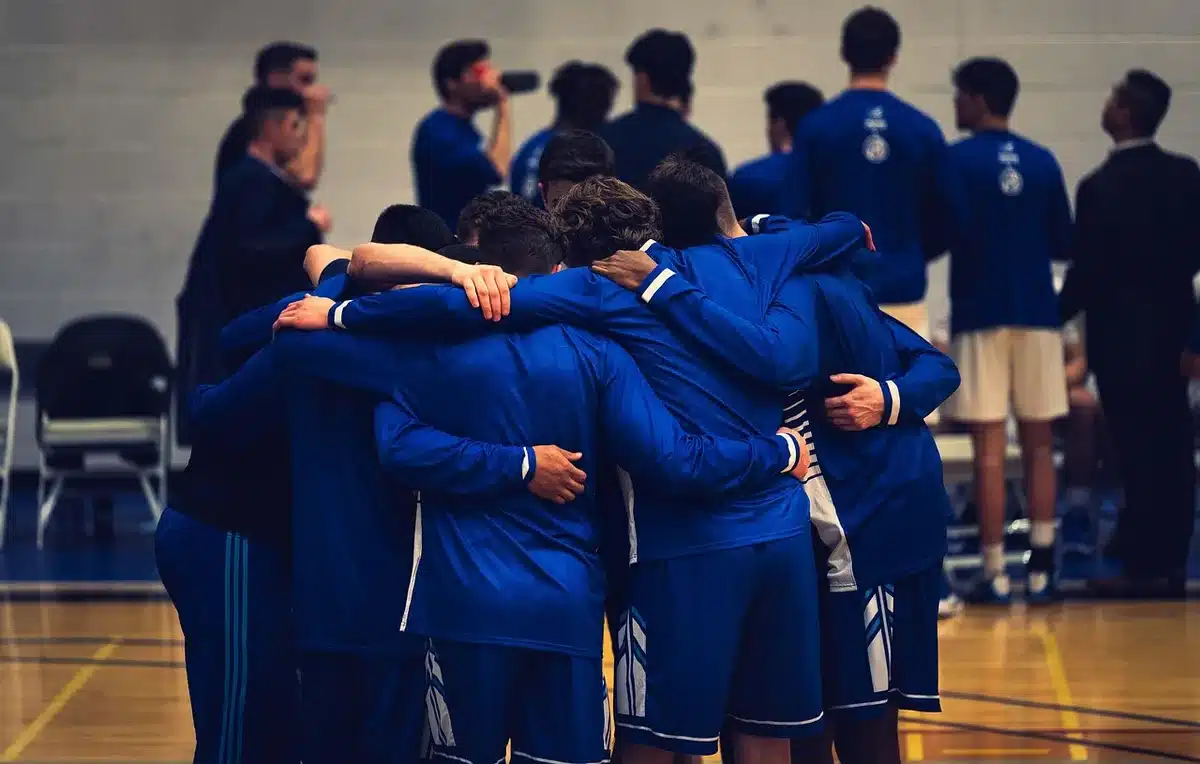
The starting unit—Trey Green, Quentin Jones, Amari McCottry, Ishan Sharma and Alon Michaeli—played with cohesion and balance. Michaeli flirted with a triple-double in that game, demonstrating how multi-dimensional this group can be.
Complicating the roster picture is the ongoing situation with Robbie Avila, who received an injunction allowing a fifth season. Administrative disputes over roster limits prevented him from playing in the opener, however, so his return could alter expectations further.
Virginia’s offense is forcing a rethink
What was once one of college basketball’s most predictable defensive identities has shown a different side: the Cavaliers are producing more points and offensive variety than many anticipated. That shift matters because it changes how opponents prepare and could widen Virginia’s window in high-stakes games.
Whether this is a sustainable transformation or a product of early-season matchups remains to be seen. But for now, the offense has become a storyline worth tracking alongside the team’s traditional defensive strengths.
Transfers and freshmen are reshaping teams immediately
Early performances across the sport highlight how quickly new players can move the needle. UConn’s Landrew and Hines are one example; other programs are seeing transfers and first-year players step into major roles within days.
The practical consequence is simple: roster turnover now has immediate competitive impact. Coaches who integrate new pieces fast gain strategic advantage, and preseason rankings can become outdated after just a few weekends.
When a presumed contender slips to 0-2
An early 0–2 start for a team many expected to contend is a reminder of how fragile early-season narratives are. Those losses don’t doom a season, but they force urgent adjustments—rotation changes, strategic shifts and sometimes a reset of expectations among fans and media.
For teams in that spot, short-term priorities change from resume-building wins to damage control: beatable nonconference opponents, correct schematic issues, and avoid letting early setbacks shape locker-room confidence.
Early weeks matter because they shape momentum and perception. Over the next month, the best teams will be tested in tougher matchups and the players who impressed in November will face sustained scrutiny. Pay attention to how depth is managed, how quickly new contributors are integrated, and which teams handle adversity—those traits often predict who still stands in March.