Show summary Hide summary
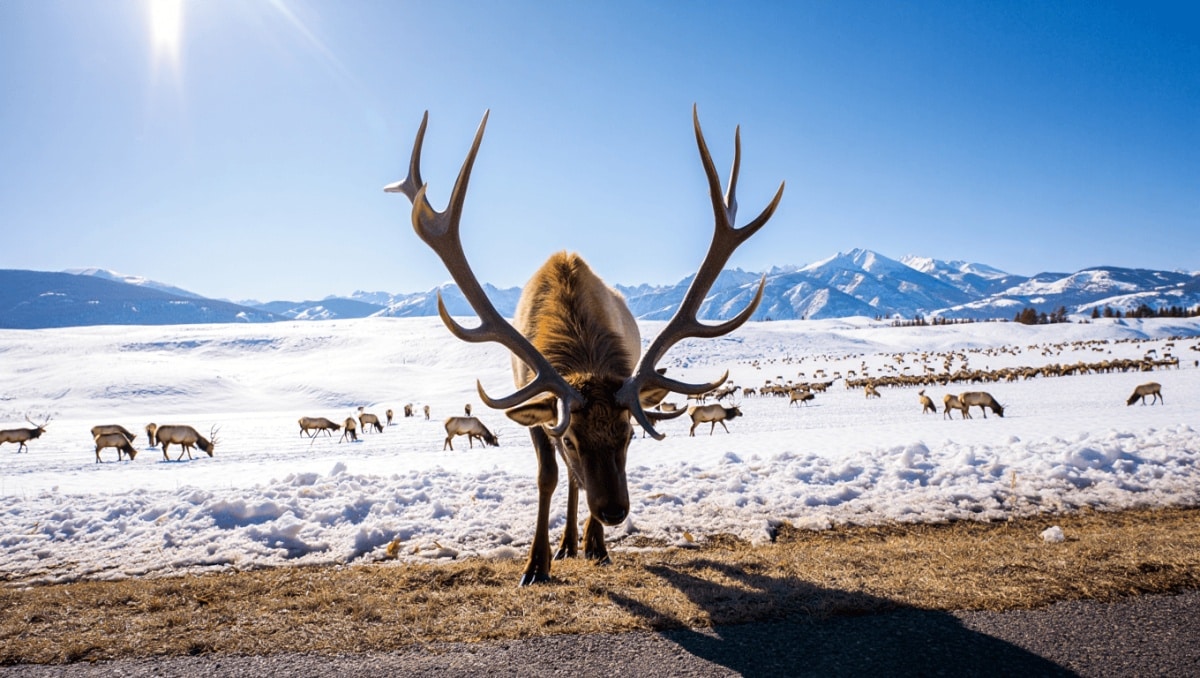
This spring, thousands of elk are already moving off the National Elk Refuge near Jackson, pushed by an unusually light snowpack that opened travel routes earlier than normal. That early exodus matters beyond spectacle: wildlife managers are watching closely to update population controls, hunters and nearby landowners face shifting elk pressure, and researchers are gathering fresh movement data that could change how the herd is managed.
Collars, corridors and four pathways
Biologists are following the herd with GPS collars placed on more than 100 adult females to map where animals disperse once winter feeding ends. Early tracking confirms the herd splits into four main migration patterns — each with different management consequences.
- Grand Teton National Park: A large portion moves directly into park lands, where hunting is restricted and predators play a bigger role in population dynamics.
- Yellowstone: Some elk head farther north, joining broader regional movements that affect disease monitoring and predator-prey balances.
- Gros Ventre region: A distinct group follows the corridor into the Gros Ventre, important for local habitat and visitor viewing opportunities.
- Private valley lands: Increasing numbers summer on privately owned parcels on the valley floor, where elk are typically shielded from hunting and human-caused mortality.
Boxing champions ditch long runs for high-intensity training: new era in fight prep
Czech nationals among victims of Pinedale-area crash: two confirmed dead
Managers say the collar data will inform how hunting seasons are timed and structured to influence the refuge’s winter counts, now complicated by more animals spending summers on private property and escaping both hunting pressure and natural predation.
Why timing matters this year
After a winter with below-average snowfall on the Jackson Hole lowlands, travel routes that are normally snowbound opened sooner. Elk are less constrained by deep snow, so both short local moves and longer treks are happening earlier in the season. For wildlife officials, that shifts the calendar for monitoring, disease surveillance and any decisions tied to population control.
The movement also affects local communities: ranchers and homeowners may see earlier or heavier elk use on private lands, while hunters and outfitters watch for changes in access and season effectiveness.
Many debates that surface each spring — about supplemental feeding, the role of wolves, disease risk and the ethics of hunting guided by telemetry data — are already underway. Those conversations are part scientific, part social, and rooted in changing elk behavior on the valley landscape.
One long-standing local joke captures the intensity of those discussions: when a new refuge manager called his predecessor decades ago to ask what to expect, the retiring director reportedly summed up Jackson as a town of about 2,000 people — nearly all of them elk biologists.
Where to see them—and when
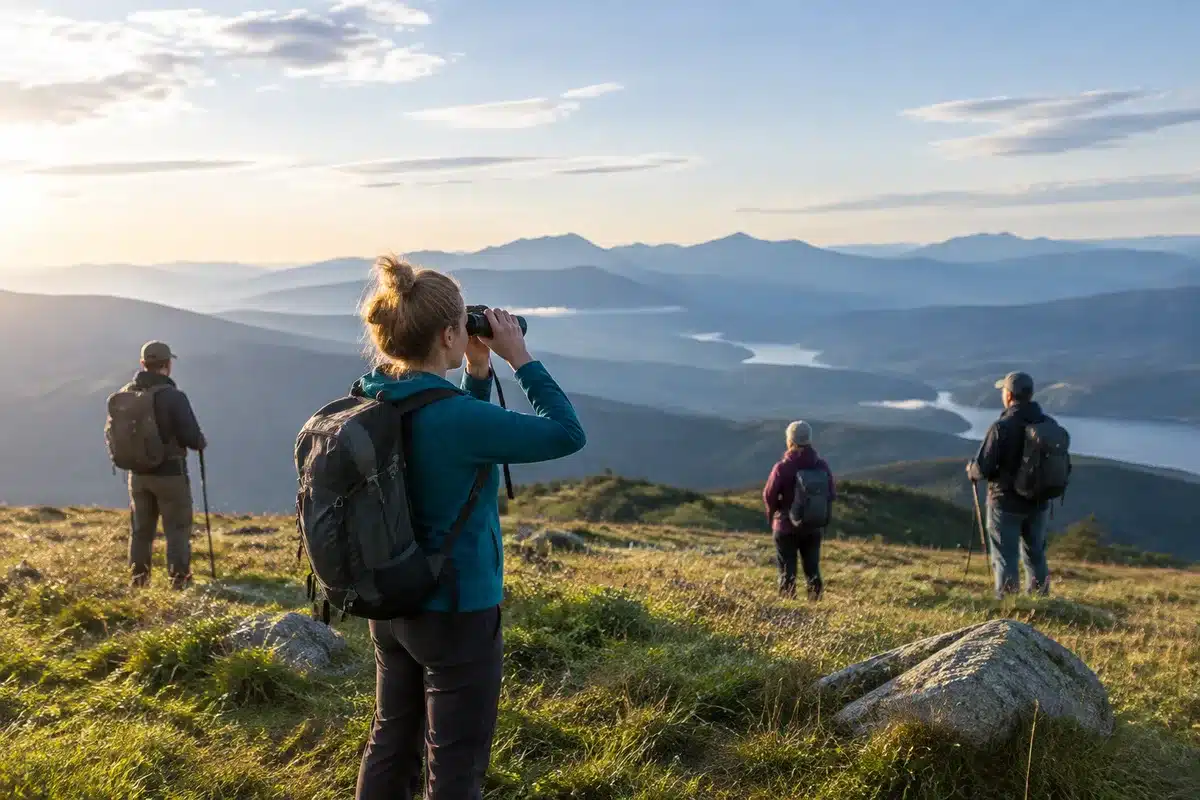
For those hoping to watch the migration, the best opportunities are usually at dawn and around dusk. Large groups often move across the Gros Ventre River in the mornings before spreading into higher ground or private pastures.
Practical notes for observers:
- Keep a respectful distance to avoid disturbing animals.
- Binoculars or a telephoto lens will improve viewing and reduce the need to approach.
- Expect heavier wildlife traffic on valley roads at peak movement times.
What managers are tracking next
Beyond immediate movement, biologists will be analyzing migration routes to refine long-term strategies: adjusting hunting frameworks, targeting disease surveillance, and evaluating the balance between refuge feeding practices and natural seasonal dispersal.
The coming weeks will tell whether this early migration is an anomaly tied to a light snow year or a sign of broader shifts in the herd’s use of public and private landscapes. Either way, the GPS data arriving now will be central to how officials, landowners and the public respond.