Show summary Hide summary
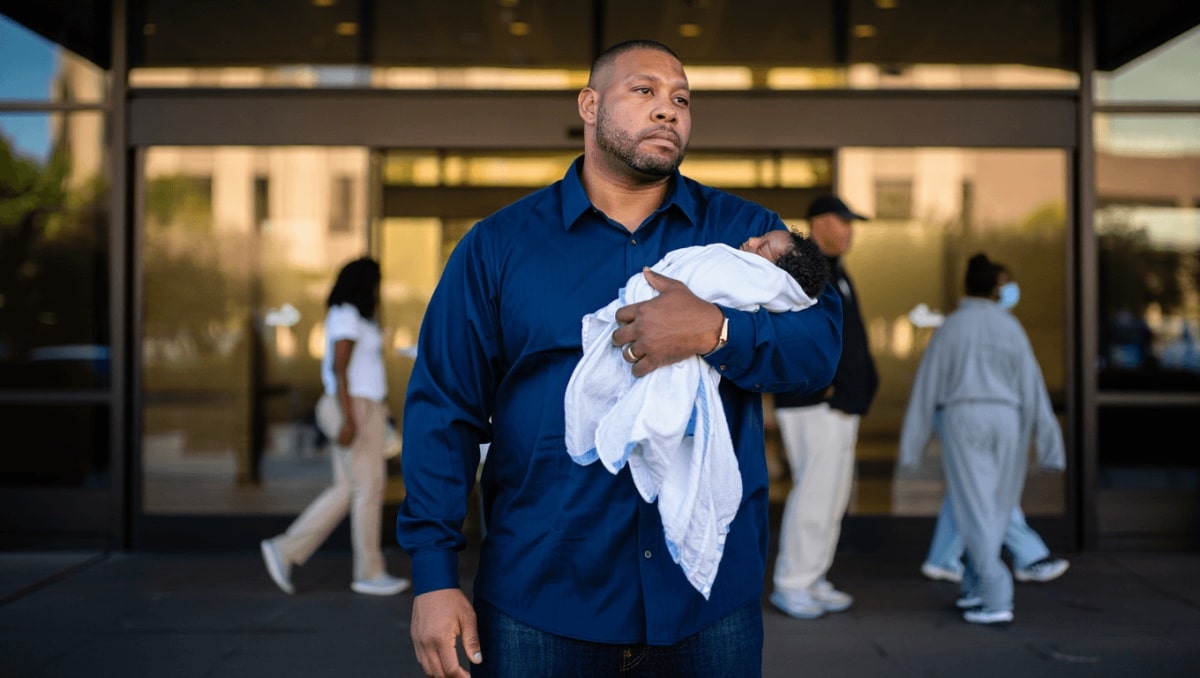
When their daughter arrived two months early, Marlon White and his wife found themselves switching between hospital corridors and work shifts — a choice many parents of premature newborns make to protect limited paid leave. New state rules and a fresh congressional proposal are now pushing the question of dedicated time off for families with infants in neonatal intensive care into the national spotlight.
Parents of newborns in neonatal intensive care face medical uncertainty and intense caregiving needs while often having to preserve their paid leave for a child’s return home. Advocates and some lawmakers say creating explicit NICU leave — separate from standard parental leave — would close a gap in the U.S. patchwork of family-leave policies.
States lead, Congress may follow
Earlier this year, Colorado became the first state to adopt a paid NICU leave measure, allowing up to 12 weeks of additional leave for parents while a newborn is in intensive care. A shorter, unpaid NICU leave rule is due to begin soon in Illinois, guaranteeing between 10 and 20 days for affected parents.
Boxing champions ditch long runs for high-intensity training: new era in fight prep
Czech nationals among victims of Pinedale-area crash: two confirmed dead
Those state moves have prompted a push for a federal fix. Representative Brittany Pettersen of Colorado is drafting legislation that would add NICU leave to the Family and Medical Leave Act, proposing up to 12 extra weeks on top of existing FMLA protections for eligible workers. Backers say the idea has potential cross‑party appeal because it addresses a narrow, concrete hardship rather than broad policy debates.
What these policies look like
| Jurisdiction | Type of leave | Duration | Paid? | Status |
|---|---|---|---|---|
| Colorado | NICU leave in addition to state family leave | Up to 12 weeks | Yes | In effect |
| Illinois | Dedicated NICU leave | 10–20 days | No | Beginning next month |
| Federal (proposed) | NICU leave added to FMLA | Up to 12 weeks | Depends on bill language | Under development |
Why this matters now
Roughly one in ten U.S. newborns spends time in a NICU, where infants need help with breathing, feeding and temperature regulation. Clinical research and neonatal specialists emphasize that parental presence — including skin‑to‑skin contact — improves infants’ breathing, heart rate stability and breastfeeding outcomes.
Without specific NICU leave, many parents try to stretch existing paid time off or continue working through the critical weeks to save benefits for later. That can leave families juggling high‑stress jobs with hospital visits and medical training on newborn care.
Stories on the ground
In Denver, Marlon White says he returned to construction work the day after his daughter’s birth so his wife could continue responding to hospital messages and keep their household afloat as their baby fought for breath across two hospitals. Another couple, Rebecca and Martin Moreno, held back paid leave so the father could be available when their son came home after a three‑week NICU stay, a choice that left both parents exhausted and underprepared.
Advocates who have lived through these experiences drove much of the recent state-level momentum. Sahra Cahoon, who founded a Colorado support group after losing her extremely premature daughter, said families often feel forced to work because they cannot afford unpaid time off — even while tethered to the hospital.
Business responses and workplace gaps
A handful of employers have already carved out NICU-specific benefits. Some large companies and startups now offer enhanced parental leave when a newborn requires intensive care, but these policies are uneven and far from universal.
The uneven corporate landscape and state-by-state rules leave many workers without consistent protection. Advocates argue that a federal standard — paid or unpaid — would reduce disparities tied to income, employer size and geography.
- Practical impacts: NICU leave can let parents focus on learning medical care tasks, bond with their infant and manage follow-up appointments without exhausting other leave reserves.
- Health stakes: Early parental involvement supports infant development and can reduce readmissions after discharge.
- Economic trade-offs: Paid leave reduces immediate financial pressure but requires policy choices about funding and employer responsibilities.
Early uptake in Colorado suggests demand is high: state officials report nearly 800 applications for neonatal care leave since the program began. Lawmakers and advocates say those numbers are the kind of evidence that could shape broader debate over whether NICU leave becomes a routine part of family‑leave policy nationwide.
For parents like the Whites and the Maddens, the policy change has had immediate effects: it has freed them to be present during fragile, formative weeks without the additional burden of lost wages or agonizing trade‑offs. That, proponents argue, is precisely the outcome policymakers are now weighing for many more families across the country.