Show summary Hide summary
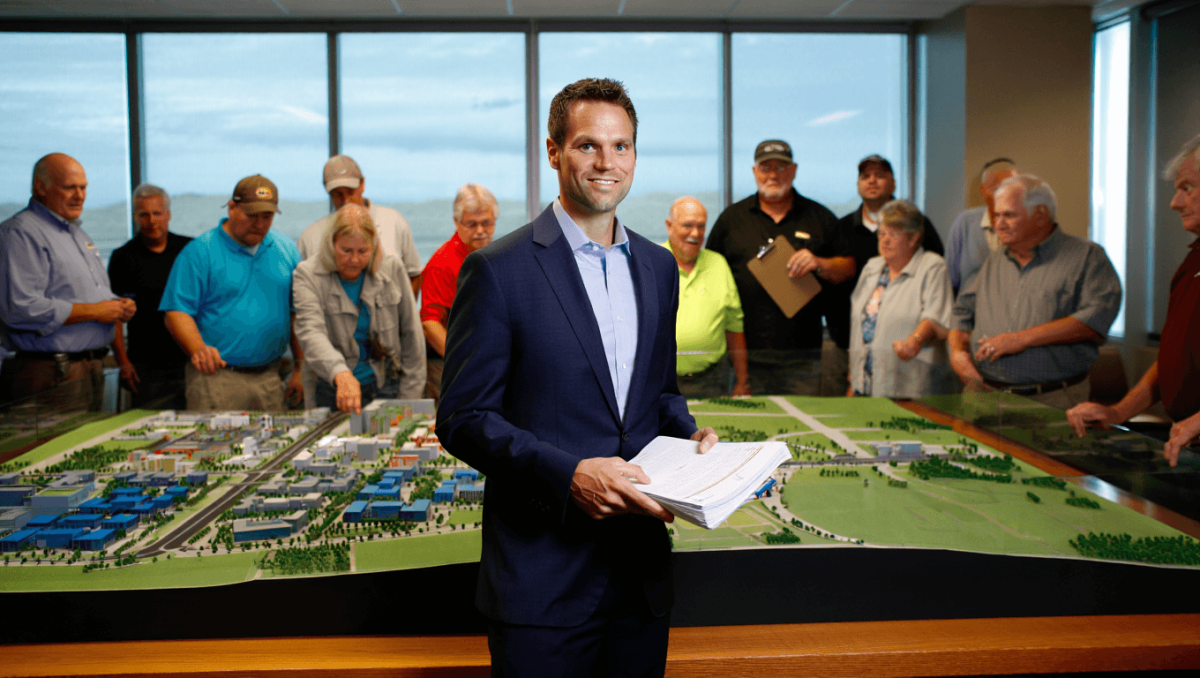
After a City Council vote to reject a temporary development pause, Microsoft opened its doors to Cheyenne residents Thursday to explain environmental safeguards for a proposed 3,200‑acre data center expansion and two nearby parcels the company now plans to add. The session aimed to answer immediate questions about water use, jobs and local impacts — issues that shape whether rapid tech growth will fit into Wyoming’s capital.
Microsoft representatives set up displays at the community meeting and took questions from attendees, outlining how the company expects to design the new campus and limit its footprint. In addition to the main 3,200‑acre site, the company said it intends to develop a 385‑acre tract east of College Drive and a 35‑acre plot south of Happy Jack Road.
What the company said
Speakers stressed a phased, multi‑year planning process and emphasized engagement with neighbors. A Microsoft spokesperson described the work as deliberate, saying the firm wants local feedback folded into long‑range plans rather than rushed construction.
Boxing champions ditch long runs for high-intensity training: new era in fight prep
Czech nationals among victims of Pinedale-area crash: two confirmed dead
Officials detailed technical measures they say reduce everyday demand on local resources: modern cooling systems that minimize consumption, primarily air cooling for most of the year, and limited use of evaporative methods only on hotter days. The company also pointed to partnerships with conservation groups and said it invests in environmental projects in communities where it operates.
- Sites announced: 3,200 acres (initial expansion) plus 385 acres and 35 acres at nearby locations.
- Local workforce: About 500 Cheyenne residents already work for Microsoft full time; more than 1,000 students have completed a Microsoft‑supported certificate program aimed at local hiring.
- Fiscal footprint: Microsoft is currently Cheyenne’s largest taxpayer, contributing roughly $11 million a year; company representatives said they do not plan to seek tax incentives for this expansion.
- Cooling strategy: Company data shows Cheyenne requires evaporative cooling roughly 37 days a year, with newer closed‑loop cooling systems used to limit routine water withdrawals.
- Timeline: Planning and approvals are expected to take years; the local pipeline already includes multiple operating and proposed data center projects.
Local reaction and lingering questions
Residents expressed mixed feelings at the meeting. Some welcomed the jobs and economic activity, while others questioned the city’s ability to regulate a fast‑moving industry and guard infrastructure costs.
“I want to know whether the city can actually shape how this happens,” one resident told officials, voicing a concern that financial incentives could drive city decisions. Others said they prefer Cheyenne absorb development pressures rather than pushing projects into more rural communities.
City Council debate has been intense. Councilor Mark Moody, who proposed a yearlong moratorium on new data center approvals to study the impacts, has argued that rapid expansion could alter Wyoming’s rural character. That proposal was defeated, leaving the city to rely on existing review and permit procedures.
Technical and fiscal specifics officials highlighted
Microsoft representatives repeatedly assured residents that infrastructure costs — for water, energy and related upgrades — would not be shifted to other ratepayers. They stopped short of giving a firm estimate of the tax revenue the future campus might generate, saying assessments depend on the final buildout.
On cooling and water, company staff described the role of new equipment that circulates coolant close to processors and reduces the need for continuous water use, aside from routine employee facilities. They also noted commitments to environmental restoration and local watershed projects through nonprofit partnerships.
Cheyenne already has a significant data center presence: the local economic development authority reported multiple operating facilities, several under construction and additional projects at various stages of planning. That broader context helps explain why municipal leaders and residents are pressing for clarity on long‑term impacts.
What to watch next
The immediate next steps include further public consultations, environmental reviews and the routine permit process. City officials will continue to evaluate infrastructure needs as project plans solidify, and Microsoft has signaled it expects the planning and approvals to unfold over several years.
For residents, the stakes are practical: how growth will affect water supplies, air quality, energy rates and the city’s tax base. For the city, the challenge is balancing economic opportunity with oversight — ensuring that the benefits of large technology projects do not come at unanticipated cost to local services or the environment.