Show summary Hide summary
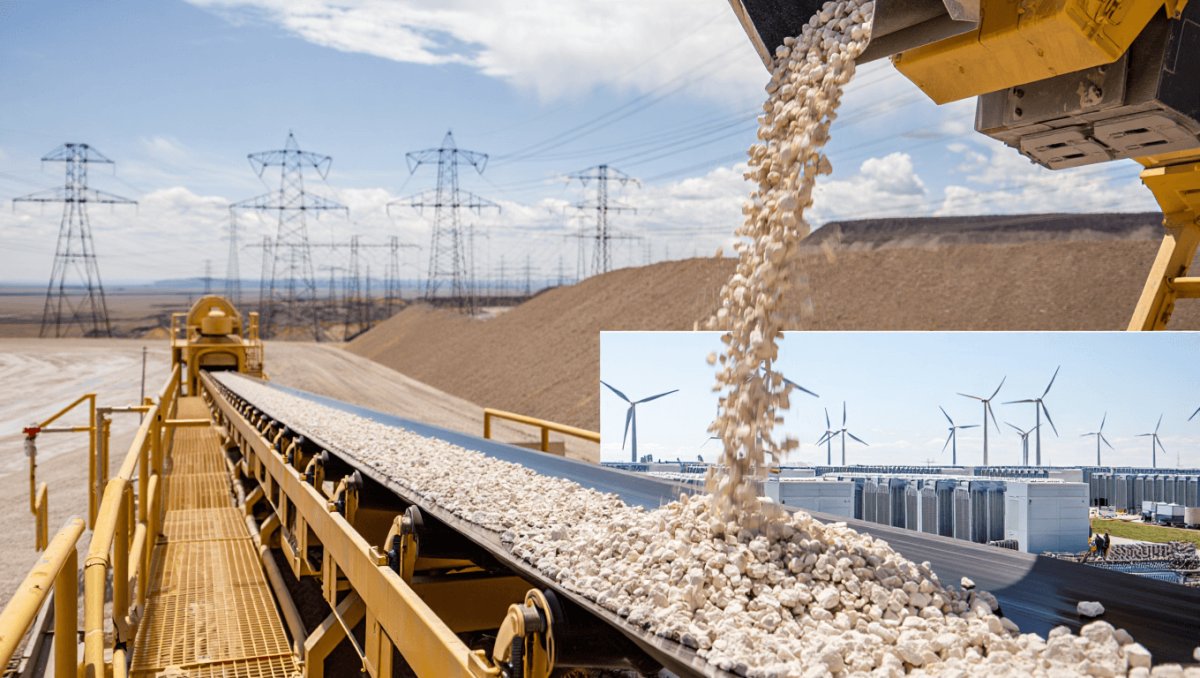
Wyoming’s trona and soda ash sector—responsible for more than half of the state’s exports by value—says its growth is being throttled by a shortage of reliable electricity, a problem made more urgent as tech companies plan energy-hungry data centers across the state. Industry leaders told lawmakers this week that without faster access to power, expansion projects will stall and existing operations face costly outages.
At a legislative hearing Thursday, representatives for the trona industry and utilities sketched a clash between long-established mining needs and new large-scale electricity customers. The debate centers on how quickly the power system can respond and who should shoulder the costs when it can’t.
Industry warns expansions are time-sensitive
Wyoming’s trona and soda ash mines send roughly $1.3 billion in product to global markets each year. Company spokespeople say there is further upside if they can secure additional megawatts, but the current grid and regulatory framework are not equipped to deliver power on the timeline industry leaders say is necessary.
Boxing champions ditch long runs for high-intensity training: new era in fight prep
Czech nationals among victims of Pinedale-area crash: two confirmed dead
One industry representative told the committee that building the extra capacity through traditional utility channels could take up to seven years—effectively blocking near-term projects. Short, unexpected outages have also had real consequences: officials described incidents last fall that jammed processing equipment and forced at least one plant offline for months.
Third-party generation: a potential fix with trade-offs
Proposals on the table include easing rules so groups of industrial customers can develop their own generation capacity outside of existing utilities. Oil, gas and mining companies argue that allowing customer-owned or third-party power providers would speed delivery and limit disruption to residential and small-business ratepayers.
But regulators and utility leaders caution that separating parts of the grid is complicated. Even if a cluster of trona operators built dedicated generation, they would likely still require the local utility as a backup, and removing large loads from a utility’s customer base can raise rates for those left behind.
“If a big customer goes it alone and later needs to return to the grid, those costs can fall back on the remaining customers,” the chair of the committee warned, urging careful analysis of long-term consequences.
Rocky Mountain Power’s president noted the practical challenges of running power plants—scheduled maintenance, sudden failures and shifting fuel prices—and said utilities build redundancies to protect customers. Any new arrangement that erodes those protections could push costs up.
- Speed vs. stability: Customer-built generation can be deployed faster but may reduce system redundancy.
- Rate impacts: If large customers leave a utility tariff, remaining customers could face higher bills.
- Operational risk: New generators may underperform or exit, requiring reintegration with the existing grid.
- Regulatory complexity: Service territories and multi-jurisdictional rules complicate novel arrangements.
Existing tools and other options
Lawmakers and stakeholders discussed expanding Wyoming’s large-customer tariff, a mechanism that contracts directly with big electricity users so their costs don’t get spread across smaller customers. Rural electric co-ops and the Wyoming Rural Electric Association have also floated alternative agreements—so-called customer allocation or high-impact load arrangements—that try to balance new demand without penalizing households.
Even with those options, committee members were unanimous on one principle: the addition of high-demand customers must not leave average consumers paying more for their electricity.
“We don’t want everyday utility customers to carry the burden for new, big loads,” a state regulator said, emphasizing the political and practical limits of any policy change.
How big a challenge could data centers pose?
Nationally, the Department of Energy estimated data centers accounted for about 4.4% of U.S. electricity use in 2023, and that share could rise substantially by 2028 as facilities proliferate. Wyoming estimates vary, but some analysts warn that incoming data center projects could multiply the state’s electricity demand several times over.
Utility executives acknowledge the business potential of hosting tech infrastructure, but also stress uncertainty: technology changes, efficiency gains and shifts in chip design can alter long-term power needs. That makes large, multi-decade commitments and massive buildouts financially risky for utilities.
What happens next
The corporations committee will reconvene in September to continue exploring policy responses. Lawmakers face the task of balancing near-term industrial growth, the reliability of essential services, the financial health of utilities and rate impacts for ordinary consumers.
For Wyoming residents and businesses, the immediate stakes are clear: decisions made this year will shape whether established exporters can expand, whether new technology investments arrive, and how electricity bills evolve across the state.