Show summary Hide summary
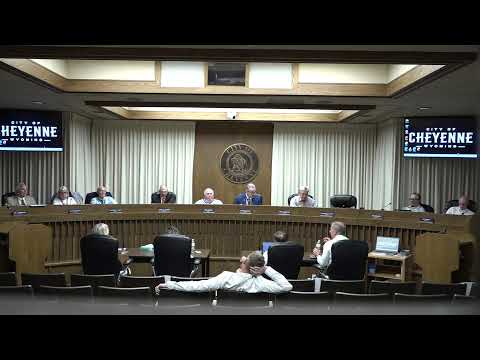
The Cheyenne City Council voted 8–1 on Tuesday to reject a proposed 12-month moratorium on new data center projects, handing a clear defeat to an ordinance framed as a pause to study local impacts. The decision comes after hours of public testimony and a debate that laid bare competing concerns over resources, jobs and the pace of tech-driven change in this western state capital.
Councilor Mark Moody was the lone supporter of the moratorium, which would have temporarily suspended permit processing and zoning changes for new data center construction while the city evaluated environmental and infrastructure effects. Opponents argued the measure would halt economic momentum and exceed the city’s capacity to complete the broad analyses it demanded.
What residents told the council
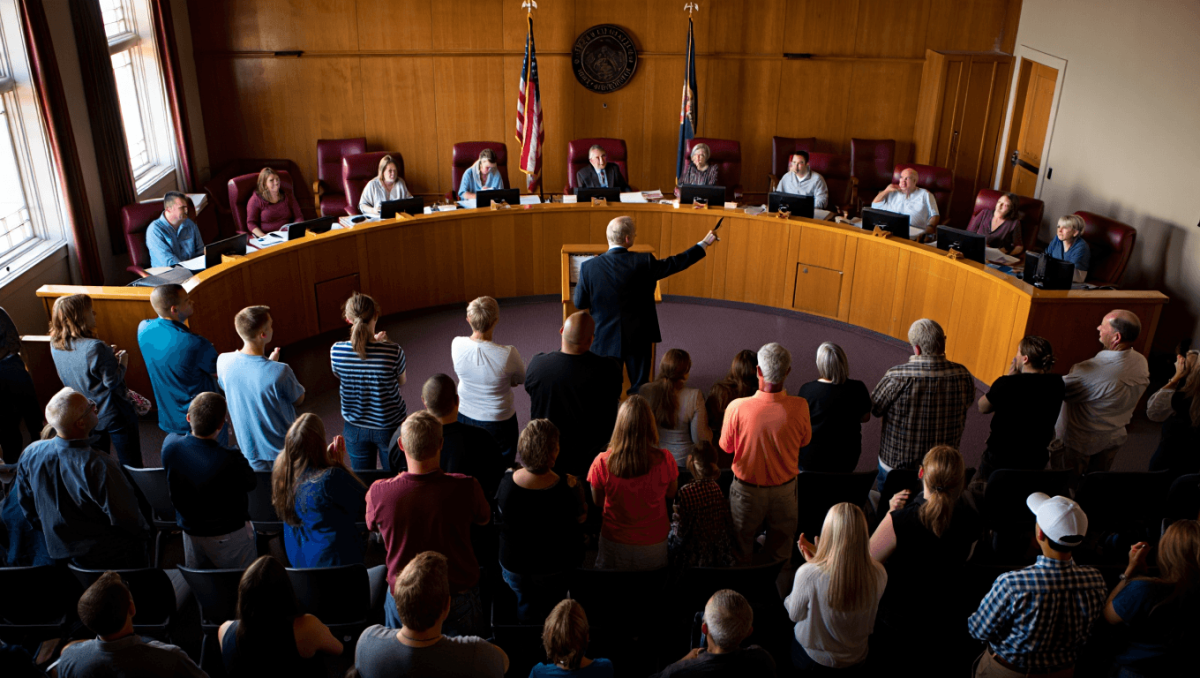
Public comment ran late into the evening, with a steady stream of speakers giving personal accounts and technical worries. Several neighbors expressed anxiety about how large-scale artificial intelligence facilities could strain Cheyenne’s utilities, especially water and electricity.
Boxing champions ditch long runs for high-intensity training: new era in fight prep
Czech nationals among victims of Pinedale-area crash: two confirmed dead
Concerns included the noise and local environmental footprint of hyperscale operations, plus questions about the safety and long-term handling of chemicals used in some cooling systems. One resident urged the council to consider community health and livability rather than treating the city like a testing ground for industrial technologies.
Labor and business voices push back
Builders, union representatives and business advocates urged rejection of the moratorium, saying a pause would jeopardize local jobs and drive skilled tradespeople to seek work elsewhere. The executive director of the Wyoming State AFL-CIO argued the workers constructing these facilities are part of the local tax base and deserve projects that follow current rules rather than an abrupt stop.
Contractors warned that an industry slowdown would not change the strategic plans of multinational companies but would harm local families who depend on construction work. Cheyenne LEADS leaders said the community already benefits from existing projects and cautioned that a blanket freeze could undo that progress.
- For the pause: Time to study potential impacts on water, the power grid, chemical use and rural land conversion.
- Against the pause: Risk of lost jobs, stalled investments and an inability of the city to complete required technical studies quickly.
- Neutral/administrative concerns: City staff capacity, budget and expertise to conduct wide-ranging environmental and grid studies.
Council reasoning and timeline details
Council members said the industry’s build cycle gives Cheyenne room to address issues without stopping new projects. Officials noted that a typical data center development can take several years from proposal to completion, and securing utility agreements—cited as taking up to two years—also slows any immediate surge in construction.
Several councilors warned that imposing a moratorium focused on a single industry could set a precedent that discourages future investment. Others argued the ordinance would have required staff to perform complex technical studies for which they lack budgeted resources or specialized expertise.
Councilor Jeff White summarized the concern: a temporary ban could send a message that the city is welcoming — until it is not. Councilor Michelle Aldrich, who counted public comments for and against the pause, said residents deserve answers but suggested those can be developed while partnerships continue.
Broader context and next steps
Cheyenne has hosted data center activity for more than a decade, giving officials and local businesses some history to assess impacts. With the moratorium defeated, the council appears ready to continue oversight within existing permitting and zoning frameworks rather than imposing a formal pause.
Expect ongoing discussions about utility planning, environmental monitoring and community engagement as the city balances growth with concerns about rural land use and infrastructure capacity. The council’s vote preserves current processes but leaves unresolved questions that residents and officials say still deserve detailed study.