
Show summary Hide summary
If you’re watching your fiber intake, the humble banana is worth a second look — but how ripe it is changes what you get. In a diet where many people fall short on fiber, choosing the right banana can make a measurable difference for fullness and gut health.
On average, a typical medium banana delivers roughly 3 grams of fiber, placing it below some fruits but still useful as a quick, portable option. Registered dietitian Lisa Valente, who practices in Vermont, notes that while bananas aren’t the top fiber champions, they supply a mix of fibers and are easy to add to everyday meals.
What’s inside a banana
Bananas contain both soluble and insoluble fiber, which play different roles: soluble fiber can help moderate blood sugar and support heart health, while insoluble fiber aids digestion and bowel regularity. Green bananas also contain resistant starch, a form of prebiotic fiber that feeds beneficial gut microbes and helps produce short‑chain fatty acids linked to reduced inflammation.
Boxing champions ditch long runs for high-intensity training: new era in fight prep
Czech nationals among victims of Pinedale-area crash: two confirmed dead
Those distinctions matter because not all fiber behaves the same in the body; mixing different fiber types supports a more diverse microbiome and steadier digestion.
Ripeness and fiber: the practical difference
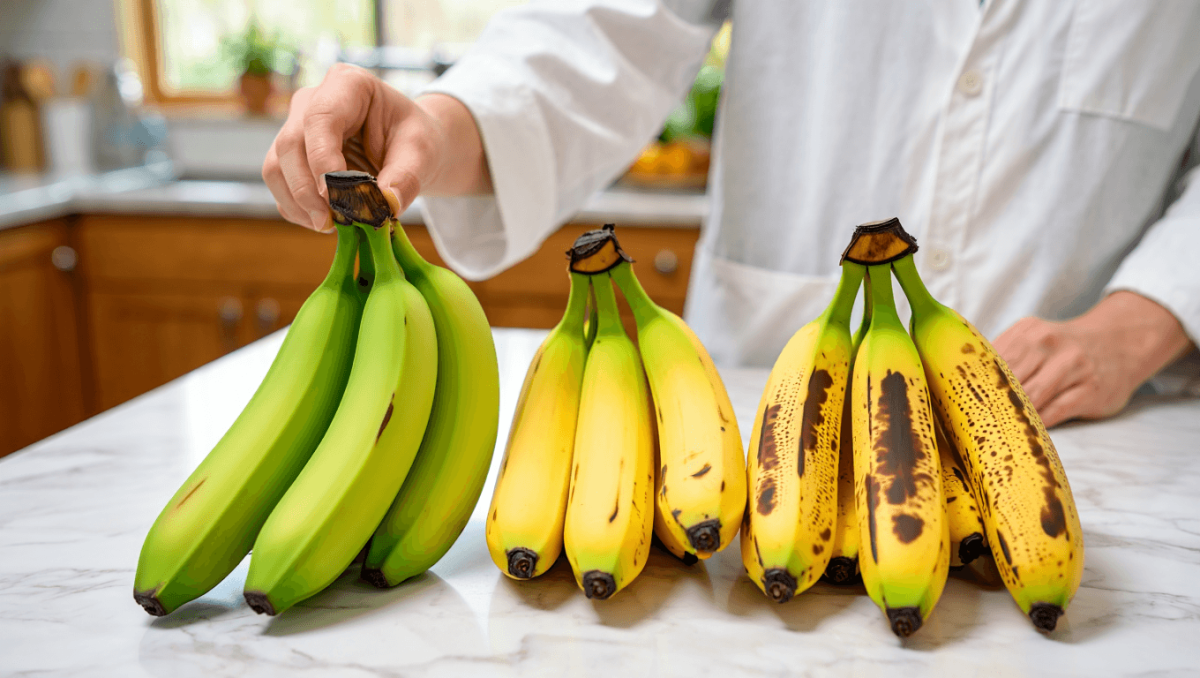
Color is a simple indicator. As bananas ripen, some of the resistant starch converts to sugars, which lowers the fiber contribution. Very ripe bananas tend to be sweeter and softer but provide less of the resistant starch found in greener fruit.
Rough comparisons nutrition professionals cite:
- Medium ripe banana: about 3 grams of fiber
- Greener banana: can contain closer to 6 grams of fiber (more resistant starch)
- Overripe banana: fiber content may drop to around 2 grams
- Apple (medium): roughly 4 grams of fiber
- Raspberries (1 cup): about 8 grams of fiber
Simple ways to maximize fiber from bananas
You don’t have to eat an unripe banana to boost fiber intake. Combining bananas with other high‑fiber ingredients or shifting when and how you eat them is often enough to increase the total fiber in a snack or meal.
- Pick a slightly underripe banana if you want more resistant starch and less sugar.
- Blend bananas into smoothies with rolled oats and chia or ground flaxseed for extra fiber and omega‑3s.
- Top whole‑grain toast with mashed banana, nut butter and a scatter of seeds to add both soluble and insoluble fiber.
- Stir banana into plain yogurt with berries for a fiber-rich breakfast or snack.
- Use mashed banana as a binder in baked goods along with whole‑grain flour, nuts or dried fruit to retain fiber in recipes.
More reasons to keep bananas in rotation
Bananas are commonly called “sugary,” but their natural sugars don’t make them inherently unhealthy for most people. Outside of specific medical conditions like diabetes, the fruit’s carbohydrate content is balanced by fiber and other nutrients.
They’re also inexpensive, shelf‑stable for short periods, and versatile: eaten raw, blended, or baked, bananas are a convenient way to add calories, potassium, vitamin B6 and modest fiber to the diet.
For those focused on gut health and steady energy, the takeaway is straightforward: bananas are a useful part of a higher‑fiber eating pattern, especially when you pay attention to ripeness and pair them with other fiber sources.